
 Study shows time needed for South Africans to afford official Bafana Bafana jersey
KillBait - News highlights delivered clearly and responsibly—no clickbait, no sensationalism

Photo: IOL
2026-06-01 06:43 Economy 10 


Fuel price pressures and rising interest rates raise fairness and mental health challenges for South African employers
South African employers are facing growing pressure as rising fuel costs and higher borrowing rates from the South African Reserve Bank place additional strain on households and the broader economy.
The combined effect of fuel-driven inflation and increased financial costs is expected to heighten stress and anxiety levels among employees, with potential consequences for workplace performance and wellbeing.
The article highlights that organisations may once again consider flexible or hybrid working arrangements as a short-term response to economic pressure, similar to adaptations made during the Covid-19 pandemic.However, it stresses that remote work is not a universal solution in South Africa due to significant socioeconomic inequalities.
Many employees lack reliable internet access, appropriate home workspaces, or sufficient resources, which creates an uneven ability to benefit from working from home.Employers may also consider introducing emergency support measures such as allowances or targeted relief to help staff manage rising costs.
However, the article warns that without clear, consistent and objective criteria, such interventions could expose companies to legal risks, including claims of unfair labour practice or discrimination.Transparency and fairness in policy design are therefore essential.In addition, there is increasing recognition in South African labour law of the importance of psychological wellbeing in the workplace.Employers are expected to take reasonable steps to identify and reduce foreseeable risks to mental health.Unmanaged stress can lead to reduced productivity, absenteeism, strained workplace relationships, and formal grievances.
The article concludes that organisations best positioned to manage these pressures will be those that adopt structured, equitable and legally defensible approaches while embedding employee wellbeing into workplace policies and risk management frameworks, drawing on lessons learned during the pandemic.
2191
Original title: Rising fuel crisis: Fairness and mental health risks may emerge for employers
The AI system has determined that this news is not clickbait/sensationalist: : The headline is descriptive and fact-based, outlining the topic (fuel crisis) and its workplace implications without sensational wording or exaggerated claims, so it is not clickbait. This has coincided with the opinion of the majority of users.
You may also be interested in...
Study shows time needed for South Africans to afford official Bafana Bafana jersey
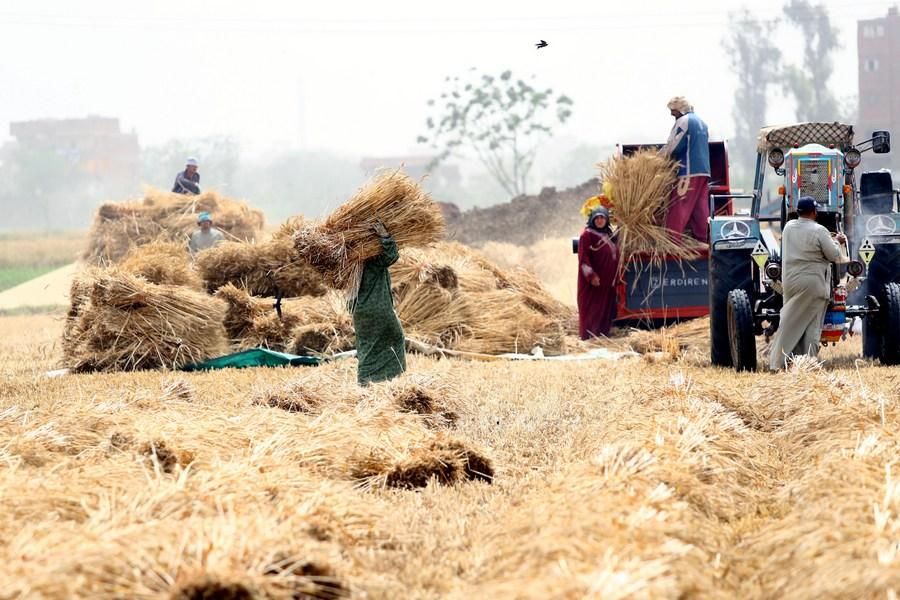 South African Farmers Face Increased Costs Amid Interest Rate Hike and Inflation
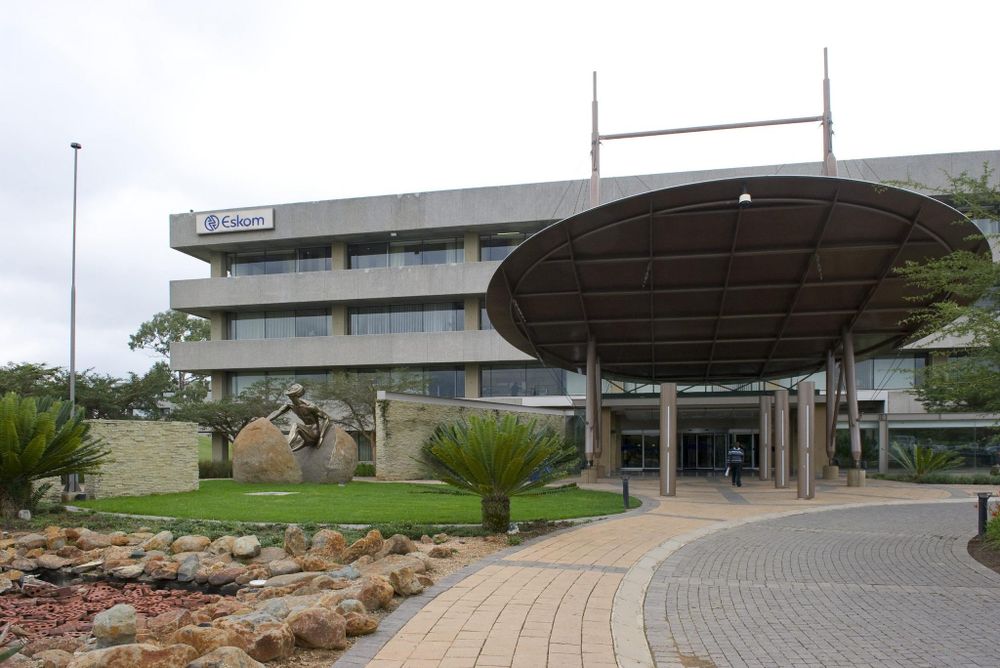 Cederberg Municipality secures additional Eskom debt relief as part of ongoing arrears reduction programme