
 Pacific Fusion advances pulser module prototype toward demonstration fusion power plant
KillBait - News highlights delivered clearly and responsibly—no clickbait, no sensationalism
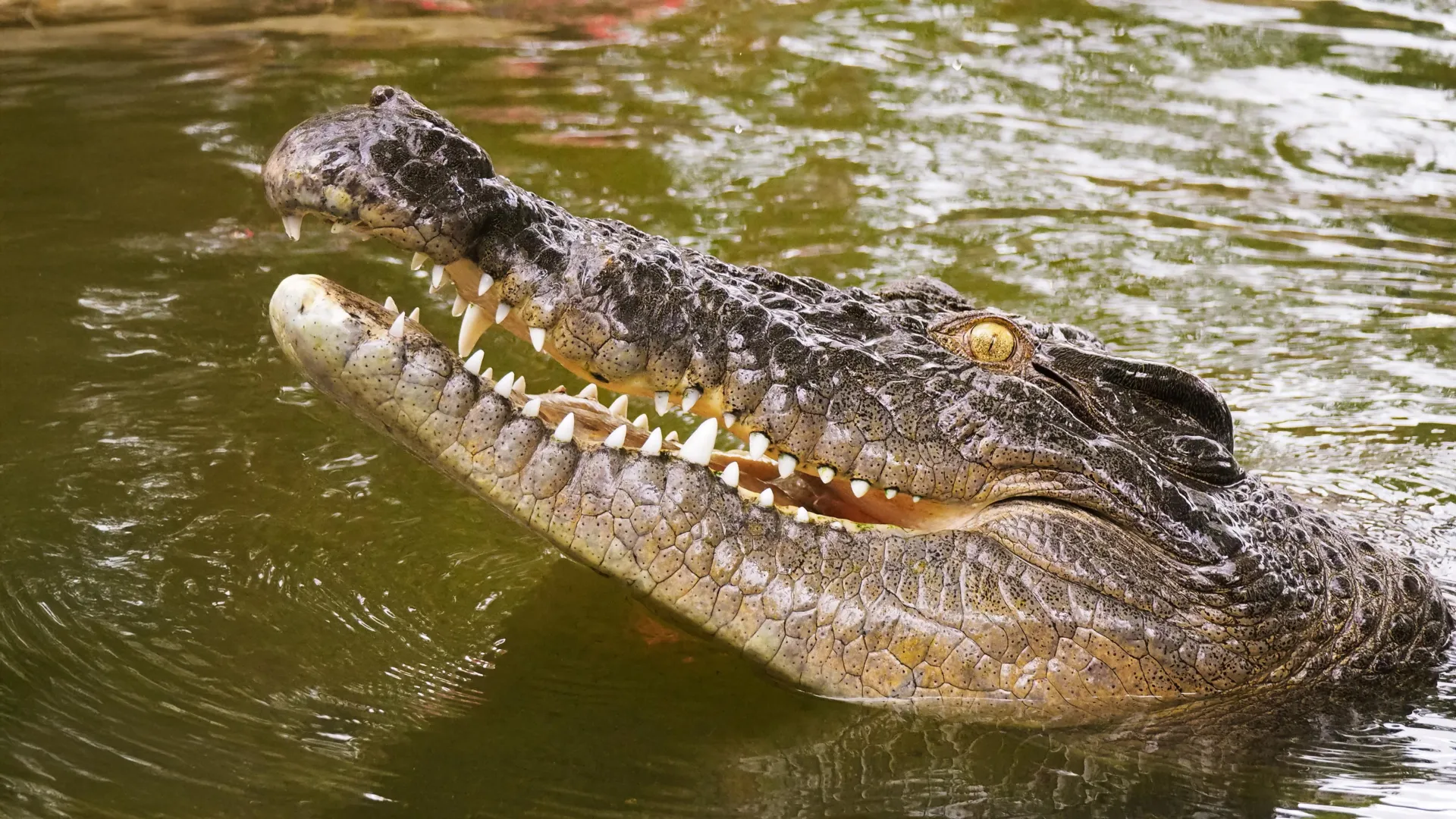
Photo: ScienceDaily
2026-05-29 00:10 Science 13 


Genetic Study Identifies Extinct Seychelles Crocodiles as Isolated Saltwater Crocodile Population
Scientists have resolved a long-standing mystery surrounding the crocodiles that once lived in the Seychelles Islands.Historical accounts from early European explorers described crocodiles as common across the archipelago, but the animals disappeared shortly after permanent human settlement began in 1770.
Within about five decades, the local population had been exterminated, leaving researchers uncertain about their true identity for more than 250 years.A new genetic study conducted by researchers from Germany and the Seychelles has now shown that these crocodiles were not a unique species.Instead, they were an isolated population of saltwater crocodiles, scientifically known as Crocodylus porosus.The researchers analyzed mitochondrial DNA from preserved museum specimens alongside genetic material from modern crocodile populations.Their findings confirmed earlier assumptions based on anatomy and physical characteristics.
The study demonstrated that the Seychelles crocodiles were closely related to saltwater crocodiles found thousands of kilometers away across the Indo-Pacific region.
Saltwater crocodiles are uniquely adapted for long-distance ocean travel because specialized salt glands allow them to survive in seawater for extended periods.
Scientists believe the ancestors of the Seychelles population drifted across at least 3,000 kilometers of the Indian Ocean, likely aided by ocean currents over many generations.The research also suggests that saltwater crocodile populations historically maintained genetic connections across vast distances.
According to the study, the species once occupied an even broader geographic range than today, stretching from the Pacific islands of Vanuatu to the Seychelles in the western Indian Ocean.The findings provide new insight into the mobility, dispersal ability, and evolutionary history of one of the world’s largest living reptiles.
2241
Original title: DNA solves 250-year-old mystery of the Seychelles’ lost crocodiles
The AI system has determined that this news is not clickbait/sensationalist: : The original title accurately reflects the main scientific finding of the study without exaggeration or misleading language. While it is attention-grabbing, it remains factual and directly connected to the research content. This has coincided with the opinion of the majority of users.
You may also be interested in...
Pacific Fusion advances pulser module prototype toward demonstration fusion power plant
 U.S. Air Force program advances next-generation ceramic materials for aerospace and defense applications
 Solar-Powered Desalination Produces Drinking Water and Recovers Valuable Minerals