
 Cybersecurity flaws and exam irregularities shake India’s national entrance and school assessment systems
KillBait - News highlights delivered clearly and responsibly—no clickbait, no sensationalism
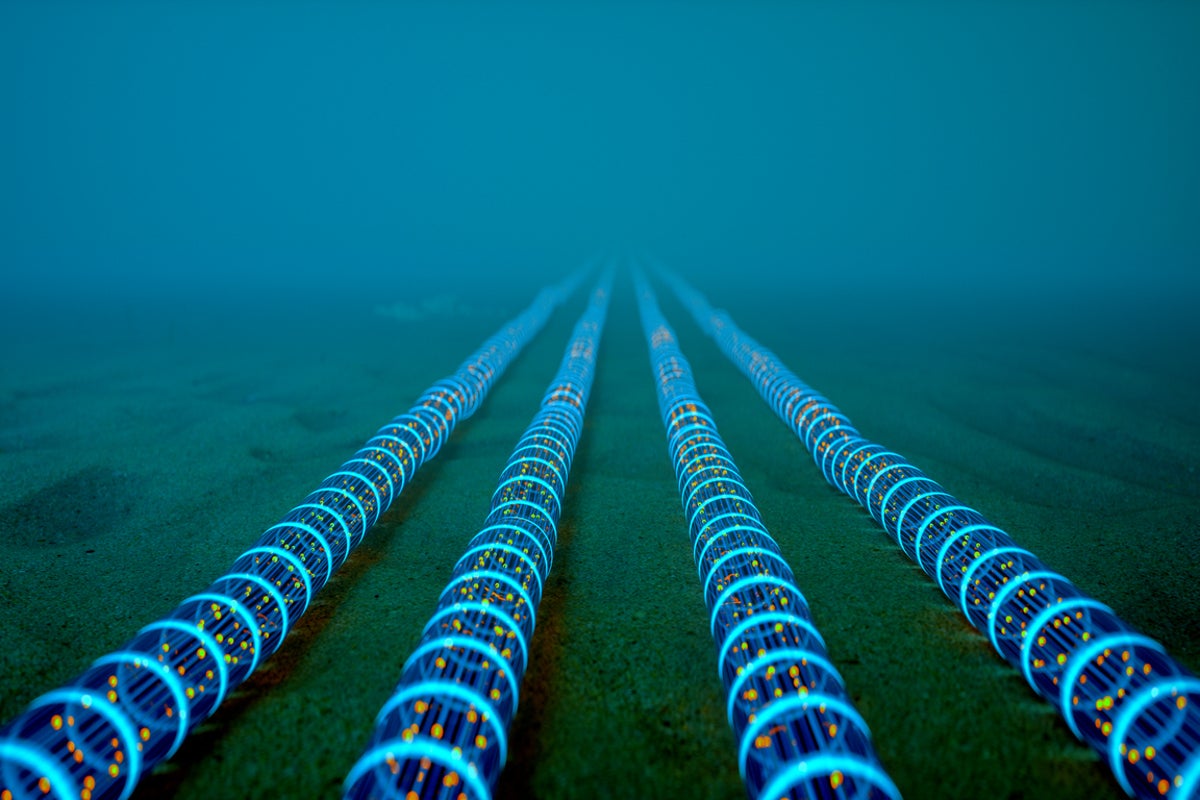
Photo: The Independent
2026-05-31 17:26 Technology 17 


Geopolitical tensions highlight vulnerabilities in global undersea internet cable infrastructure
The article examines growing concerns over the vulnerability of the world’s undersea internet cable network amid escalating geopolitical tensions, particularly in the Middle East.Undersea cables carry more than 99 per cent of global digital data, underpinning banking, communications, and essential services.
However, recent conflicts and strategic rivalries have highlighted how exposed these critical infrastructures are to both deliberate sabotage and accidental damage.
Tensions in the Strait of Hormuz have raised fears that Iran could target or impose restrictions on submarine cables passing through this key chokepoint.
Elsewhere, the Red Sea has already experienced disruptions, including incidents in which cables were severed following maritime attacks and anchor drags, significantly affecting data traffic between Europe and Asia.
Similar concerns have been raised in other regions, including alleged Russian naval activity near UK waters and accusations from Taiwan that China has interfered with undersea infrastructure.
Experts cited in the article emphasise that while internet traffic can be rerouted, such incidents can still lead to slower speeds, service instability, and disruption to financial transactions and public services.
The concentration of cables along specific maritime corridors increases systemic risk, meaning that damage in one region can have disproportionate global effects.
Efforts to improve resilience include diversifying routes, combining submarine cables with terrestrial infrastructure, and exploring satellite-based alternatives.
However, specialists caution that satellite systems, including low-Earth-orbit networks, cannot currently match the capacity, speed, or cost-effectiveness of fibre-optic submarine cables.
NATO-backed initiatives are also exploring ways to strengthen digital infrastructure resilience, but experts agree that no single solution can fully replace existing undersea networks.
The piece concludes that safeguarding global connectivity will require a diversified, multi-layered approach rather than reliance on any single technology or route.
Full reading at The Independent
2300
Original title: As Iran war threatens undersea cables in the Strait of Hormuz, is it time to rethink the internet?
The AI system has determined that this news is not clickbait/sensationalist: : The original title is framed as a rhetorical question but remains informational and directly reflects the article’s subject matter rather than using sensational or misleading language. This has coincided with the opinion of the majority of users.
You may also be interested in...
Cybersecurity flaws and exam irregularities shake India’s national entrance and school assessment systems
 Olivia Rodrigo announced as surprise performer at Primavera Sound Barcelona
 Harriet Sperling and Peter Phillips wed in intimate ceremony attended by senior royals