
 Blue Origin rocket experiences explosion during launch pad engine-firing test
KillBait - News highlights delivered clearly and responsibly—no clickbait, no sensationalism
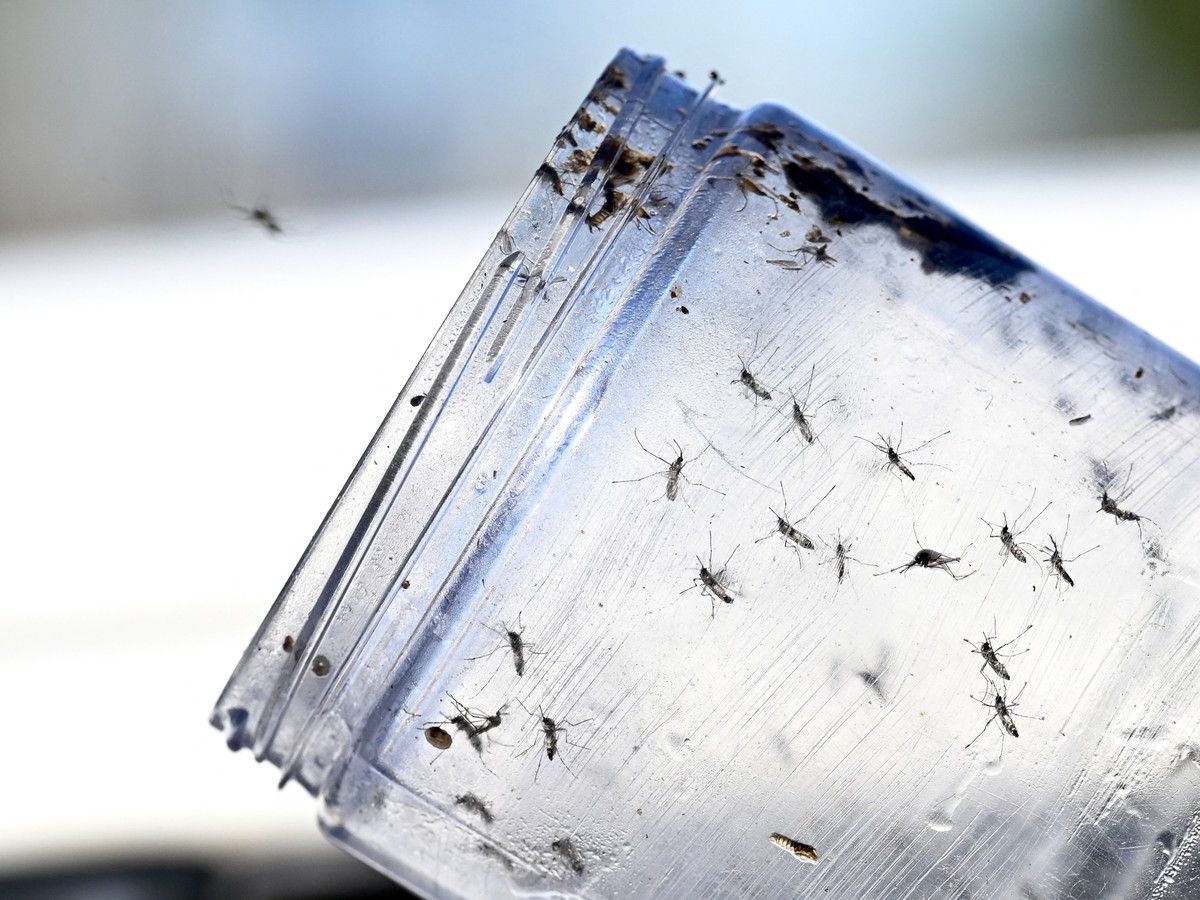
Photo: nationalpost
2026-06-02 22:05 Science 10 


Google Seeks EPA Approval to Release Sterile Male Mosquitoes in California and Florida to Reduce Disease-Carrying Populations
Google is seeking approval from the U.S.Environmental Protection Agency (EPA) to release up to 32 million sterile male mosquitoes over the next two years in California and Florida as part of its Debug Project.
The initiative aims to reduce populations of Aedes aegypti mosquitoes, a species known for spreading diseases such as dengue, Zika, yellow fever, and chikungunya.
According to the project team, traditional mosquito-control methods, including pesticides, are becoming less effective and can have environmental drawbacks, creating a need for alternative approaches.The project relies on releasing male mosquitoes that carry a naturally occurring bacterium called Wolbachia.When these males mate with wild females, the eggs do not develop successfully, leading to a gradual decline in the target mosquito population.The developers emphasize that only male mosquitoes would be released, and male mosquitoes do not bite humans or transmit diseases.They also state that the method does not involve genetic modification, toxic chemicals, or pesticides.
The EPA is currently reviewing Google's application for an experimental-use permit and is expected to make a decision after a public comment period.
The initiative originated in 2016 under Verily, a life-sciences company owned by Alphabet, Google's parent company, before Google assumed control of the project in 2024.Supporters argue that the approach could help reduce the global burden of mosquito-borne illnesses and improve public health outcomes.However, some researchers have expressed concerns about possible ecological consequences.
They note that mosquitoes serve as a food source for many animals, including birds, bats, fish, amphibians, and reptiles, and warn that suppressing one mosquito species could allow other disease-carrying species to expand into the same ecological niche.
2186
Original title: Why does Google want U.S. government approval to release 32 million ‘good’ mosquitoes? Here’s what we know
The AI system has determined that this news is clickbait/sensationalist: : The title uses the unusual phrase 'good mosquitoes' and frames the story as a mystery ('Here's what we know'), which is designed to attract curiosity and clicks. However, it still accurately reflects the central topic of the article. This has coincided with the opinion of the majority of users.
You may also be interested in...
Blue Origin rocket experiences explosion during launch pad engine-firing test
 Study suggests pigeons may use liver-based cells to detect Earth’s magnetic field for navigation
 Audience at Toronto Synagogue Highlights Omissions in Prime Minister Carney's Speech on Antisemitism