
 Waterloo EV Challenge gives Ontario high school students hands-on electric vehicle engineering experience
KillBait - News highlights delivered clearly and responsibly—no clickbait, no sensationalism
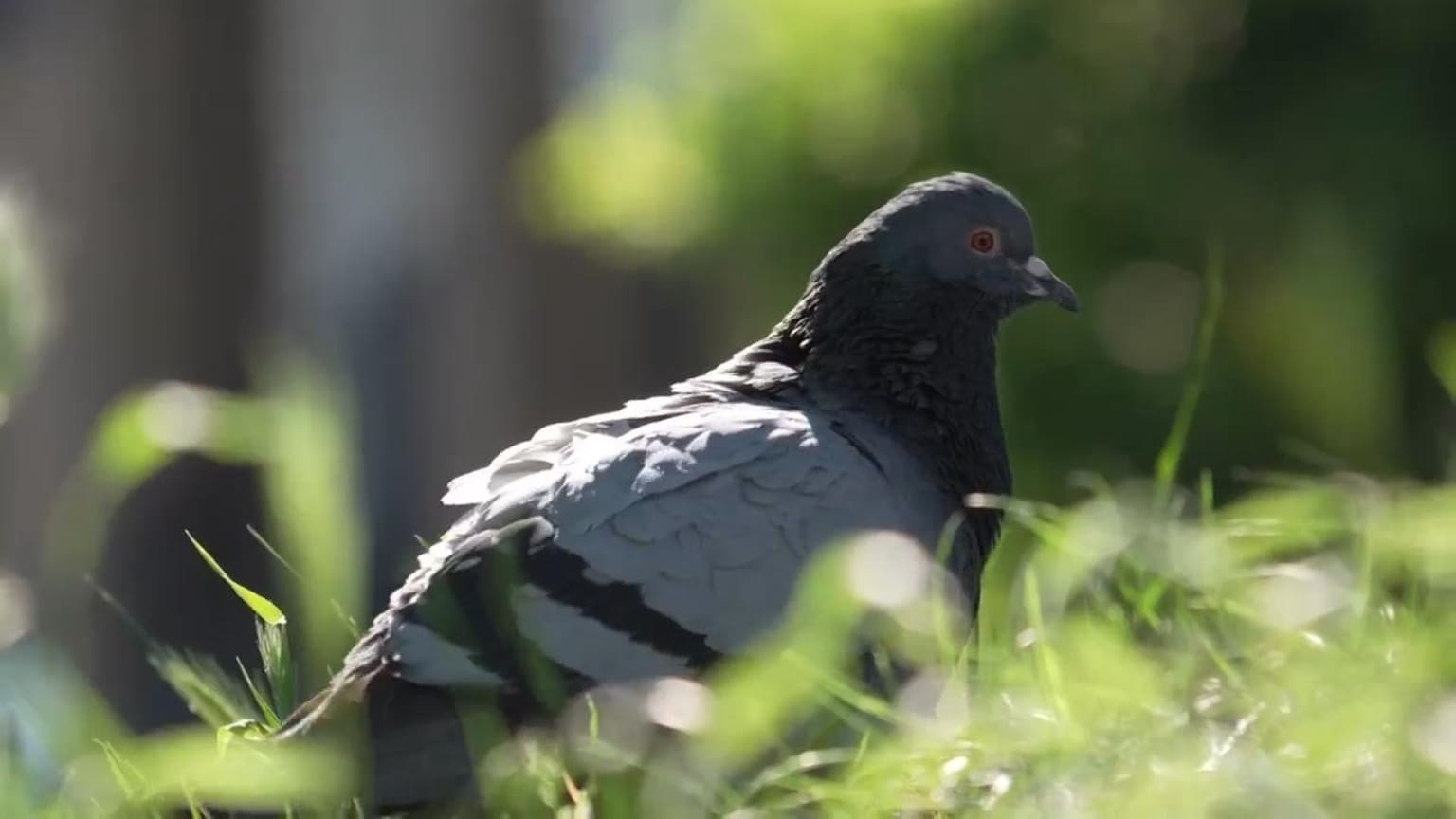
Photo: The Globe and Mail
2026-05-29 15:44 Science 10 


Study suggests pigeons may use liver-based cells to detect Earth’s magnetic field for navigation
Scientists are moving closer to understanding how homing pigeons are able to navigate long distances and consistently return to their home locations.According to new research reported by The Associated Press, pigeons may rely on iron-rich immune cells located in their liver to sense Earth’s magnetic field, potentially providing them with an internal biological navigation system.
This discovery adds a new layer to the long-standing scientific mystery of avian navigation, which has traditionally been attributed to a combination of visual landmarks, the sun’s position, and magnetic field detection in the brain or beak.
The study suggests that these specialised cells could act as a form of biological compass, helping pigeons detect subtle variations in Earth’s magnetic field.
This capability, known as magnetoreception, has been observed in several animal species, but the exact biological mechanisms remain only partially understood.Researchers believe that iron-rich immune cells in the liver might respond to magnetic forces, sending signals that help guide pigeons during flight.While the findings are still preliminary, they offer a promising direction for future research into animal navigation systems.
Scientists emphasise that more experimental evidence is needed to confirm how these liver cells interact with the nervous system and whether they directly influence orientation behaviour.If validated, this mechanism could reshape understanding of migration and homing behaviours in birds and potentially other species.For now, the study represents an intriguing step forward in decoding one of nature’s most remarkable navigation abilities.
Full reading at The Globe and Mail
2187
Original title: Pigeons may be navigating with their liver, study suggests
The AI system has determined that this news is not clickbait/sensationalist: : The original title is descriptive and cautious, using 'may be' and 'study suggests,' which appropriately reflects scientific uncertainty without exaggeration or sensationalism. This has coincided with the opinion of the majority of users.
You may also be interested in...
Waterloo EV Challenge gives Ontario high school students hands-on electric vehicle engineering experience
 More than 1,000 Alberta students take part in APEGA Science Olympics in Calgary
 Canada ranks 19th in updated global country rankings, just behind the United States