
 Canadian Pharma Task Force Recommends Streamlining Regulatory Reviews and Boosting Health Data Infrastructure
KillBait - News highlights delivered clearly and responsibly—no clickbait, no sensationalism
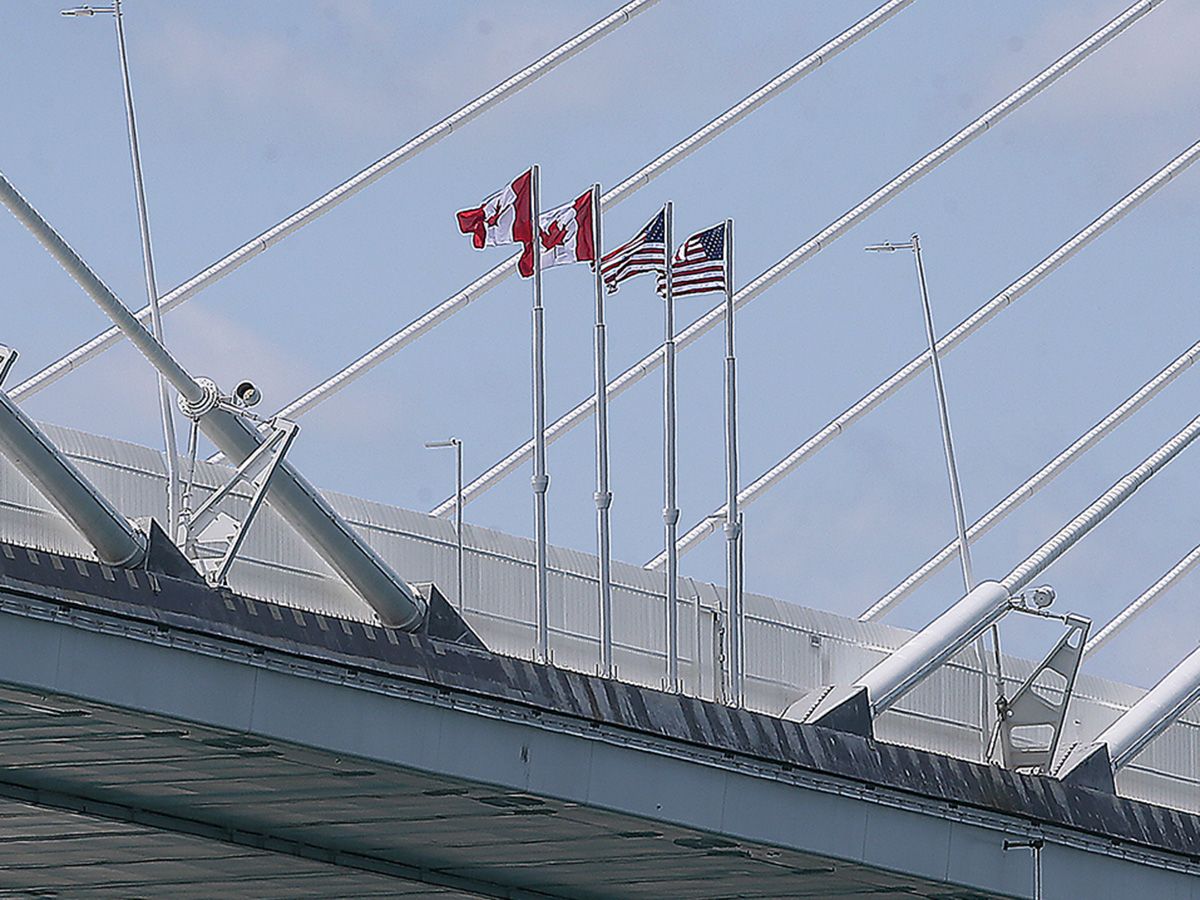
Photo: nationalpost
2026-07-25 23:31 Economy 10


Gordie Howe Bridge Faces Revenue Challenges Amid Toll Disparities and Operational Costs
The Gordie Howe bridge faces significant financial challenges due to its toll structure, which is less competitive compared to the Ambassador Bridge.While the Ambassador Bridge offers duty-free fuel and goods, attracting commercial truckers seeking cost savings, the Gordie Howe lacks these incentives, reducing its revenue potential.Despite a $1.
9 billion investment over 30 years by the Windsor-Detroit Bridge Authority (WDBA), operating costs are estimated to exceed toll revenues by nearly double, leaving little room for profit.The bridge’s base tolls for commercial vehicles are higher than those at the Ambassador Bridge, further complicating its financial viability.
While proponents argue the bridge provides economic and security benefits, including critical support for the auto industry, its long-term profitability remains uncertain.
Critics suggest that without significant traffic shifts or cost reductions, the bridge may struggle to cover operational expenses, raising questions about its sustainability as a public infrastructure project.
2186
Original title: Why the Gordie Howe International Bridge was ‘a bad deal for Canada from the start’
The AI system has determined that this news is clickbait/sensationalist: : The original title uses hyperbolic language like 'big money maker' and emphasizes duty-free goods as a key factor, which may sensationalize the topic to attract clicks rather than provide balanced analysis. This has coincided with the opinion of the majority of users.
You may also be interested in...
Canadian Pharma Task Force Recommends Streamlining Regulatory Reviews and Boosting Health Data Infrastructure
 New Home Prices Rise in Key Provinces as Market Stabilizes
 Wall Street Navigates Fed Policy and Tech Earnings Amid Market Volatility