
 Government confidentiality claim could restrict royal commission's review of counter-terrorism funding decisions before Bondi attack
KillBait - News highlights delivered clearly and responsibly—no clickbait, no sensationalism
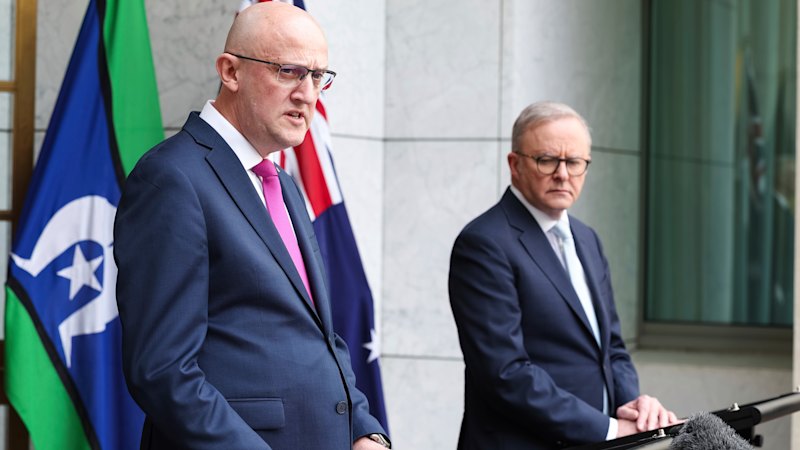
Photo: The Age
2026-05-28 16:20 Politics 11 


Government seeks to limit royal commission access to counter-terrorism documents amid public interest immunity claims
Prime Minister Anthony Albanese’s department has confirmed it has sought to restrict access to sensitive counter-terrorism material being examined by the Royal Commission into Antisemitism and Social Cohesion.
The issue centres on whether intelligence agencies were directed to reduce counter-terrorism resources in the lead-up to the Bondi massacre, a matter now under scrutiny by royal commissioner Virginia Bell.
At Senate estimates hearings, ASIO officials stated they were not involved in attempts to block the commission from accessing relevant documents, including classified material and a cabinet memorandum.
Their evidence supported written statements from ASIO Director-General Mike Burgess, who indicated the Commonwealth had made several public interest immunity (PII) claims to prevent disclosure of sensitive documents.These claims would restrict access not only for the public but potentially for the royal commission itself.
Environment Minister Murray Watt confirmed that the Department of the Prime Minister and Cabinet lodged a PII claim on advice to protect cabinet confidentiality.He stressed that while such claims can be made by the Commonwealth, the final decision rests with the royal commissioner.Officials argued that protecting cabinet deliberations is a long-standing principle in Australian governance.Opposition senators criticised the move, suggesting it could be used to avoid political embarrassment and calling for greater transparency.Meanwhile, ASIO officials clarified that they had not sought to initiate PII claims relating to cabinet discussions.
Attorney-General Michelle Rowland noted the sensitivity of the material but did not provide further detail on who specifically requested the restrictions.
The commission’s interim findings previously noted a decline in counter-terrorism funding across intelligence agencies between 2020 and 2025, despite overall increases in national security spending.However, the government has resisted drawing conclusions about any resulting security deficiencies.
ASIO leadership has argued that its focus has shifted towards foreign interference and espionage since 2022, reflecting changing national security priorities.
2206
Original title: Government confirms bid to hide counter-terror details from royal commission
The AI system has determined that this news is not clickbait/sensationalist: : The original headline is factual and directly describes the government’s action regarding restrictions on counter-terrorism information. It does not use exaggerated language, emotional framing, or misleading sensationalism, and accurately reflects the subject matter of the article. This has coincided with the opinion of the majority of users.
You may also be interested in...
Government confidentiality claim could restrict royal commission's review of counter-terrorism funding decisions before Bondi attack
 Labor pushes ahead with tax overhaul despite business backlash
 Calls for a Reset of the NACC Following Commissioner Resignation and Operational Concerns