
 Tanzania Boosts Maritime Trade with New Cargo Ships
KillBait - News highlights delivered clearly and responsibly—no clickbait, no sensationalism

Photo: Tanzania Insight
2026-07-21 22:31 Economy 10


Graduate Unemployment and the Informal Sector Crisis in Tanzania
A growing number of university graduates in Tanzania are struggling to find formal employment, leading many to take up informal street-based work to survive as the job market tightens.
This trend highlights a mismatch between educational outcomes and available opportunities, with graduates facing intense competition for limited positions.Employers often require years of experience for entry-level roles, leaving fresh graduates at a disadvantage.
The informal economy, including street vending and motorcycle taxi services, has become a default option for thousands, despite these roles rarely utilizing their qualifications.This situation represents a significant waste of human capital and educational investment.Families who sacrificed to fund higher education now face disappointment as graduates end up in low-skilled work.Structural challenges like limited industrialization and slow private sector growth exacerbate the problem.Experts suggest curriculum reforms and industrial policies to create formal sector jobs.The crisis carries risks of social frustration, brain drain, and reduced economic growth.Government initiatives have been proposed, but critics argue they lack scale to address the issue effectively.
Full reading at Tanzania Insight
2186
Original title: Prime Minister Takes Governance to the Streets
The AI system has determined that this news is clickbait/sensationalist: : The original title uses dramatic phrasing like 'Takes Governance to the Streets' which sensationalizes the issue rather than focusing on the core problem of graduate unemployment. This has coincided with the opinion of the majority of users.
You may also be interested in...
Tanzania Boosts Maritime Trade with New Cargo Ships
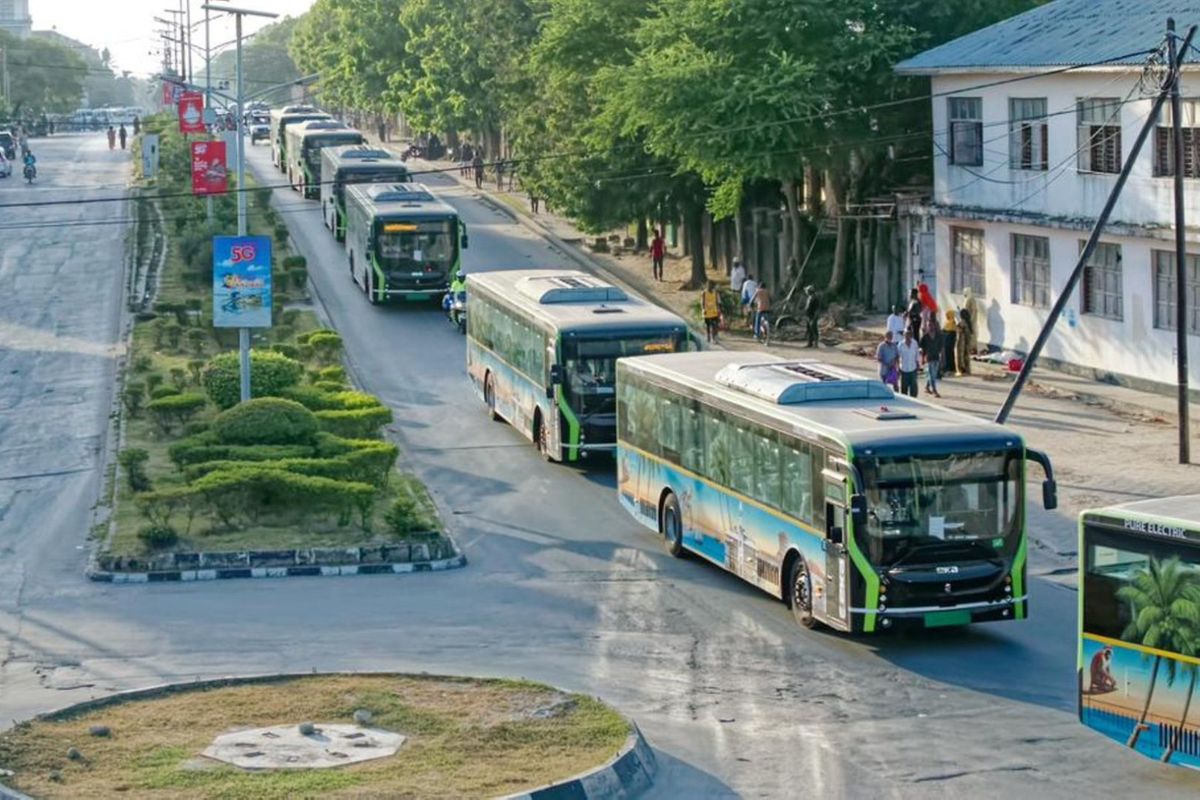 Zanzibar raises daladala fares amid rising operating costs and electric bus rollout
 Tanzania's agriculture struggles with slow growth and low productivity