
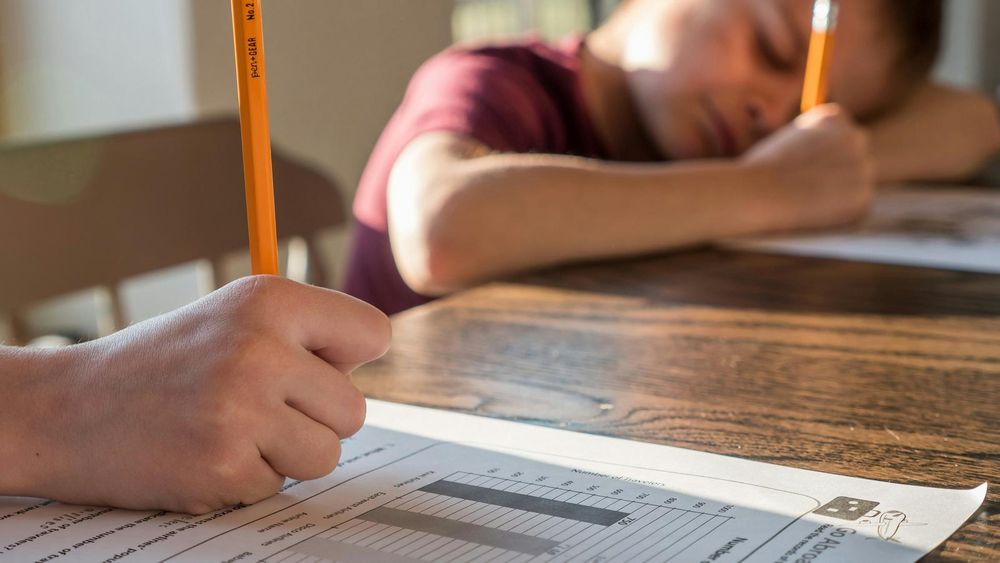
 Government to Regulate Home and Online Education in South Africa
KillBait - News highlights delivered clearly and responsibly—no clickbait, no sensationalism
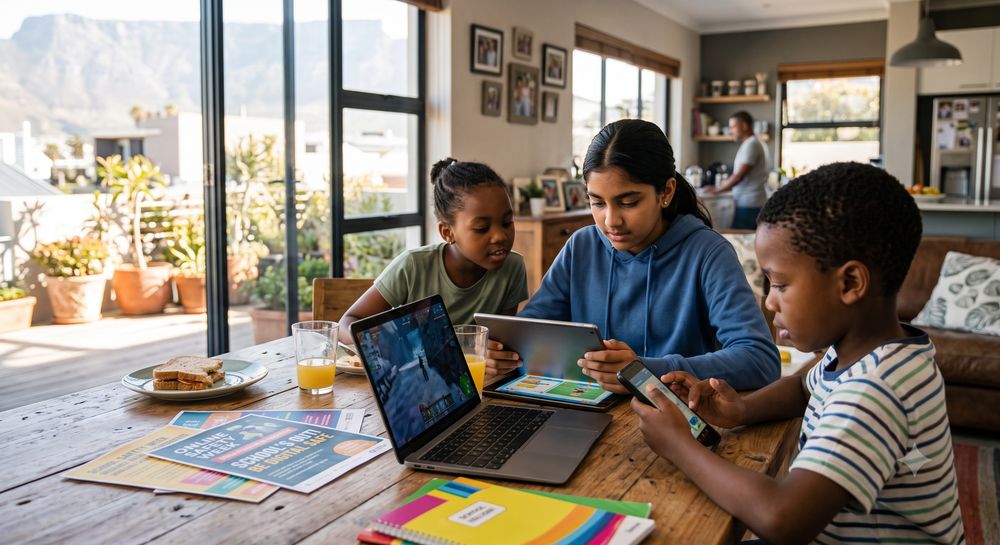
Photo: IOL
2026-07-15 02:45 Current affairs 10


Guiding Children's Online Safety During School Holidays: Tips for Parents
With school holidays underway, South African parents face the challenge of keeping children safe both physically and digitally.UNICEF research highlights that over 95% of children have internet access but only 41% receive online safety education.Over half of young people add strangers to their online networks, increasing vulnerability to scams and exploitation.Digital banking fraud has surged, driven by social engineering rather than technical hacking.
Parents are urged to teach children to verify websites (check for 'https' and padlock icons), avoid sharing financial details, and use secure payment methods like virtual credit cards.
Age-specific guidance is recommended: younger children should understand digital money's value, tweens need privacy protection skills, and teens should learn about credit and contracts.Parental modeling of responsible online behavior is crucial, alongside immediate reporting of suspected fraud to authorities.The article emphasizes equipping children with essential digital literacy to navigate the internet safely.
2186
Original title: Keeping children safe online during the school holidays
The AI system has determined that this news is not clickbait/sensationalist: : The original title is factual and straightforward, focusing on a practical parental concern without sensationalist language or exaggerated claims. This has coincided with the opinion of the majority of users.
You may also be interested in...
Government to Regulate Home and Online Education in South Africa
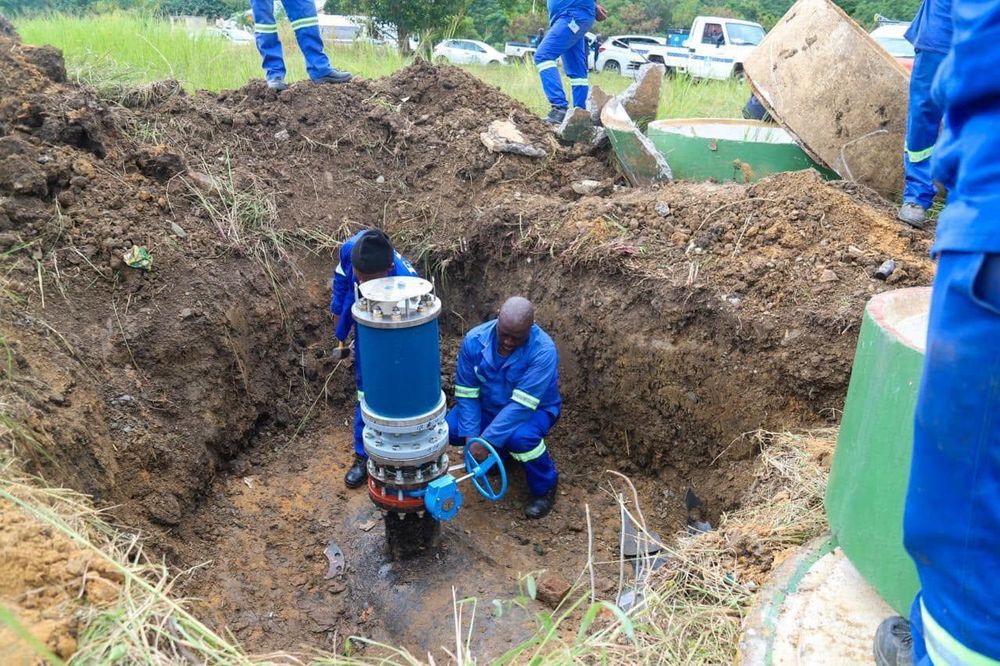 Northern Aqueduct Temporary Shutdown for Essential Repairs Affects Multiple Areas
 Multi-country African news updates on security operations, migration policies, diplomatic relations and corruption cases