
 Study shows sugary drink tax in Egypt could cut disease and save healthcare costs
KillBait - News highlights delivered clearly and responsibly—no clickbait, no sensationalism
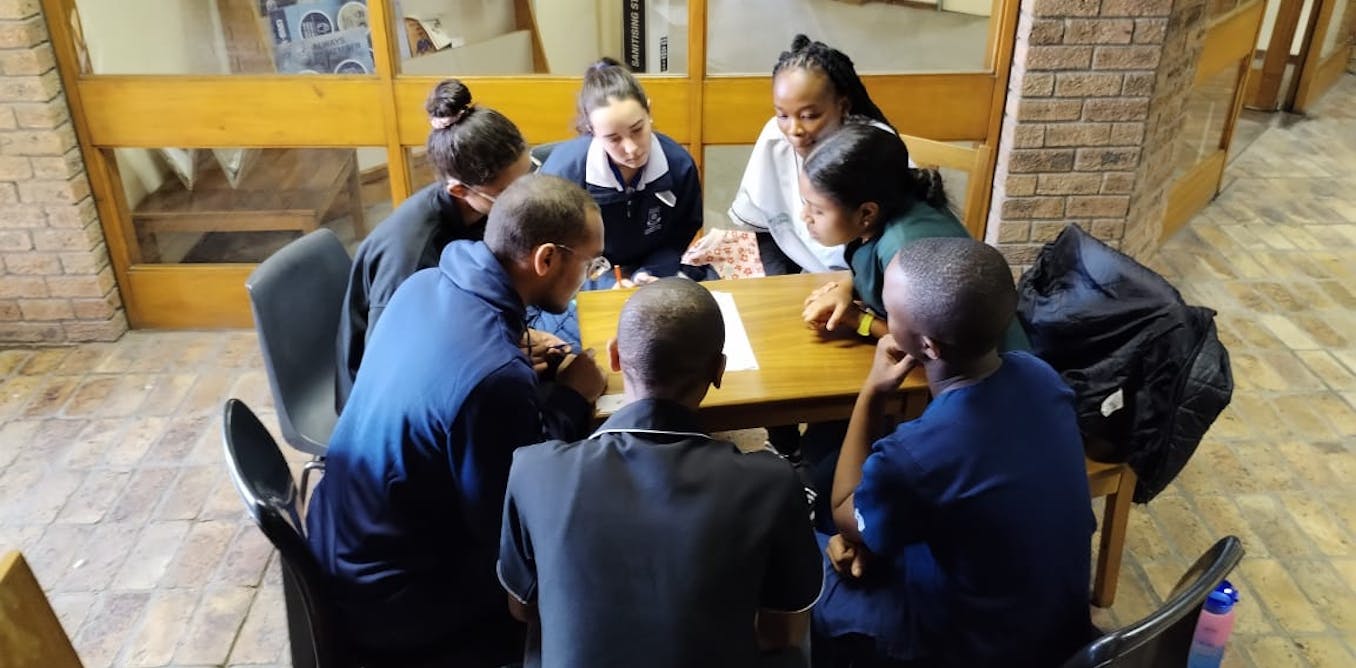
Photo: The Conversation
2026-07-23 20:08 Health 10


Healthcare Training in Africa Must Embrace Family and Community Involvement
The article discusses how healthcare professional training in Africa often relies on Western models that prioritize individualism, which may not align with local practices where family and community play central roles.
It highlights the need to adapt training programs using principles like ubuntu (a philosophy emphasizing interconnectedness) to better serve African contexts.The author argues that current frameworks fail to address cultural nuances, such as the importance of familial support in patient care.By integrating indigenous values, education systems can create more effective healthcare solutions.This approach not only improves outcomes but also respects local traditions, fostering trust between communities and providers.The piece calls for rethinking global health strategies to be more inclusive of regional realities.
Full reading at The Conversation
2186
Original title: Healthcare in Africa involves families and communities: training of professionals should reflect this
The AI system has determined that this news is not clickbait/sensationalist: : The original title is straightforward and informative, avoiding sensationalism. This has coincided with the opinion of the majority of users.
You may also be interested in...
Study shows sugary drink tax in Egypt could cut disease and save healthcare costs
 Kwara’s Healthcare Transformation Under Governor AbdulRazaq
 Nigeria's Mental Health Crisis: Tied to Economic and Social Challenges