
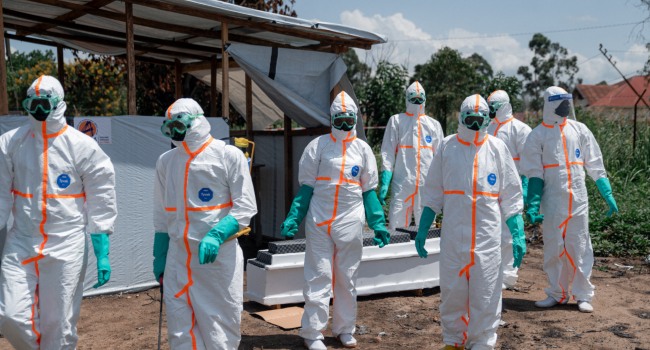
 Ebola Outbreak in DRC and Uganda Claims Over 1,000 Lives, WHO Reports
KillBait - News highlights delivered clearly and responsibly—no clickbait, no sensationalism

Photo: Premium Times Nigeria
2026-07-22 23:57 Health 10


Nigeria's Mental Health Crisis: Tied to Economic and Social Challenges
The article highlights the growing mental health crisis in Nigeria, linking it to deep-rooted economic struggles, social inequalities, and systemic neglect.It emphasizes that mental health is not just a healthcare issue but a societal problem requiring urgent government and private sector action.
The piece reveals that Nigeria's budget allocates only 6% to healthcare, with less than 5% dedicated to mental health, leaving millions without access to affordable care.
It also underscores how cultural stigma, familial conflicts, and poverty exacerbate the crisis, with many individuals like Kalu forced to endure suffering in silence.The author calls for a shift from treating symptoms to addressing root causes such as unemployment, insecurity, and broken social systems.The article stresses the need for cultural change to destigmatize seeking help and invest in mental health infrastructure.
It concludes that without systemic reforms, Nigeria's 'silent crisis' will continue to deepen, affecting millions across all demographics.
Full reading at Premium Times Nigeria
2186
Original title: “It is well” is not a strategy: What Nigeria is refusing to confront about mental health, By Hauwa Ojeifo
The AI system has determined that this news is clickbait/sensationalist: : The original title uses 'Silent Crisis' as a dramatic hook, which is a common clickbait tactic to attract attention. While the content is serious, the phrasing leans on sensationalism to highlight the issue. This has coincided with the opinion of the majority of users.
You may also be interested in...
Ebola Outbreak in DRC and Uganda Claims Over 1,000 Lives, WHO Reports
 EL-Lab Maintains ISO 15189:2022 Accreditation, Reinforces Trust in Lagos Healthcare
 Nigeria Faces Crisis as Doctors Continue to Leave for Better Opportunities Abroad