
 NASA's New Horizons Probe Resumes Science Operations in the Kuiper Belt After Hibernation
KillBait - News highlights delivered clearly and responsibly—no clickbait, no sensationalism

Photo: Space Daily
2026-07-21 10:54 Science 10


Historic Venus Mission Reveals First Surface Transmission from Another Planet
In December 1970, the Soviet Venera 7 probe made history by becoming the first spacecraft to transmit data from the surface of another planet.Despite initial confusion, engineers later discovered 23 minutes of faint radio signals buried in the recording, confirming the capsule's survival after a harrowing descent through Venus's extreme atmosphere.
The mission marked a pivotal moment in space exploration, as it provided critical insights into Venus's hostile environment—temperatures exceeding 475°C and pressures over 90 times Earth's.
While earlier Venera missions had failed to survive the planet's surface, Venera 7's success laid the groundwork for future landers like Venera 9 and 10, which later captured the first images from Venus.
The discovery of post-impact data also highlighted the importance of advanced signal processing in space science, demonstrating how faint signals can reveal groundbreaking information when analyzed with precision.
This achievement underscored humanity's growing capability to explore and understand planets beyond Earth, setting a new standard for planetary exploration.
2189
Original title: In 1970, Venera 7 appeared to fall silent when it hit Venus, but engineers later found 23 minutes of faint radio data buried in the recording — the first transmission ever received from the surface of another planet
The AI system has determined that this news is not clickbait/sensationalist: : The original title accurately reflects the mission's significance without exaggeration, focusing on the scientific milestone rather than sensationalizing it. This has coincided with the opinion of the majority of users.
You may also be interested in...
NASA's New Horizons Probe Resumes Science Operations in the Kuiper Belt After Hibernation
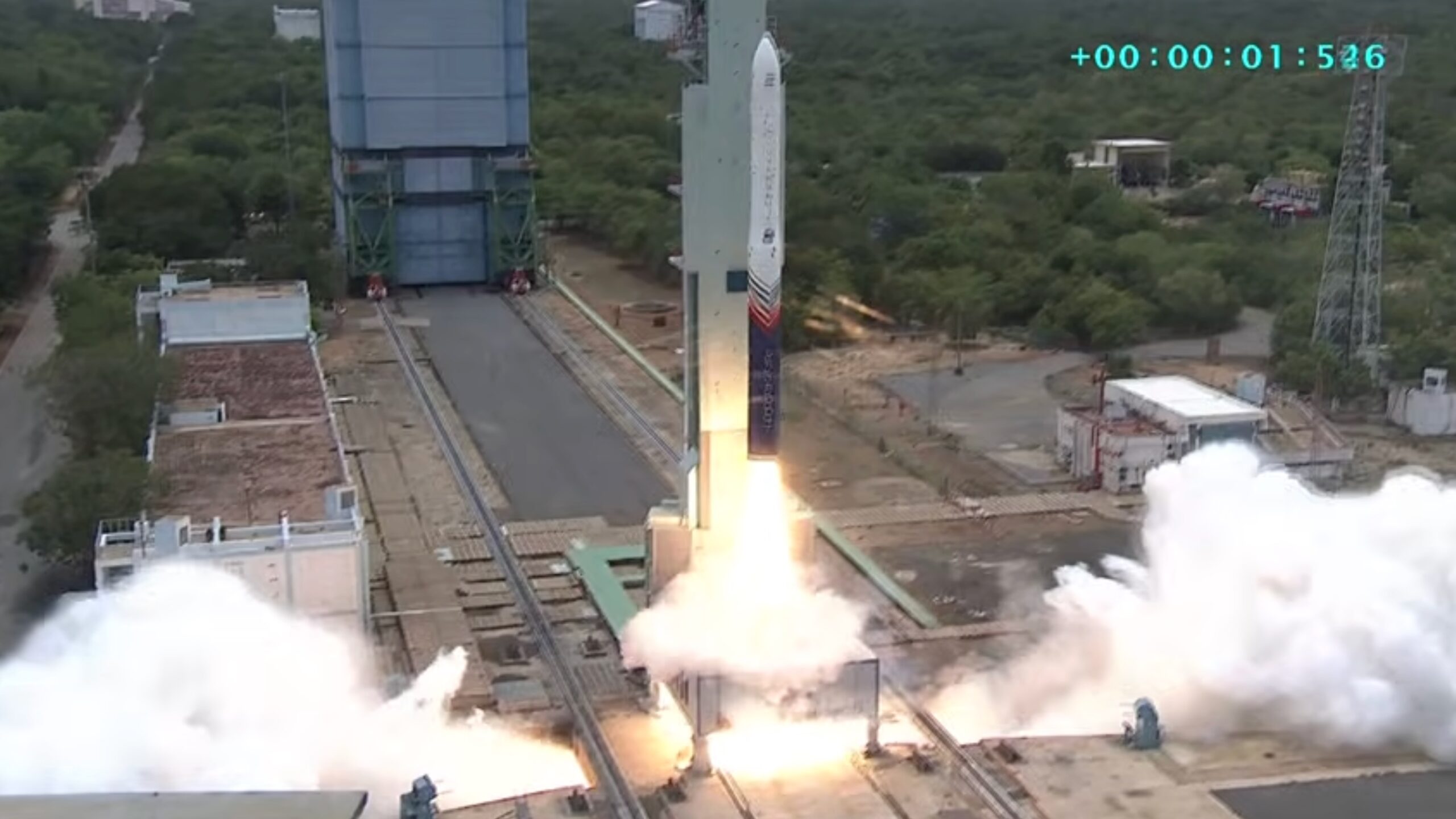 India's Private Rocket Vikram-1 Successfully Reaches Orbit
 Modern Life's Impact on Mental Health: An Evolutionary Mismatch