
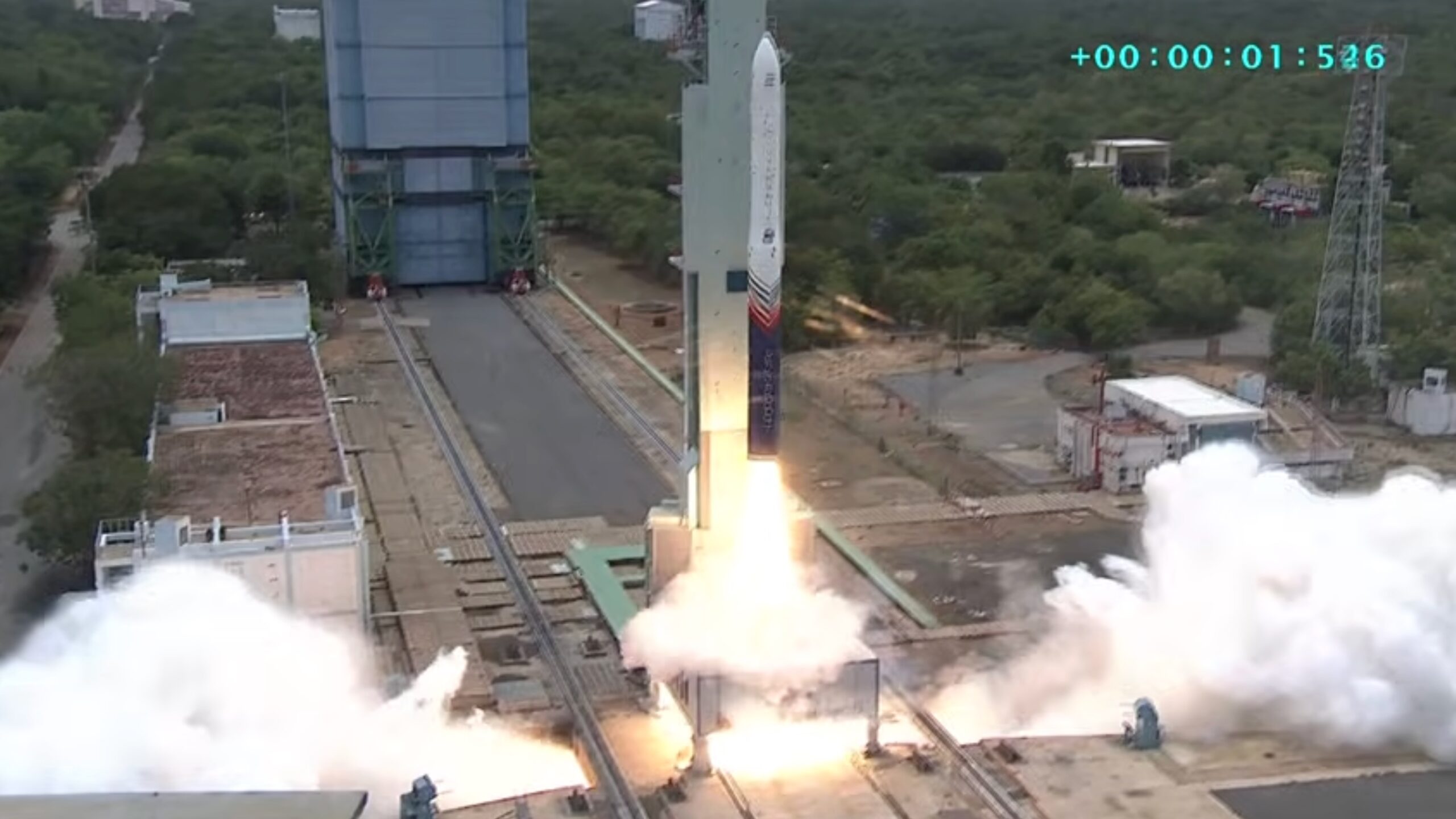
 India's Private Rocket Vikram-1 Successfully Reaches Orbit
KillBait - News highlights delivered clearly and responsibly—no clickbait, no sensationalism

Photo: slashdot.org
2026-07-19 14:18 Science 11


NASA's New Horizons Probe Resumes Science Operations in the Kuiper Belt After Hibernation
NASA's New Horizons spacecraft, launched in 2006 and famously flown by Pluto in 2015, has resumed scientific operations after emerging from a planned hibernation mode.The probe, now 5.9 billion miles from Earth, awakened on June 23, 2026, after entering a dormant state on August 7, 2025.
Engineers at the Johns Hopkins Applied Physics Laboratory confirmed the spacecraft is in excellent condition and transmitting data collected during its long sleep.The mission is now studying the Kuiper Belt, a region of icy trans-Neptunian objects, to understand planetary formation.
New Horizons is analyzing the rotation, orientation, and shape of these bodies, revealing that paired, snowman-shaped objects like Arrokoth are more common than expected.This data could shed light on how planets form from dust and pebbles.Additionally, the probe is measuring gas distribution in the outer heliosphere and cosmic rays, providing insights into solar system shielding.The Venetia Burney Student Dust Counter also detected unexpected dust levels beyond the Kuiper Belt, challenging existing models.This mission continues to expand our knowledge of the solar system's outer regions.
2206
Original title: Long After Pluto Fly-By, NASA's New Horizon's Probe Wakes Up Again, Starts Doing New Science
The AI system has determined that this news is not clickbait/sensationalist: : The original title uses dramatic phrasing like 'Wakes Up Again' and 'Starts Doing New Science,' but it accurately reflects the mission's resumption of scientific activities. While slightly sensational, it remains factual and not overtly clickbait. This has coincided with the opinion of the majority of users.
You may also be interested in...
India's Private Rocket Vikram-1 Successfully Reaches Orbit
 Study Finds Link Between Social Media Use and ADHD Symptoms in Teen Boys
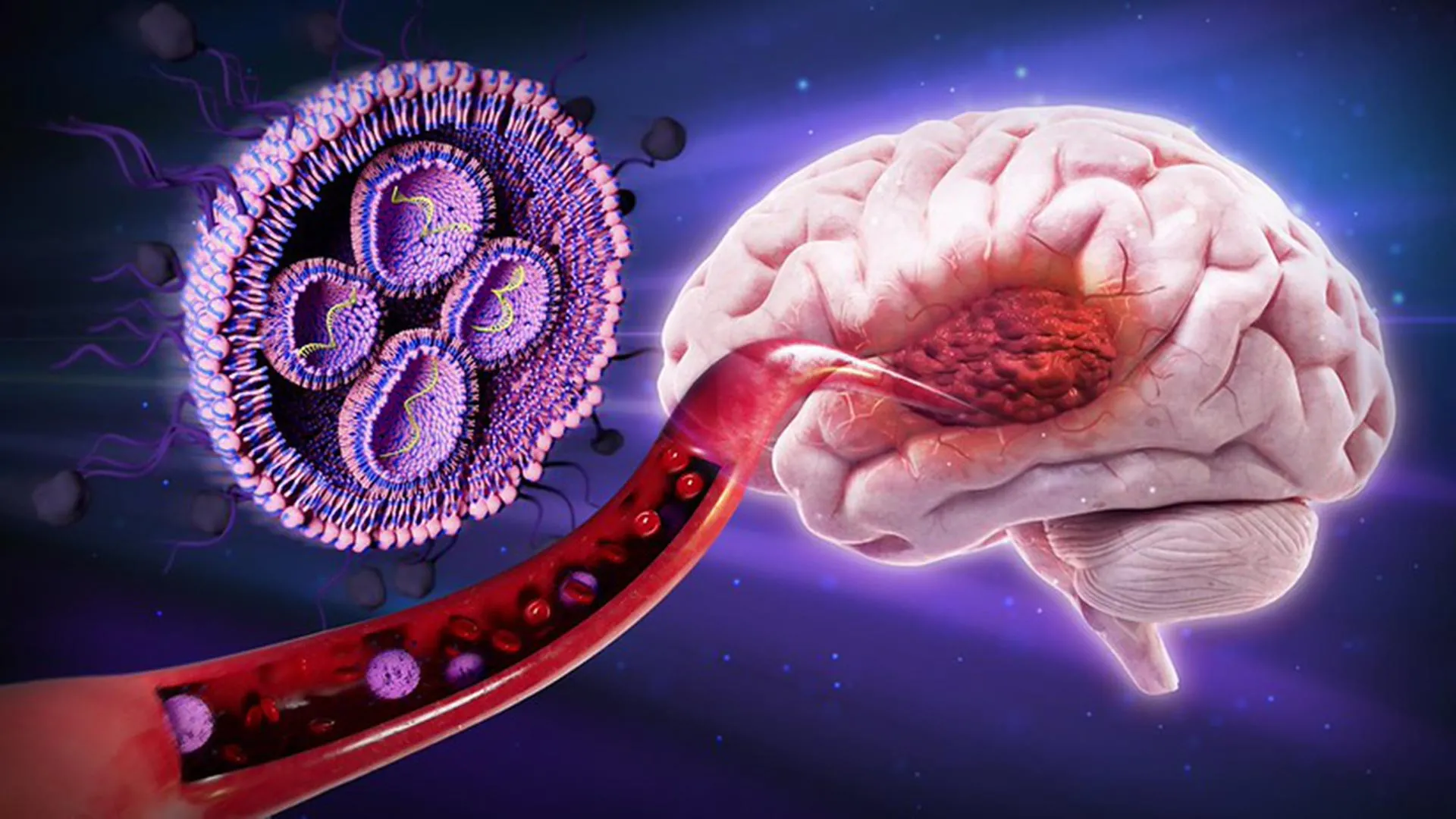 Sugar-Coated Nanoparticles Target Brain Tumors in Experimental Therapy