
 Engineered Bacteria Enable Biodegradable Plastic to Fully Decompose in Six Days
KillBait - News highlights delivered clearly and responsibly—no clickbait, no sensationalism
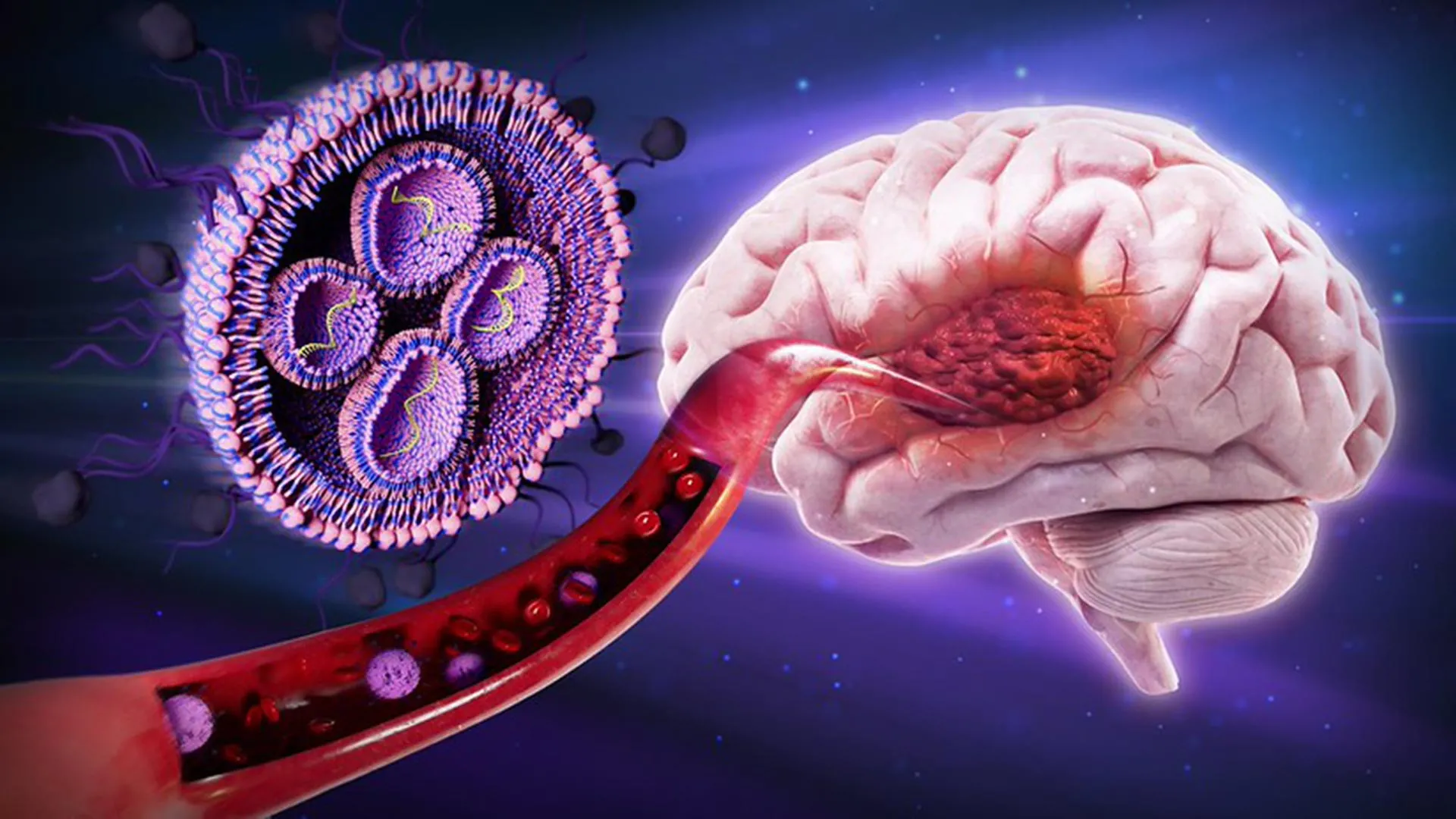
Photo: ScienceDaily
2026-07-18 14:43 Science 10


Sugar-Coated Nanoparticles Target Brain Tumors in Experimental Therapy
Researchers at Oregon State University have developed an experimental treatment for glioblastoma, the most aggressive form of brain cancer, using sugar-coated nanoparticles to deliver genetic material directly to tumor cells.The therapy, tested in mice, increased median survival by 50% while shrinking tumors without harming other organs.
The nanoparticles, coated with mannose (a sugar similar to glucose), exploit the GLUT1 transporter to cross the blood-brain barrier, a major obstacle in brain cancer treatment.By delivering genetic instructions to cancer cells, the treatment aims to halt tumor growth.This breakthrough addresses the challenge of targeting brain tumors, which are notoriously difficult to treat due to the blood-brain barrier.The study highlights the potential of nanotechnology and gene therapy in oncology, offering hope for more effective treatments.While results in mice are promising, further research is needed to translate this into human applications.The innovation underscores the growing role of biotechnology in combating complex diseases.
2186
Original title: This sugar-coated therapy boosted survival against deadly brain cancer by 50% in mice
The AI system has determined that this news is clickbait/sensationalist: : The original title uses sensational language ('boosted survival by 50%') to attract attention, which is typical of clickbait. The summary focuses on the scientific method rather than the percentage statistic. This has coincided with the opinion of the majority of users.
You may also be interested in...
Engineered Bacteria Enable Biodegradable Plastic to Fully Decompose in Six Days
 Study Reveals Sweeteners' Impact on Gut Bacteria When Combined with Medications and Food Additives
 CDC Staff Cuts Hinder Cyclospora Outbreak Response