
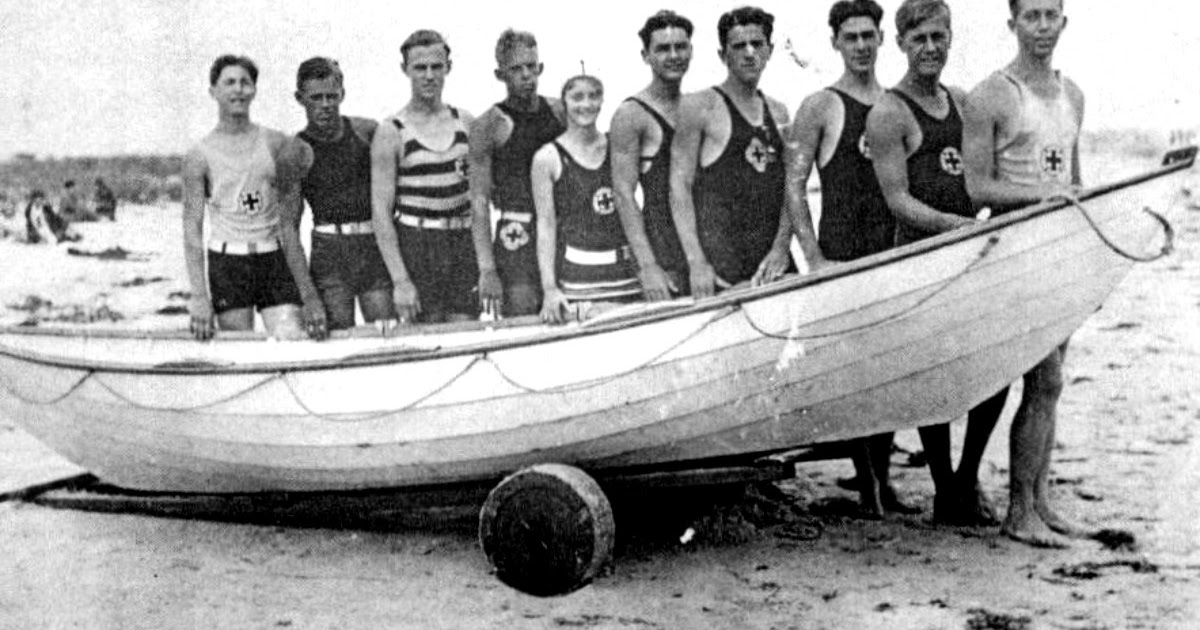
 Bette Davis's Early Life as Maine's First Female Lifeguard Before Hollywood Stardom
KillBait - News highlights delivered clearly and responsibly—no clickbait, no sensationalism
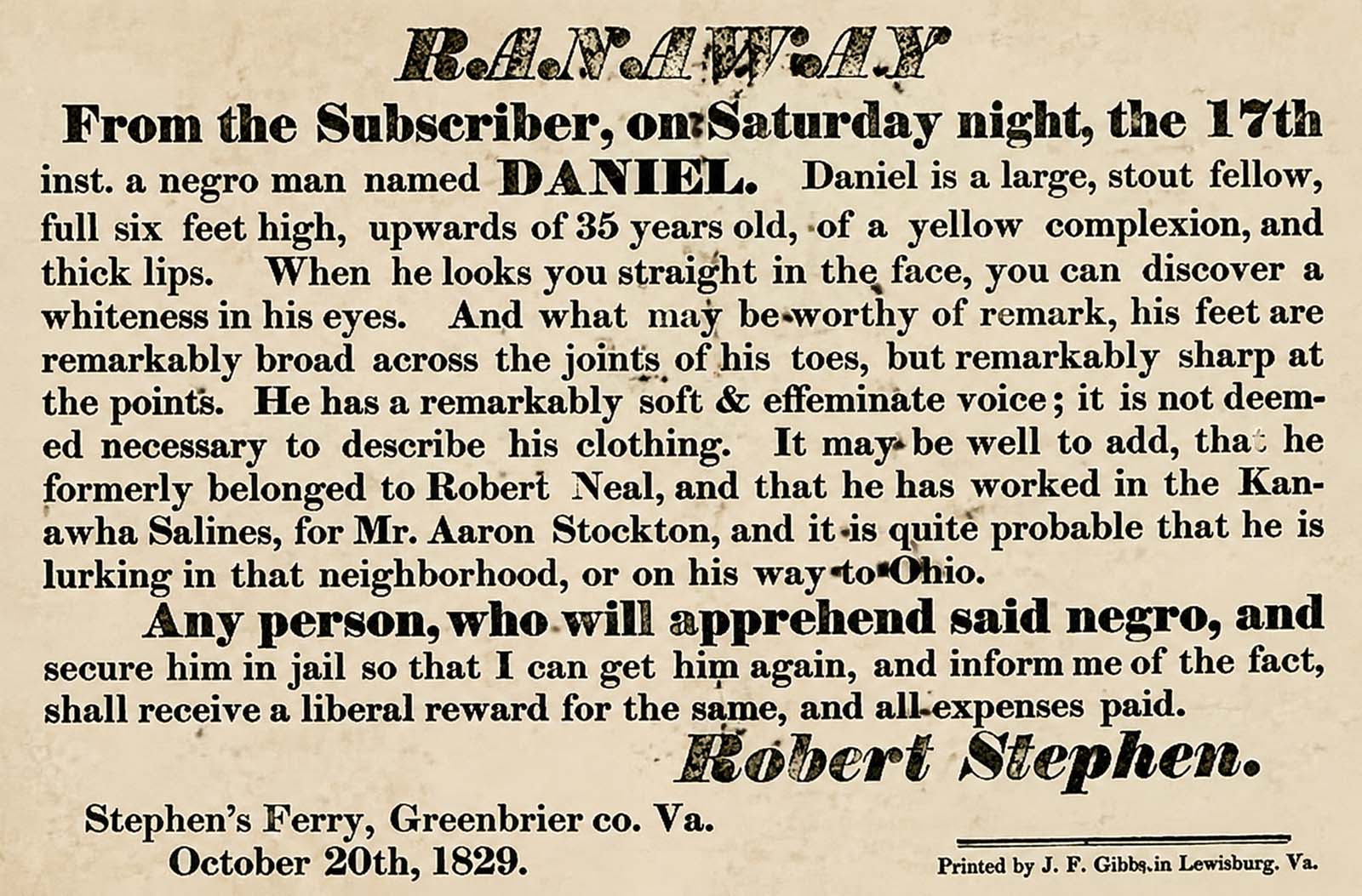
Photo: Rare Historical Photos
2026-07-11 20:19 History 12


Historical Runaway Slave Ads Reveal 19th Century Struggles for Freedom
The article explores the historical context of runaway slave advertisements from the 19th century, highlighting their role in documenting the systemic oppression of slavery.
These notices, often published in local newspapers, contained detailed descriptions of escaped individuals, including physical traits, clothing, speech patterns, and rewards for their capture.Enslavers used these ads to track and recapture fugitives, reflecting the economic value placed on enslaved people.
The advertisements also reveal the calculated cruelty of slavery, with some offering additional payments for physical punishment inflicted on captured individuals.
Despite the rewards, many enslaved people successfully evaded capture through networks like the Underground Railroad, aided by free Black communities and knowledge of the land.
The article emphasizes the historical significance of these documents, which provide insight into the lived experiences of enslaved individuals and the broader societal structures that upheld slavery.Researchers have digitized these ads to create searchable databases, offering scholars and the public access to this critical historical record.
The piece underscores the irony of these ads appearing in publications that celebrated liberty, while simultaneously reducing human beings to mere commodities.
Full reading at Rare Historical Photos
2224
Original title: Disturbing Runaway Slave Ads From the 19th Century Capture the Struggle for Freedom
The AI system has determined that this news is clickbait/sensationalist: : The original title uses emotionally charged language like 'disturbing' and 'struggle for freedom' to evoke strong reactions, which aligns with clickbait tactics. This has coincided with the opinion of the majority of users.
You may also be interested in...
Bette Davis's Early Life as Maine's First Female Lifeguard Before Hollywood Stardom
 The 1963 Studebaker Avanti R2: A Pioneering American Sports Car Design
 The Shift from 'the United States' to 'America' and the Expansion of U.S. Colonialism