
 Acetrea Cancer Advocacy Network Seeks Sponsorship to Train Oncology Nurses in Nigeria
KillBait - News highlights delivered clearly and responsibly—no clickbait, no sensationalism
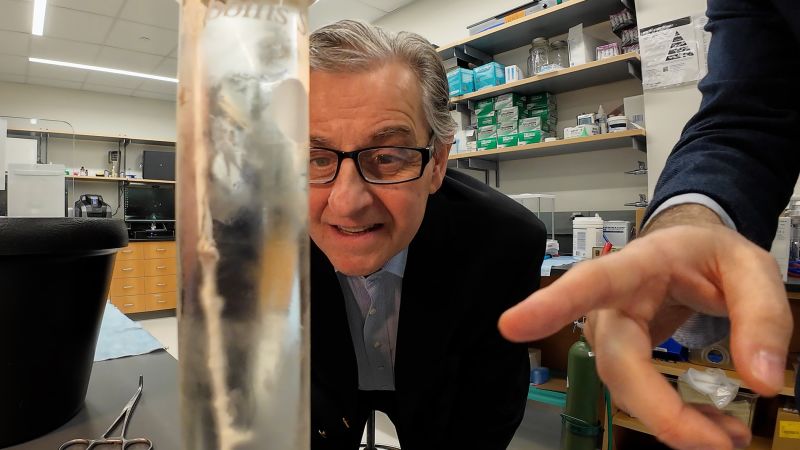
Photo: CNN
2026-06-01 15:18 Health 13 


How a personal tragedy helped inspire breakthroughs in inflammation science and bioelectronic medicine
The article follows the life and scientific career of Dr.Kevin J.Tracey, a neurosurgeon whose experience with a tragic pediatric case in 1985 profoundly influenced his future research.
While treating an 11-month-old baby who ultimately died in his care, Tracey was deeply affected by the inability of medicine at the time to explain or prevent the fatal outcome.This emotional and professional turning point led him to dedicate his career to understanding inflammation and the body’s immune response.
Years later, Tracey and his research team made a significant discovery involving the vagus nerve, a key communication pathway between the brain and body.
Initially uncovered through unexpected experimental results in the late 1990s, this finding revealed that stimulating the vagus nerve could regulate inflammation.
Over decades of research, this insight developed into the field of bioelectronic medicine, which uses electrical stimulation rather than drugs to influence biological processes.In 2025, the U.S.Food and Drug Administration approved a device known as the SetPoint System for treating rheumatoid arthritis.The device, roughly the size of a multivitamin, is surgically implanted in the neck and delivers brief daily stimulation to the vagus nerve.Clinical trials showed it could reduce symptoms and inflammation in patients who had limited success with traditional medications.
The article also highlights patient experiences, including individuals who reported dramatic improvements in pain and quality of life after receiving the implant.However, despite FDA approval, challenges remain, particularly around insurance coverage and access to the treatment.Tracey continues to advocate for broader adoption of the technology.
Overall, the story connects a personal moment of loss with decades of scientific progress, illustrating how advances in understanding the nervous and immune systems may reshape treatment for chronic inflammatory diseases in the future.
2241
Original title: A baby died in this neurosurgeon’s arms. What happened next changed everything we know about inflammation
The AI system has determined that this news is not clickbait/sensationalist: : The original title is dramatic but accurately reflects the narrative hook of the article, which is based on a real personal experience that led to scientific discoveries. It does not appear to exaggerate outcomes beyond what is described in the content. This has coincided with the opinion of the majority of users.
You may also be interested in...
Acetrea Cancer Advocacy Network Seeks Sponsorship to Train Oncology Nurses in Nigeria
 Marjorie Taylor Greene travels to Mexico for experimental stem cell therapy