
 US agencies expand monitoring of emerging ‘anti-tech extremism’ amid growing AI-related tensions
KillBait - News highlights delivered clearly and responsibly—no clickbait, no sensationalism
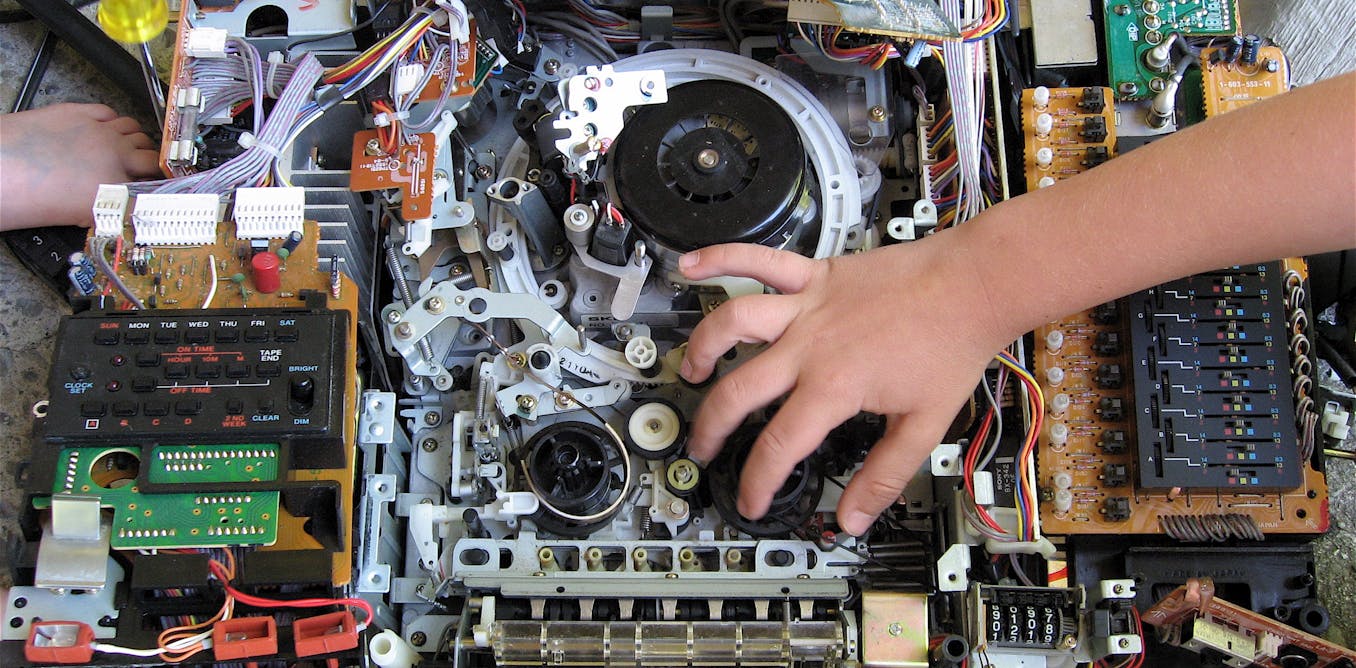
Photo: The Conversation
2026-05-22 19:17 Technology 15 


How Copyright Laws and Proprietary Software Restrict Consumer Repairs in the U.S.
In the United States, repairing consumer electronics and machinery has become increasingly difficult due to proprietary software and intellectual property restrictions.
Many everyday items, from smartphones to farm tractors, are designed so that only manufacturers or authorized repair personnel can perform repairs, often at high costs.This situation has not only frustrated consumers but has also contributed to environmental issues, as the U.S.generates massive amounts of electronic waste annually, with only a fraction recycled.
The right-to-repair movement has emerged to advocate for legislation allowing consumers and third-party technicians to repair devices without excessive legal or financial barriers.
The movement has gained bipartisan support in Congress, with initiatives such as the Warrior Right to Repair Act and the Repair Act, though both face strong opposition from industry groups.
Historical research indicates that these restrictions have roots in Hollywood’s response to the rise of VCRs in the 1970s and 1980s, when studios sought to protect their films from copying.
Over time, digital rights management and the Digital Millennium Copyright Act expanded these protections to software and hardware, limiting the ability of users to modify or repair their products.
Despite public support for repair rights, legal and technological frameworks still favor manufacturers, leaving consumers with costly repair options and contributing to electronic waste.
Full reading at The Conversation
2273
Original title: Today’s bans on DIY repairs of everything from cell phones to tractors grew out of Hollywood’s fear of videotaping
The AI system has determined that this news is not clickbait/sensationalist: : The original title reflects the article's historical argument and is informative rather than sensational, linking Hollywood’s fear of videotaping to broader repair restrictions. This has coincided with the opinion of the majority of users.
You may also be interested in...
US agencies expand monitoring of emerging ‘anti-tech extremism’ amid growing AI-related tensions
 Acer launches Swift Spin 14 AI convertible with 120 Hz display and Snapdragon X-series processors
 Kubb Fanless Mini PC Updated with Intel Panther Lake CPU and Premium Pricing