
 Ukraine Rejects Russian Claims of Deliberate Drone Strike on Zaporizhzhia Nuclear Plant
KillBait - News highlights delivered clearly and responsibly—no clickbait, no sensationalism

Photo: La mirada del mendigo
2026-06-07 13:20 Conflict 10 


How Drones Are Reshaping Warfare in the Ukraine-Russia Conflict
This opinion article argues that the widespread use of drones has fundamentally transformed modern warfare, particularly in the Ukraine-Russia conflict.
The author describes how the war evolved from failed maneuver operations into a largely static conflict dominated first by artillery and later by drones.
According to the article, commercially available quadcopters modified to carry explosives, along with increasingly advanced unmanned systems, have created a battlefield where infantry movement is extremely dangerous.
The author claims that drone coverage extends across broad areas of the front, forcing soldiers to remain concealed and making offensive operations costly and difficult.
The article contends that this technological shift has reduced the effectiveness of many traditional military platforms such as tanks, warships, and other expensive weapons systems that were designed for twentieth-century warfare.
The author argues that large and costly military assets have become vulnerable targets for relatively inexpensive drones and missiles, leading to a reevaluation of military spending priorities.Beyond military strategy, the piece reflects on the social and ethical implications of drone warfare.It portrays a future in which soldiers hide underground while autonomous or remotely controlled machines dominate the battlefield.
The author views the increasing automation of warfare, including drones guided by fiber-optic links and systems capable of autonomous targeting decisions, as an inevitable consequence of technological progress.The article concludes that future armed forces will be compelled to rely heavily on large numbers of small robotic weapons systems.
While the author considers this transformation unavoidable, he also regards it as a troubling development that may further distance humans from the realities and moral consequences of war.
Full reading at La mirada del mendigo
2191
Original title: La guerra de drones
The AI system has determined that this news is not clickbait/sensationalist: : The original title is straightforward and descriptive. It directly reflects the article's main subject—the role of drones in modern warfare—and does not rely on sensational or misleading language to attract attention. This has coincided with the opinion of the majority of users.
You may also be interested in...
Ukraine Rejects Russian Claims of Deliberate Drone Strike on Zaporizhzhia Nuclear Plant
 US and Iran exchange strikes and warnings amid escalating tensions near the Strait of Hormuz
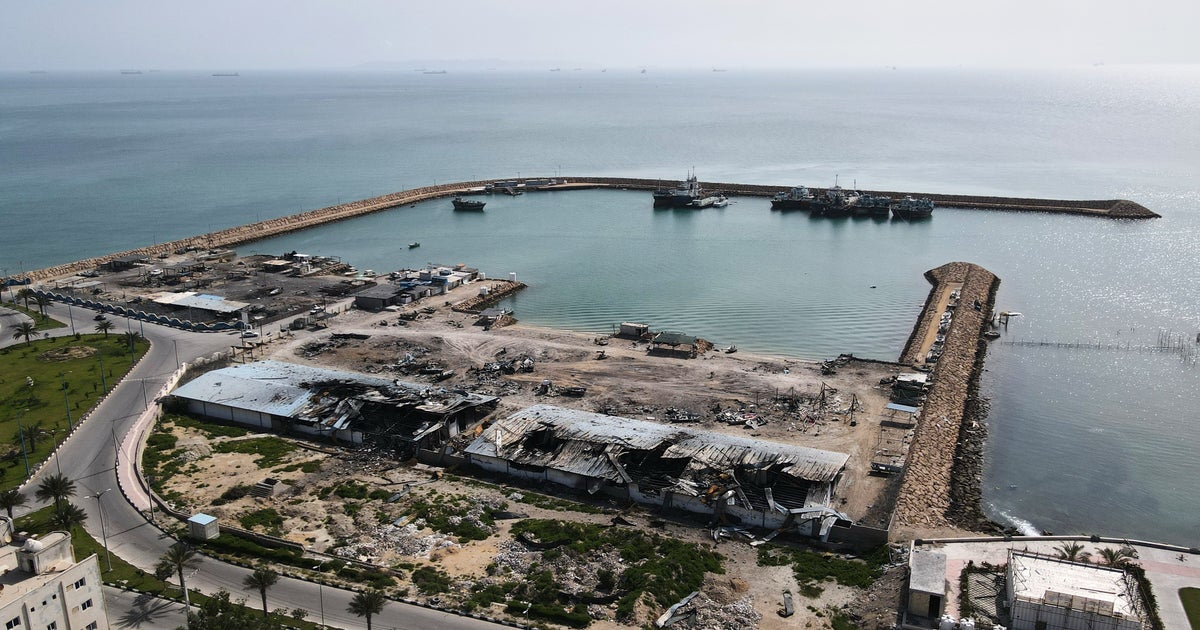 U.S. and Iran Exchange Strikes Amid Ongoing Ceasefire Talks and Regional Tensions