
 Marjorie Taylor Greene travels to Mexico for experimental stem cell therapy
KillBait - News highlights delivered clearly and responsibly—no clickbait, no sensationalism
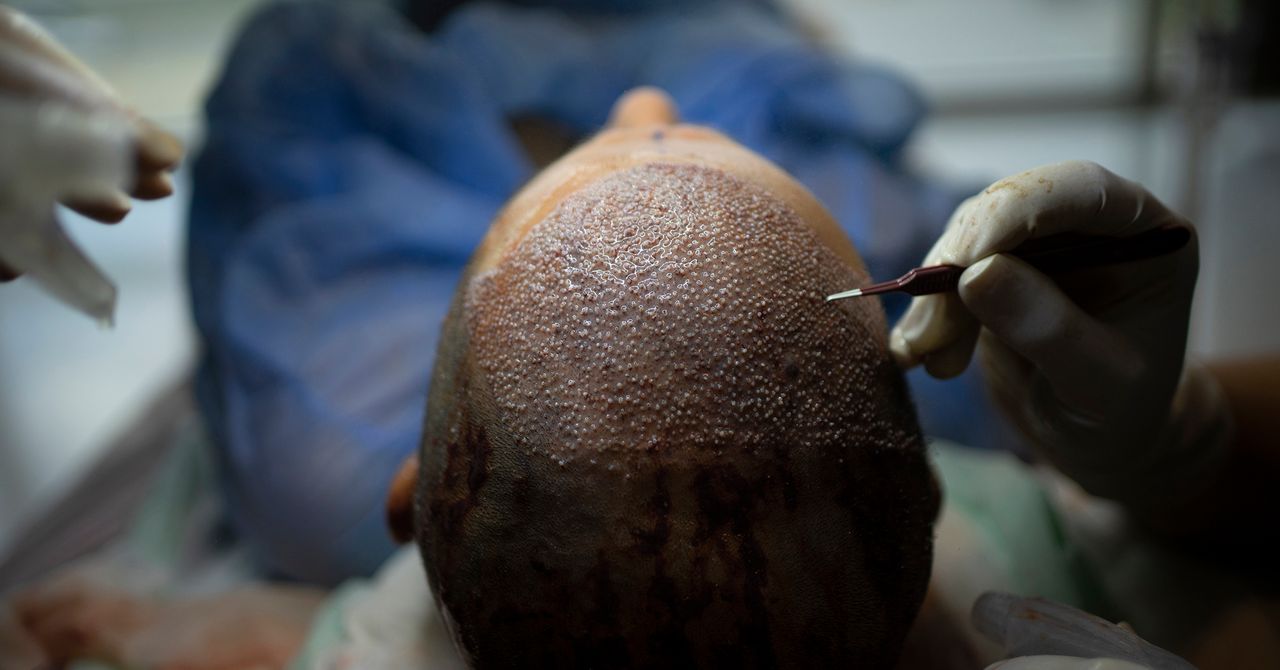
Photo: WIRED
2026-05-31 14:43 Health 11 


How Turkey Became a Global Leader in Hair Transplant Innovation and Medical Tourism
The article explores how Turkey became the world’s leading hub for hair transplants through a combination of medical innovation, engineering adaptation, and evolving industry dynamics.
What began in the late 1990s as an effort to reverse medical tourism flows—bringing patients to Turkey instead of sending Turkish celebrities abroad—has grown into a multibillion-dollar global industry.Turkey now attracts millions of medical tourists annually, with a significant share seeking aesthetic procedures such as hair restoration.The growth of the sector is explained through three phases of “health tourism evolution.
” In its early stage, institutional hospitals built strong clinical standards and training systems, establishing Turkey as a trusted destination for high-quality procedures.
The second phase expanded through a master–apprentice model, where surgeons trained in high-volume clinics later opened boutique practices, spreading expertise and increasing surgical capacity.By the mid-2010s, the industry entered a commercialization phase driven by aggressive marketing, digital agencies, and private investment.Demand surged further after the COVID-19 pandemic, as self-image awareness increased due to remote work and video calls.Hair transplants became closely tied to self-esteem and identity, reinforcing demand beyond purely medical reasons.A major theme of the article is technological adaptation.
Turkish engineers and clinicians modified dental motors for surgical use, developed specialized tools for different hair types, and reduced procedure times dramatically.Innovations such as sapphire blades and custom punch tools improved precision and reduced patient recovery time.
More recently, artificial intelligence systems like KE-BOT have been introduced to map scalp density and guide graft extraction with higher accuracy, combining robotics with human surgical skill.However, rapid growth also created challenges, including unlicensed “hair mills” and inconsistent quality standards.Experts emphasize the importance of verifying physician credentials and avoiding overly commercialized clinics.
Despite these issues, Turkey’s blend of craftsmanship, scalable training, and pragmatic engineering has positioned it as a global center for hair-transplant innovation and medical tourism.
2206
Original title: How Turkey Hacked the Hair Transplant Industry
The AI system has determined that this news is not clickbait/sensationalist: : The original title uses the word 'hacked,' which is metaphorical and slightly provocative, but it accurately reflects the article’s theme of innovation and adaptation rather than misleading the reader. This has coincided with the opinion of the majority of users.
You may also be interested in...
Marjorie Taylor Greene travels to Mexico for experimental stem cell therapy
 Study of 8,300 Older Adults Finds Common Table Salt-Adding Habit in Brazil
 Nearly 60 Idaho Residents Sickened by Raw Milk in Recent Outbreak