
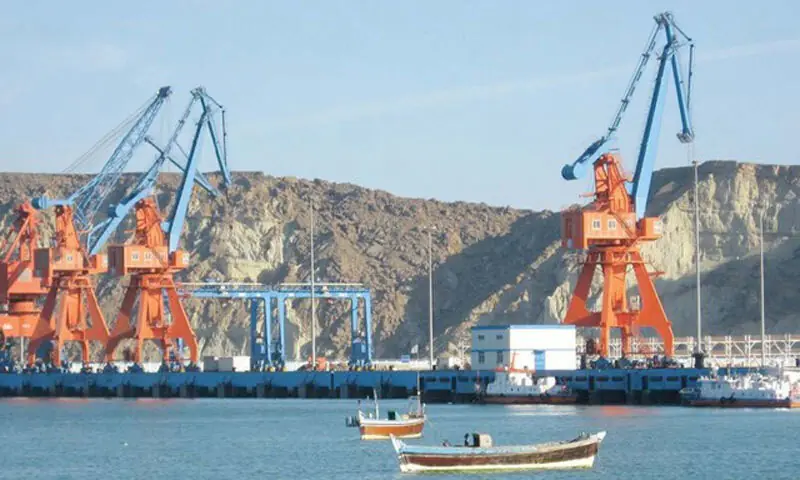
 Gwadar Port Launches First Commercial Bunkering Operation
KillBait - News highlights delivered clearly and responsibly—no clickbait, no sensationalism
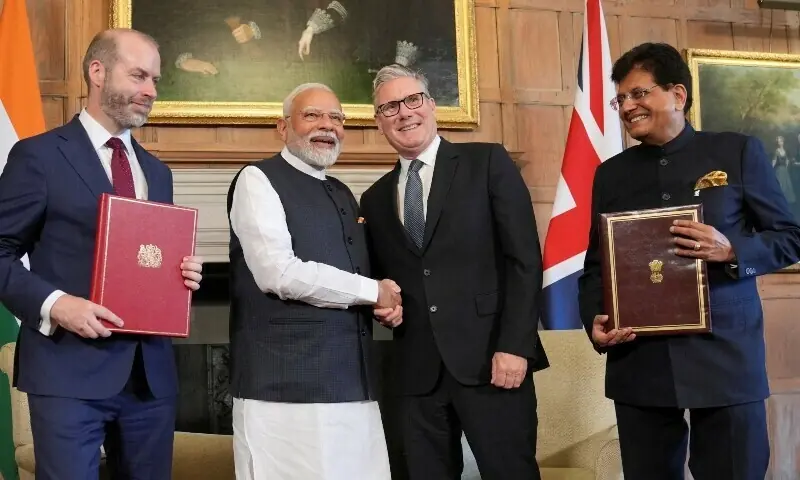
Photo: dawn.com
2026-07-15 22:55 Trade 10


India and UK Sign Comprehensive Trade Agreement to Boost Economic Ties
The India-UK Comprehensive Economic and Trade Agreement (CETA) has officially taken effect, significantly reducing tariffs on thousands of goods and expanding market access for services between the two nations.
This pact provides Indian exporters with duty-free access to most British tariff lines, benefiting sectors like textiles, leather, footwear, marine products, gems and jewellery, and processed foods.
Britain gains enhanced access to India's rapidly growing economy through phased tariff cuts and quotas in sectors such as automobiles and silver, along with openings in procurement, financial services, education, insurance, and professional services.
Prime Minister Narendra Modi highlighted the agreement's potential to deepen economic ties and support India's farmers, entrepreneurs, and small businesses.Bilateral trade figures show India exported $13.44 billion to Britain in 2025-26 while importing $11.68 billion.Services trade reached $35.44 billion in 2024, with India maintaining a $7.9 billion surplus.The agreement removes duties on 96.8% of British tariff lines and 64.1% of Indian tariff lines, with gradual phase-outs for others.Engineering exports to Britain are expected to surpass $7.5 billion by 2029-30, while the UK benefits from India's gradual opening of its automobile and alcoholic beverages markets.
The pact also includes provisions for reciprocal government procurement opportunities and a Double Contribution Convention to exempt Indian professionals from UK National Insurance payments.
2186
Original title: India-UK trade pact takes effect, cutting tariffs and boosting services trade
The AI system has determined that this news is clickbait/sensationalist: : The original title uses hyperbolic language like 'cutting tariffs' and 'boosting services trade' to create sensationalism, while the actual content focuses on structured economic agreements and mutual benefits. This has coincided with the opinion of the majority of users.
You may also be interested in...
Gwadar Port Launches First Commercial Bunkering Operation
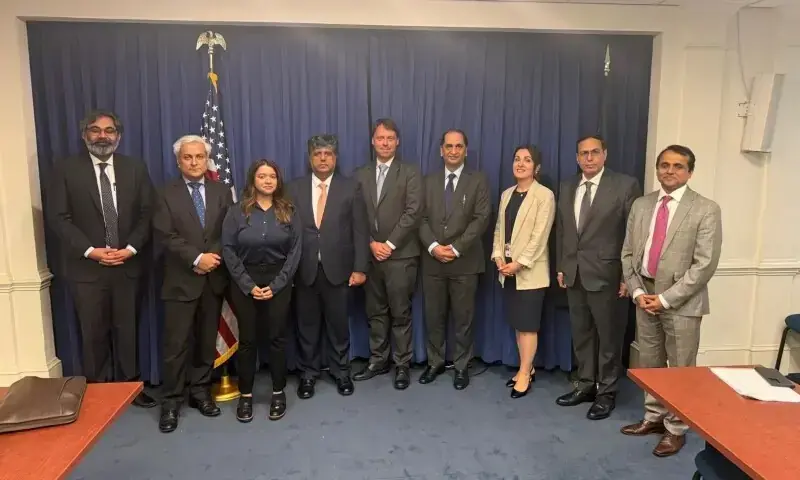 Pakistan-US trade talks yield progress on tariff reductions and economic cooperation
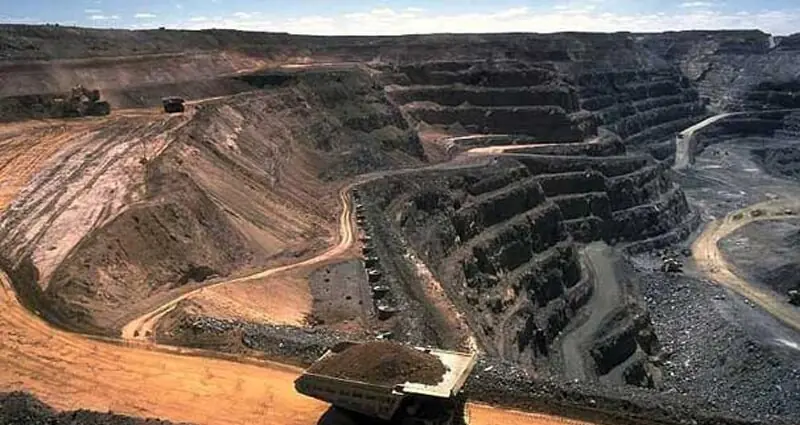 Pakistan Enhances Security Measures Around Saindak Mine Amid Terror Threats