
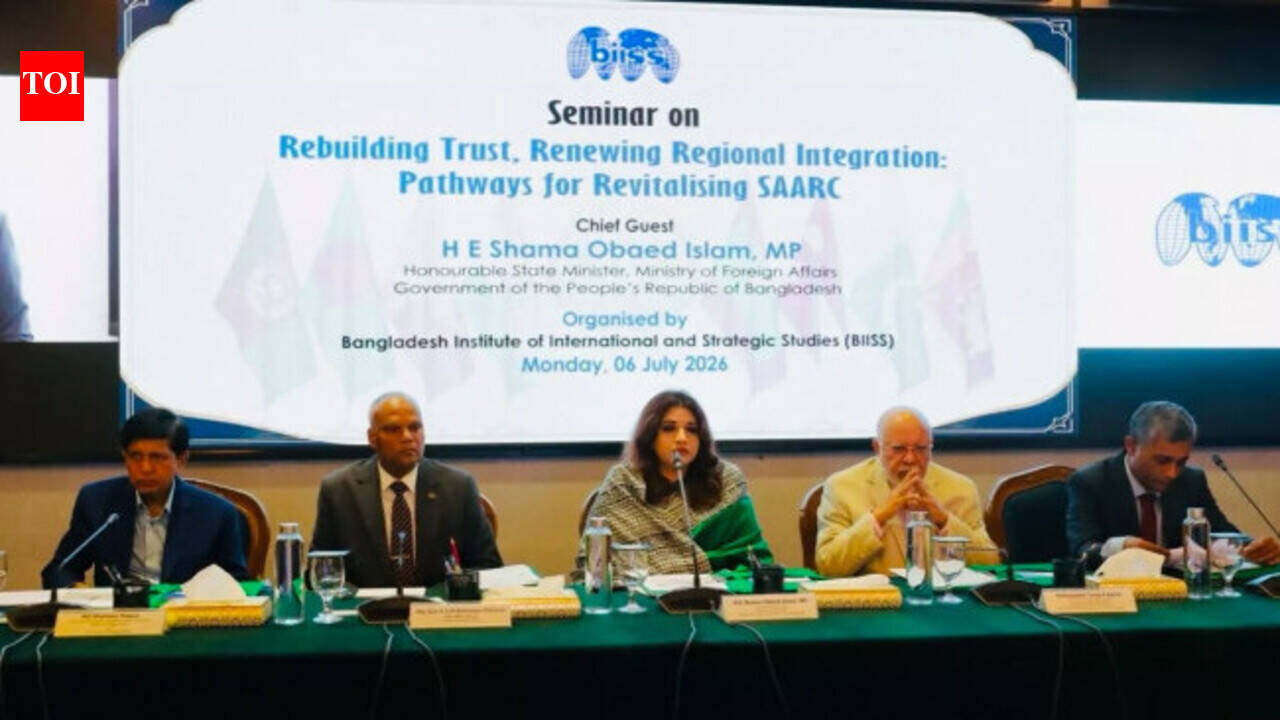
 Indian Diplomat Objects to Misrepresentation of J&K in Dhaka Seminar
KillBait - News highlights delivered clearly and responsibly—no clickbait, no sensationalism
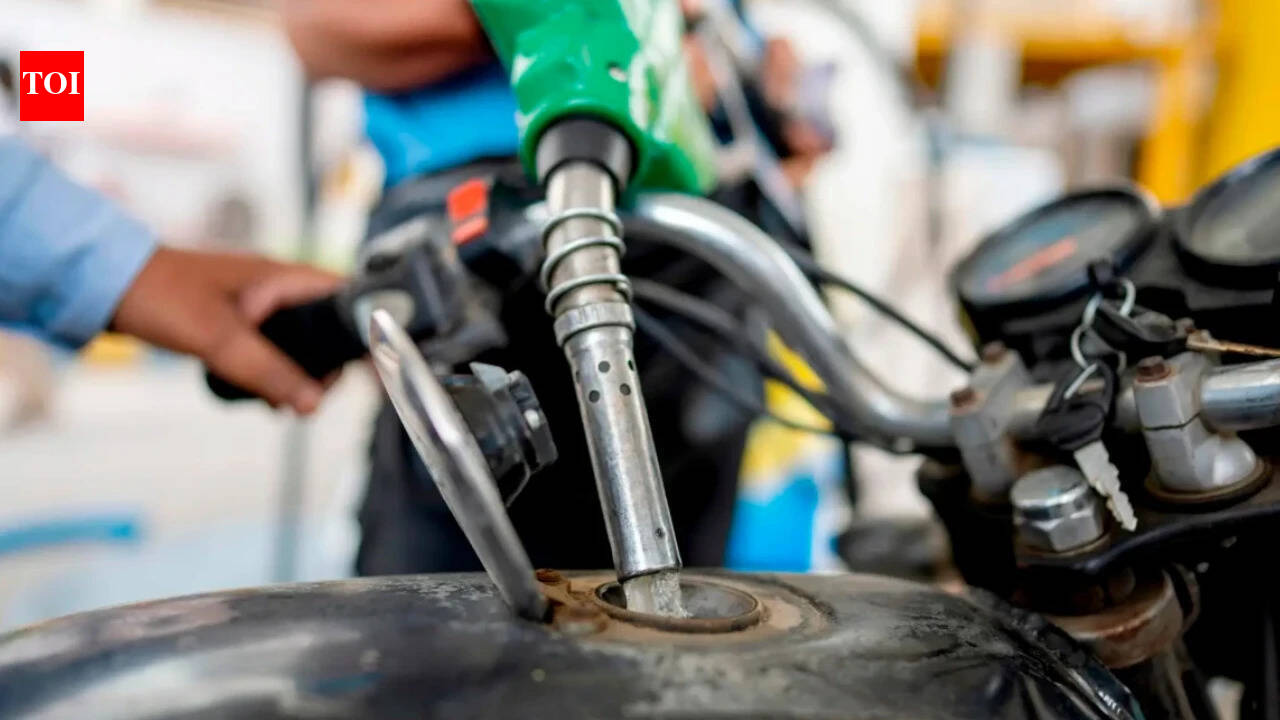
Photo: The Times of India
2026-07-07 09:30 Current affairs 10


India's E20 Petrol Rollout: Impact on Vehicles and Future Ethanol Blends
India has completed its nationwide shift to E20 petrol, which contains 20% ethanol, ahead of the 2030 target.While the government claims E20 is safe for existing vehicles, concerns persist about reduced fuel efficiency (3-4% lower mileage) and long-term engine compatibility, especially for cars manufactured before 2012.
Automakers like Maruti Suzuki and Hyundai argue that higher ethanol blends like E25 would require extensive testing and validation, citing risks to rubber and plastic fuel system components.
The government has exempted E22-E30 blends from excise duties and is preparing for future ethanol increases, but critics warn that mandatory upgrades could burden older vehicles.E85, a high-ethanol fuel for flex-fuel cars, is being rolled out in major cities, though conventional cars cannot use it without risking damage.The debate highlights tensions between energy security goals and consumer concerns about vehicle reliability and fuel costs.
Full reading at The Times of India
2186
Original title: How E20 affects your car and what’s next on E85 rollout
The AI system has determined that this news is clickbait/sensationalist: : The original title uses personal impact ('your car') and implies a future rollout ('what’s next'), which is more attention-grabbing than factual. This has coincided with the opinion of the majority of users.
You may also be interested in...
Indian Diplomat Objects to Misrepresentation of J&K in Dhaka Seminar
 Mandatory Yoga Wellness Training for Seafarers Under Government Regulations
 Govt extends vehicle registration validity to three years for inter-state travel