
 Banjara Community Launches Awareness Campaign Against Dowry and Gender-Based Violence
KillBait - News highlights delivered clearly and responsibly—no clickbait, no sensationalism
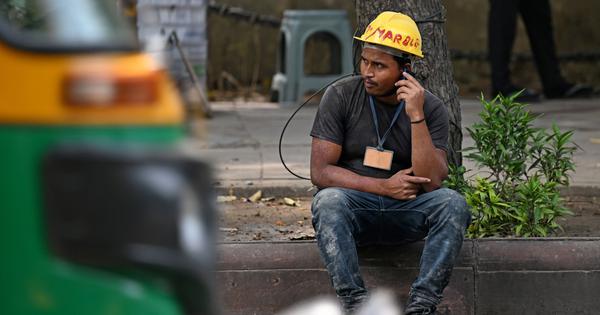
Photo: Scroll.in
2026-07-11 21:46 Society 10


India's migration patterns reshaping demographic balance through youth and education
The article discusses how India's migrant workforce, particularly young and educated individuals, is altering the country's demographic landscape.
Researchers from Azim Premji University analyzed data from the eShram portal and found that younger migrants are more educated than older counterparts, with higher secondary and graduate qualifications becoming common.
These migrants, often from states with lower per capita incomes, are moving to wealthier regions, contributing to a rebalancing of India's demographic dividend.The study highlights that informal workers with lower education levels travel farther, while more educated migrants stay closer to home.
Three distinct migration channels are identified: distress-driven long-distance migration from states like UP and Bihar, network-driven migration from Jharkhand and West Bengal, and spatially contained migration from Assam and Madhya Pradesh.
The findings suggest that migration patterns are influenced by economic pressures, social networks, and geography, with implications for policy and labor market planning.
2186
Original title: Interview: Young, educated and in search of work – migrants are rebalancing India’s demography
The AI system has determined that this news is not clickbait/sensationalist: : The original title is informative and directly relates to the content about migration patterns and demographic changes, without sensationalism. This has coincided with the opinion of the majority of users.
You may also be interested in...
Banjara Community Launches Awareness Campaign Against Dowry and Gender-Based Violence
 Bengaluru removes 430 km of footpath encroachments, to issue ID cards to street vendors
 Chennai fisherfolk's protest against market relocation sparks solidarity