
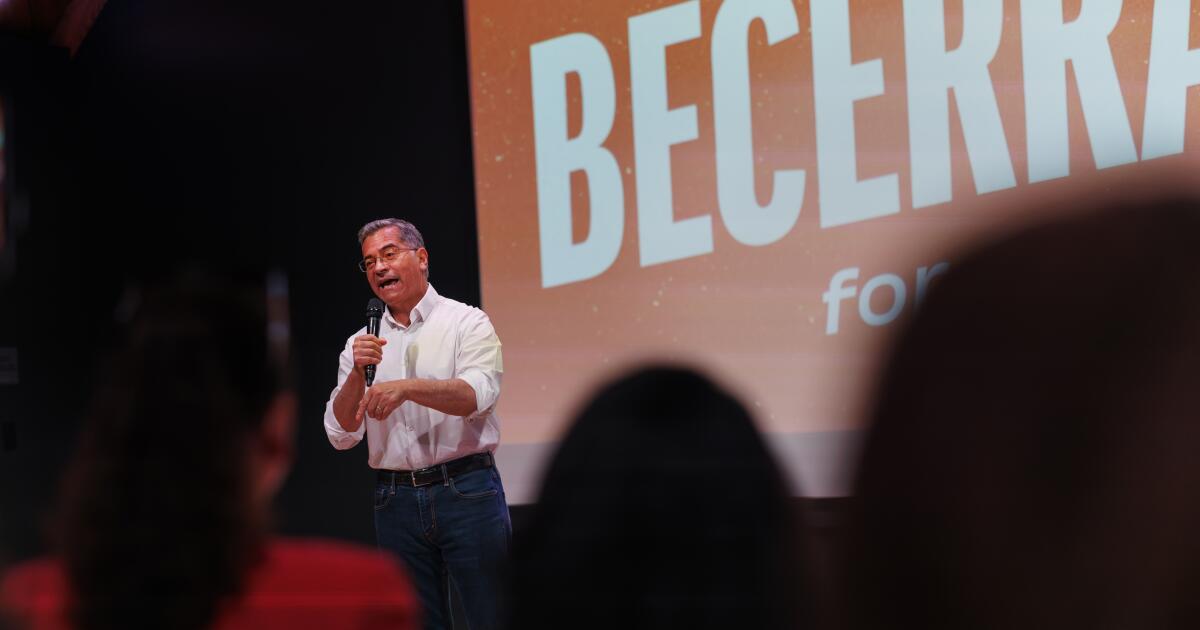
 Poll shows Becerra leading California governor primary, with Steyer and Hilton close behind
KillBait - News highlights delivered clearly and responsibly—no clickbait, no sensationalism
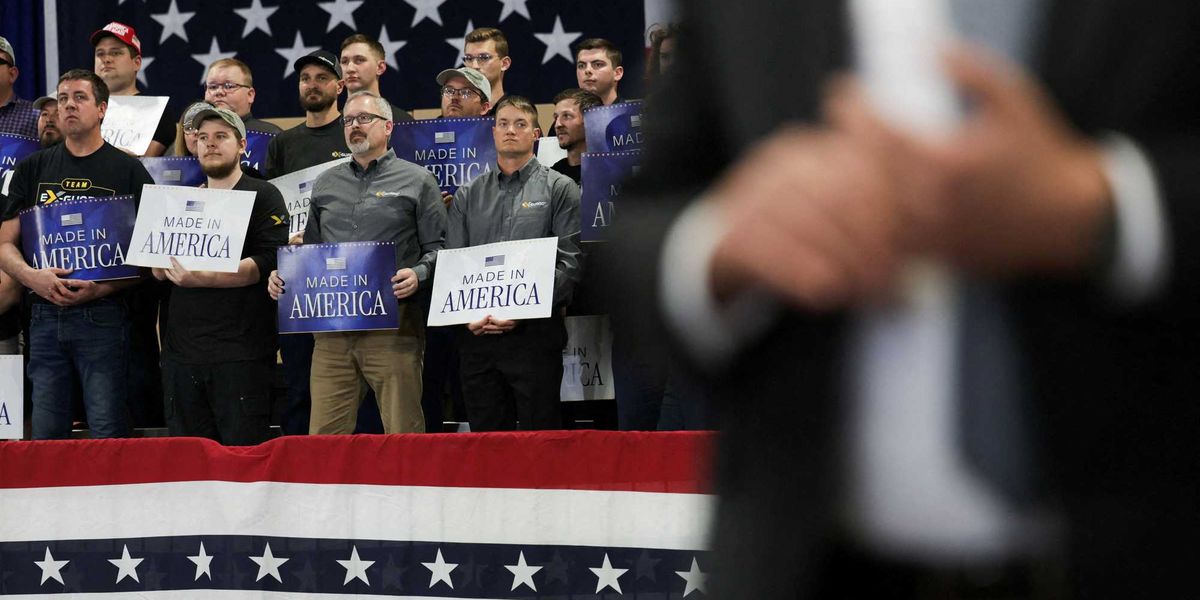
Photo: Raw Story - Celebrating 20 Years of Independent Journalism
2026-06-06 02:55 Politics 18 


Iowa Democratic Candidate Rob Sand Warns of State Budget Deficit Risks in Gubernatorial Campaign
In a speech at the Iowa Association of Business and Industry conference, Democratic gubernatorial candidate and current State Auditor Rob Sand emphasized bipartisanship as he campaigns against Republican nominee Zach Lahn ahead of the 2026 Iowa gubernatorial election.
Sand highlighted Iowa's economic and healthcare challenges after more than a decade of Republican trifecta control but stressed that one-party dominance, whether Democratic or Republican, leads to similar issues, citing examples like California and New York.
He advocated for collaboration with the Republican-controlled legislature, noting the narrow majorities in both chambers that will require cross-party support for legislation.
Sand addressed concerns about recent tax reforms, acknowledging some benefits but expressing worry over the state's ongoing budget deficit, which he described as a 'fiscal time bomb.' He criticized the use of one-time federal funds for recurring expenses and warned that this approach is unsustainable.To address the deficit, Sand proposed exploring new revenue sources, including legalizing and taxing recreational cannabis.The race is considered a toss-up, with the seat open due to term-limited Republican Gov.Kim Reynolds.Sand, who has led in fundraising, plans a 100 Town Hall Tour and continues to position himself as a moderate focused on reasonable solutions.
Republican leaders, including Iowa GOP Chair Jeff Kaufmann, have rallied behind Lahn, accusing Sand of pursuing policies that would increase taxes and government size.No joint debates have been scheduled yet.
Full reading at Raw Story - Celebrating 20 Years of Independent Journalism
2320
Original title: Red state warned it now faces a ‘time bomb’ ready to detonate
The AI system has determined that this news is clickbait/sensationalist: : The original title is quite clickbait because it uses sensational language like 'time bomb ready to detonate' to dramatize Sand's comments on the budget deficit, creating alarm without immediately clarifying the political and fiscal context of the gubernatorial race. This has coincided with the opinion of the majority of users.
Comments :
You may also be interested in...
Poll shows Becerra leading California governor primary, with Steyer and Hilton close behind
 Trump endorses Republican governor candidates in South Carolina, Iowa, and Oklahoma
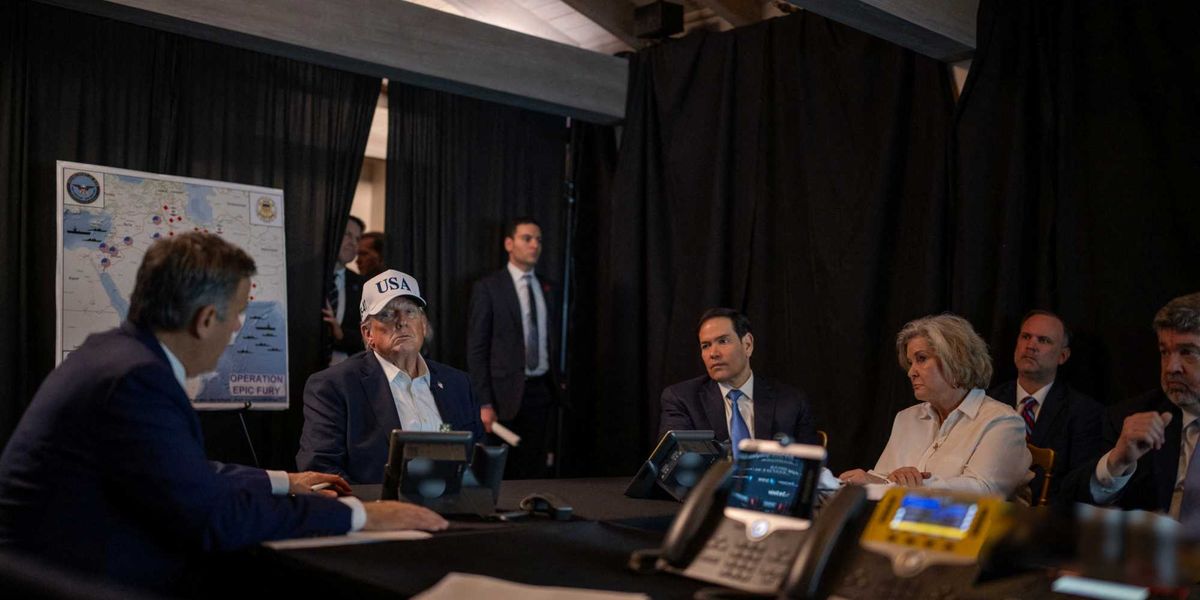 White House Denies Report Claiming Susie Wiles Plans to Leave Chief of Staff Role After Midterms
#1 souvlaki
Okay, so Rob Sand's spot-on! GOP's been messin' w/ the budget 4 yrs, gotta fix it. Bipartisan stuff is key, tbh. Taxing cannabis? Makes sense. Let’s get real abt revenue. Hope he crushes it!
#2 letovenusaur
Sand’s warning about Iowa’s structural deficit highlights a broader governance tension: bipartisan cooperation versus fiscal discipline. Reliance on one-time funds raises sustainability concerns, but new revenue proposals will face resistance