
 US and Iran Discuss Nuclear Terms and Strait of Hormuz Amid Ongoing Regional Tensions
KillBait - News highlights delivered clearly and responsibly—no clickbait, no sensationalism
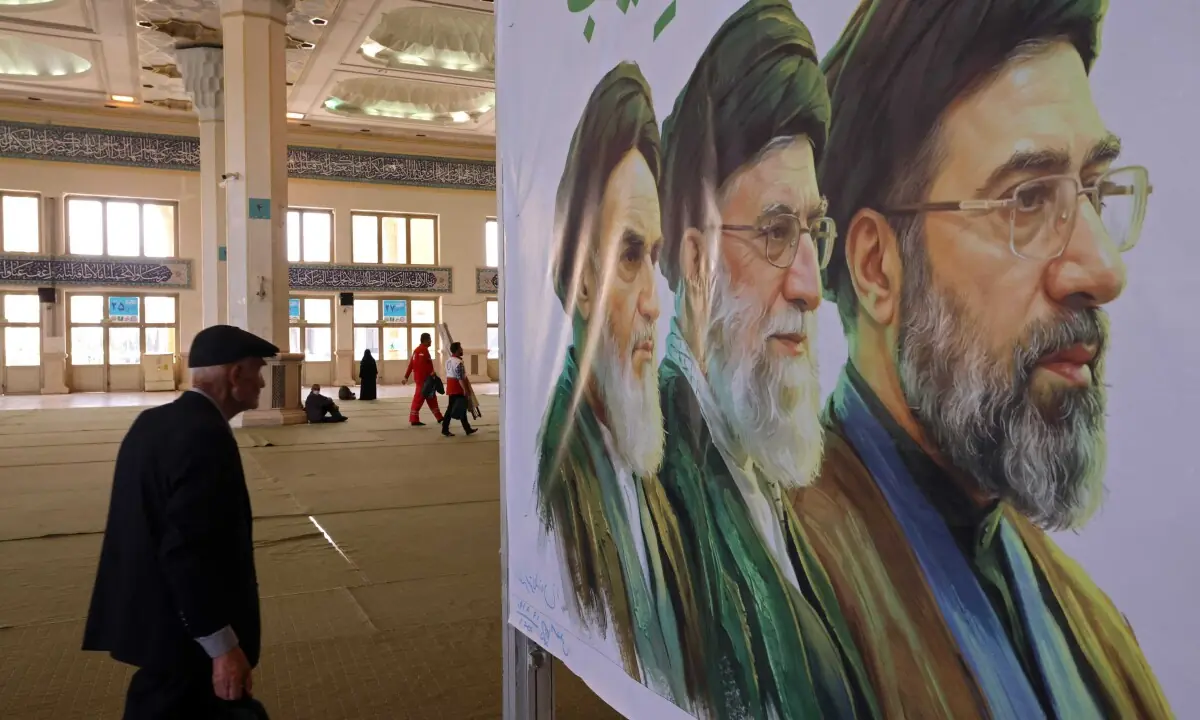
Photo: dawn.com
2026-05-25 05:20 Geopolitics 16 


Iran and US Near Agreement but Key Clauses and Nuclear Issues Still Unresolved
Iran and the United States appear close to reaching an agreement aimed at reducing tensions and ending the ongoing regional conflict, but important disagreements are still preventing the final signing of the deal.
Iranian President Masoud Pezeshkian stated that any final decision regarding an agreement with Washington will require approval from Supreme Leader Mojtaba Khamenei and Iran’s Supreme National Security Council.
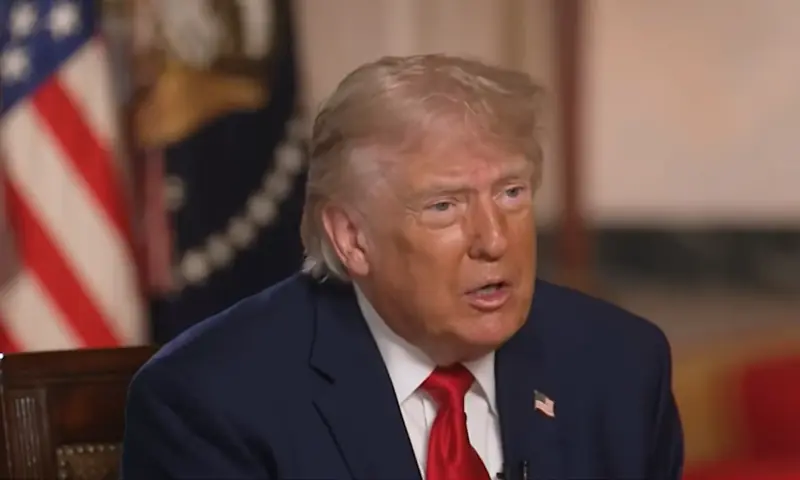
He also repeated Tehran’s position that Iran is not seeking nuclear weapons and is prepared to reassure the international community on this matter, while insisting that Iran will not compromise on its national dignity and sovereignty.On the American side, President Donald Trump said negotiations with Iran were progressing in an orderly and constructive manner.
However, he instructed his team not to rush into signing an agreement, stressing that the US blockade against Iran would remain until a formal and verified deal is completed.Trump also claimed that any new arrangement would be stronger than the 2015 nuclear agreement negotiated during the Obama administration.Reports from Iranian and international media indicate that disagreements continue over a few clauses in the proposed memorandum of understanding.
One major unresolved issue is Iran’s stockpile of highly enriched uranium, which Tehran reportedly refuses to transfer outside the country at this stage.Iranian sources warned that continued US pressure or additional conditions could prevent finalisation of the agreement.
US Secretary of State Marco Rubio expressed optimism that positive developments could emerge soon, saying recent talks had produced progress regarding tensions in the Strait of Hormuz.
According to reports, the proposed framework may include easing sanctions on Iranian oil exports, temporary arrangements related to maritime security, and extended negotiations over Iran’s nuclear programme.
2285
Original title: Final paperwork eludes Iran, US
The AI system has determined that this news is not clickbait/sensationalist: : The original title is straightforward and accurately reflects the article’s main point that final agreement procedures between Iran and the US are still incomplete. It does not use exaggerated or sensational wording. This has coincided with the opinion of the majority of users.
You may also be interested in...
US and Iran Discuss Nuclear Terms and Strait of Hormuz Amid Ongoing Regional Tensions
 US Appreciates Pakistan's Role in Facilitating Peace Talks with Iran
 Iran and US remain at odds as Trump reviews proposed nuclear and Strait of Hormuz deal