
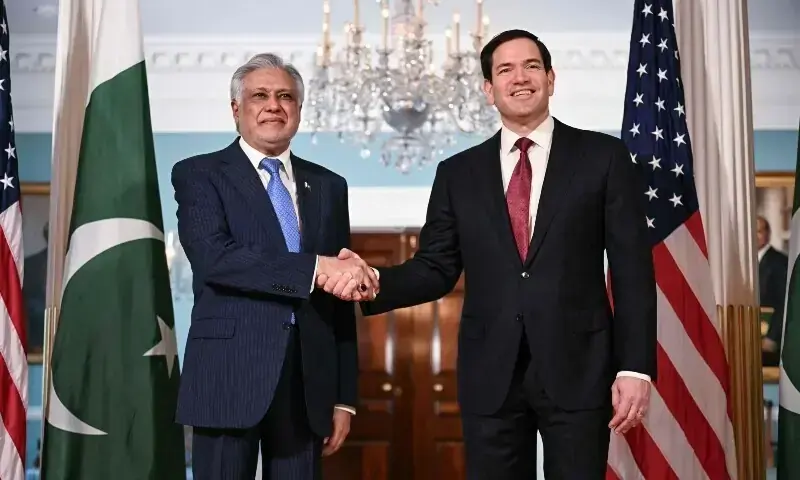
 Ishaq Dar Meets Marco Rubio to Discuss Bilateral Relations and Regional Peace
KillBait - News highlights delivered clearly and responsibly—no clickbait, no sensationalism
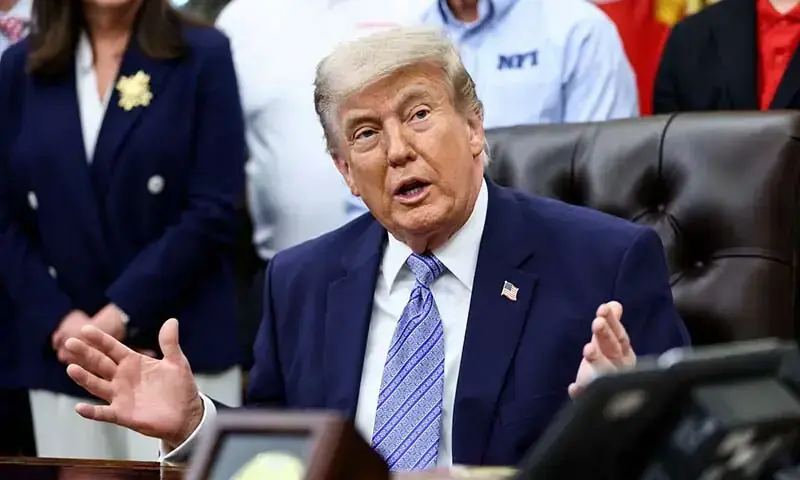
Photo: dawn.com
2026-05-30 08:57 Geopolitics 10 


Iran and US remain at odds as Trump reviews proposed nuclear and Strait of Hormuz deal
The United States and Iran remain divided over a potential agreement as President Donald Trump reviewed a proposed deal during a high-level meeting in the White House Situation Room.
While US officials indicated that significant progress had been made in negotiations aimed at ending ongoing tensions and conflict in the Middle East, Tehran firmly rejected claims that any final agreement had been reached.
Iranian foreign ministry spokesperson Esmaeil Baqaei stated that discussions were still ongoing through message exchanges but no final deal existed, emphasising that Iran rejects coercive language and external demands.
The proposed framework reportedly includes US demands for Iran to permanently abandon any nuclear weapons ambitions and to ensure the Strait of Hormuz remains open for shipping without tolls.
In contrast, Iranian sources have demanded the immediate release of around $12 billion in frozen assets and dismissed several elements of Trump’s statements as inaccurate or misleading.Iranian officials also rejected claims regarding destruction of nuclear materials and any clause involving toll-free shipping arrangements in Hormuz.
Tensions further escalated as both sides accused each other of violating ceasefire arrangements in and around the region, including reported strikes and retaliatory actions.
While US Central Command denied Iranian claims of downing an American aircraft, Iran’s state media continued to report incidents involving military activity.At the same time, US officials suggested progress in talks had positively influenced global markets, with oil prices easing slightly.Despite the diplomatic uncertainty, Iranian leadership reiterated its commitment to diplomacy while also expressing scepticism over US guarantees.Iran also acknowledged diplomatic engagement with countries such as Pakistan and Malaysia regarding efforts to support peace discussions.
Overall, the situation remains fluid with no confirmed agreement, as both Washington and Tehran continue to exchange competing narratives over the status and terms of any potential deal.
2187
Original title: Iran says ‘nothing final’ as Trump weighs deal
The AI system has determined that this news is not clickbait/sensationalist: : The original title is factual and directly reflects the content of the article, summarising the ongoing uncertainty in US-Iran negotiations without sensationalism or exaggerated language. This has coincided with the opinion of the majority of users.
You may also be interested in...
Ishaq Dar Meets Marco Rubio to Discuss Bilateral Relations and Regional Peace
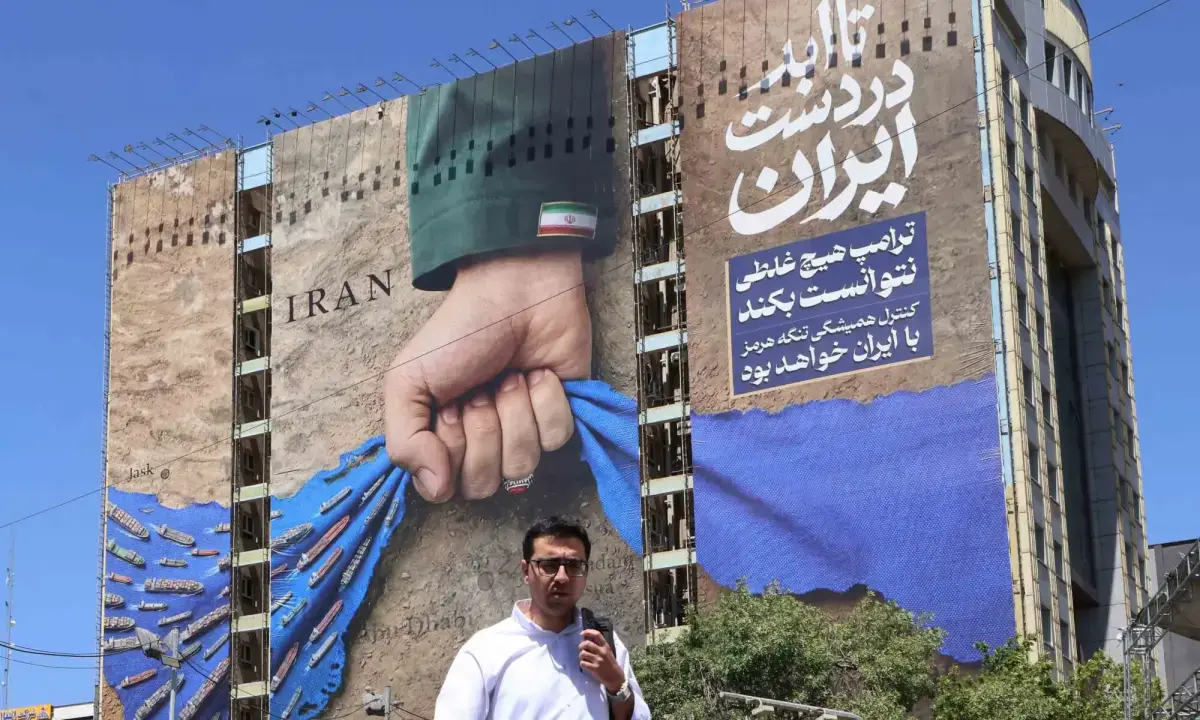 US-Iran tensions escalate after drone strikes near Strait of Hormuz and retaliatory attack on US base
 Iran says talks with US have advanced on regional war framework, but key disagreements remain