
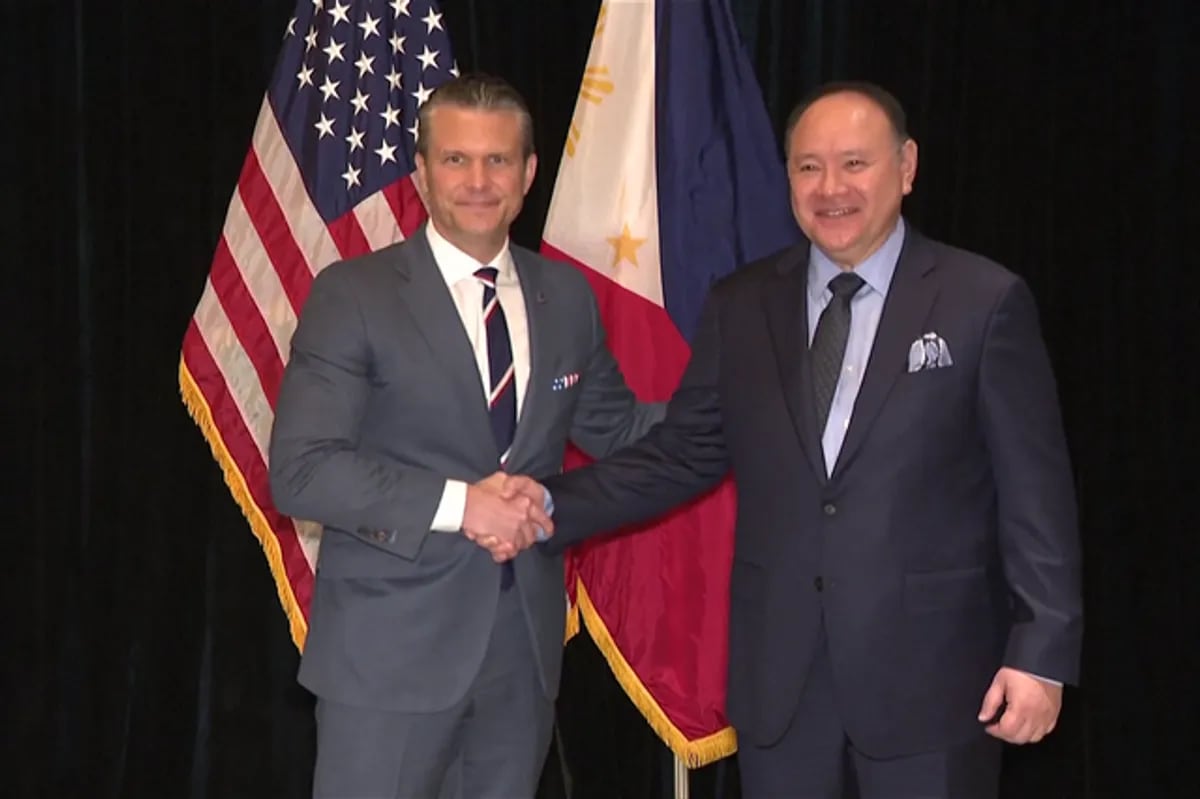
 Teodoro holds talks with US defence chief Hegseth at Shangri-La Dialogue in Singapore
KillBait - News highlights delivered clearly and responsibly—no clickbait, no sensationalism
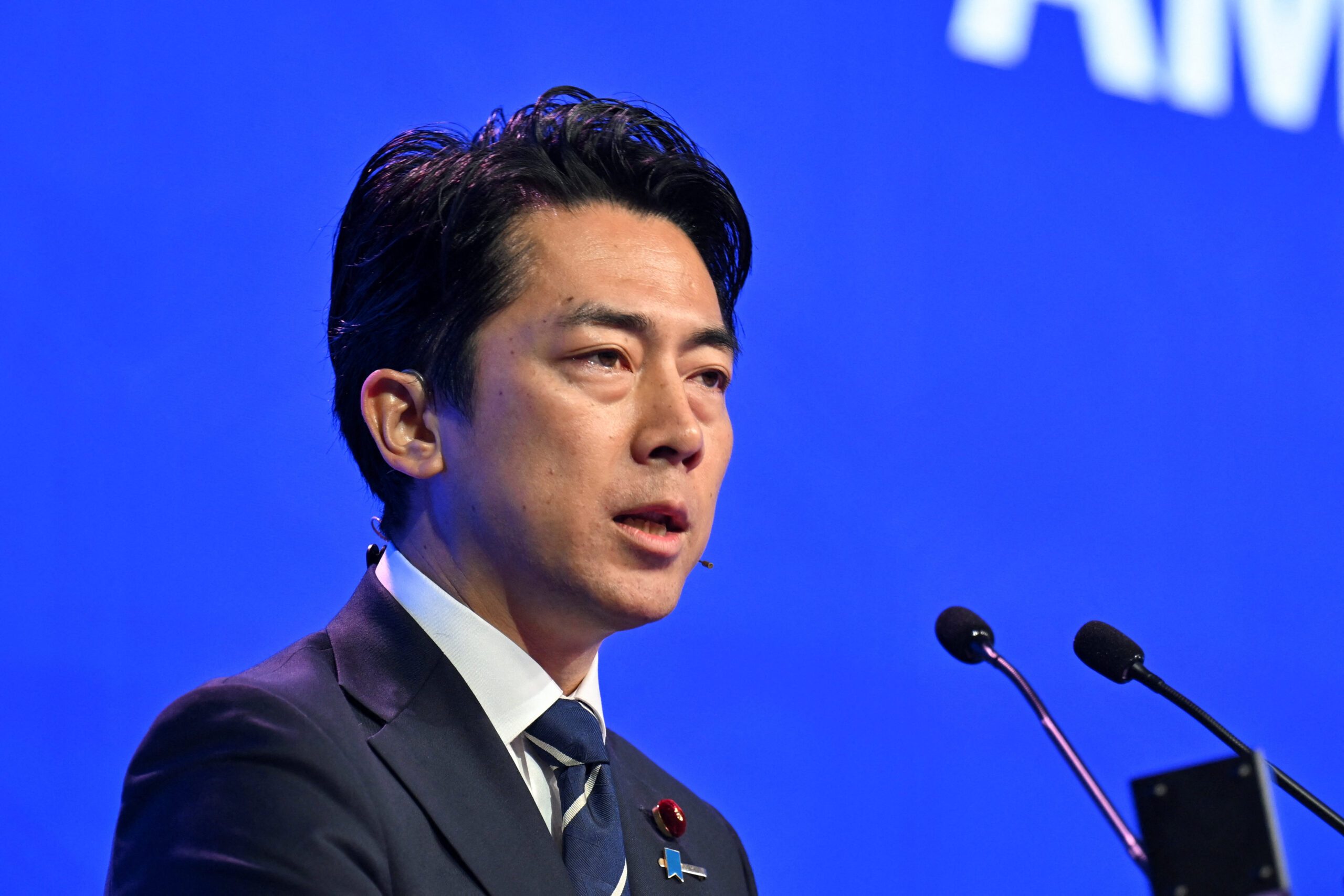
Photo: RAPPLER
2026-05-31 10:07 Geopolitics 10 


Japan rejects ‘new militarism’ claims and warns of China’s rapid military expansion at Singapore summit
At the Shangri-La Dialogue security summit in Singapore, Japan’s Defense Minister Shinjiro Koizumi firmly rejected accusations that Tokyo is embracing “new militarism,” while at the same time raising serious concerns about China’s growing military capabilities and lack of transparency.
Koizumi stressed that China’s expanding defence spending and military activities are a matter of concern not only for Japan but for the broader international community.
Responding to criticism from Beijing, Koizumi pointed out what he described as inconsistencies in the accusations, highlighting that China possesses nuclear weapons and strategic bombers, while Japan maintains a strictly defensive posture without such capabilities.
He argued that Japan’s post–World War Two record demonstrates consistent adherence to international law, the United Nations Charter, and a commitment to maintaining a free and open international order.
Tensions between the two countries were further reflected at the forum, where Chinese officials reiterated criticism of Japan’s security policies and historical legacy.
A Chinese delegate questioned Japan’s credibility in defence cooperation discussions, citing unresolved historical issues from wartime actions in Asia.These exchanges underline the deep mistrust that continues to shape regional dynamics.Koizumi also expressed disappointment that no meeting took place with his Chinese counterpart, noting however that Japan remains open to dialogue.He reaffirmed Tokyo’s willingness to engage with China and other regional actors to promote stability.Meanwhile, China’s absence from high-level bilateral engagement at the summit was also noted, as its Defence Minister again skipped the event.
Japan further signalled its intention to strengthen its role in regional defence cooperation, including expanding defence exports following a major overhaul of export restrictions.Koizumi emphasised that Japan seeks a region free from coercion and misinformation, and one that is resilient to external pressure.
The remarks reflect growing geopolitical competition in the Asia-Pacific, particularly amid ongoing tensions surrounding Taiwan and regional security balances.
2186
Original title: Japan rejects ‘new militarism,’ accuses China of rapidly arming
The AI system has determined that this news is not clickbait/sensationalist: : The original title is not strongly clickbait as it reflects the main themes of the article, though it is slightly awkwardly structured and somewhat compressed. It still accurately points to the core issue of Japan-China defence tensions and mutual accusations. This has coincided with the opinion of the majority of users.
You may also be interested in...
Teodoro holds talks with US defence chief Hegseth at Shangri-La Dialogue in Singapore
 AFP reports successful conduct of 3rd PH-US maritime exercise in West Philippine Sea
 Philippine and US Forces Conduct Joint Maritime Drills to Strengthen Defense Cooperation