
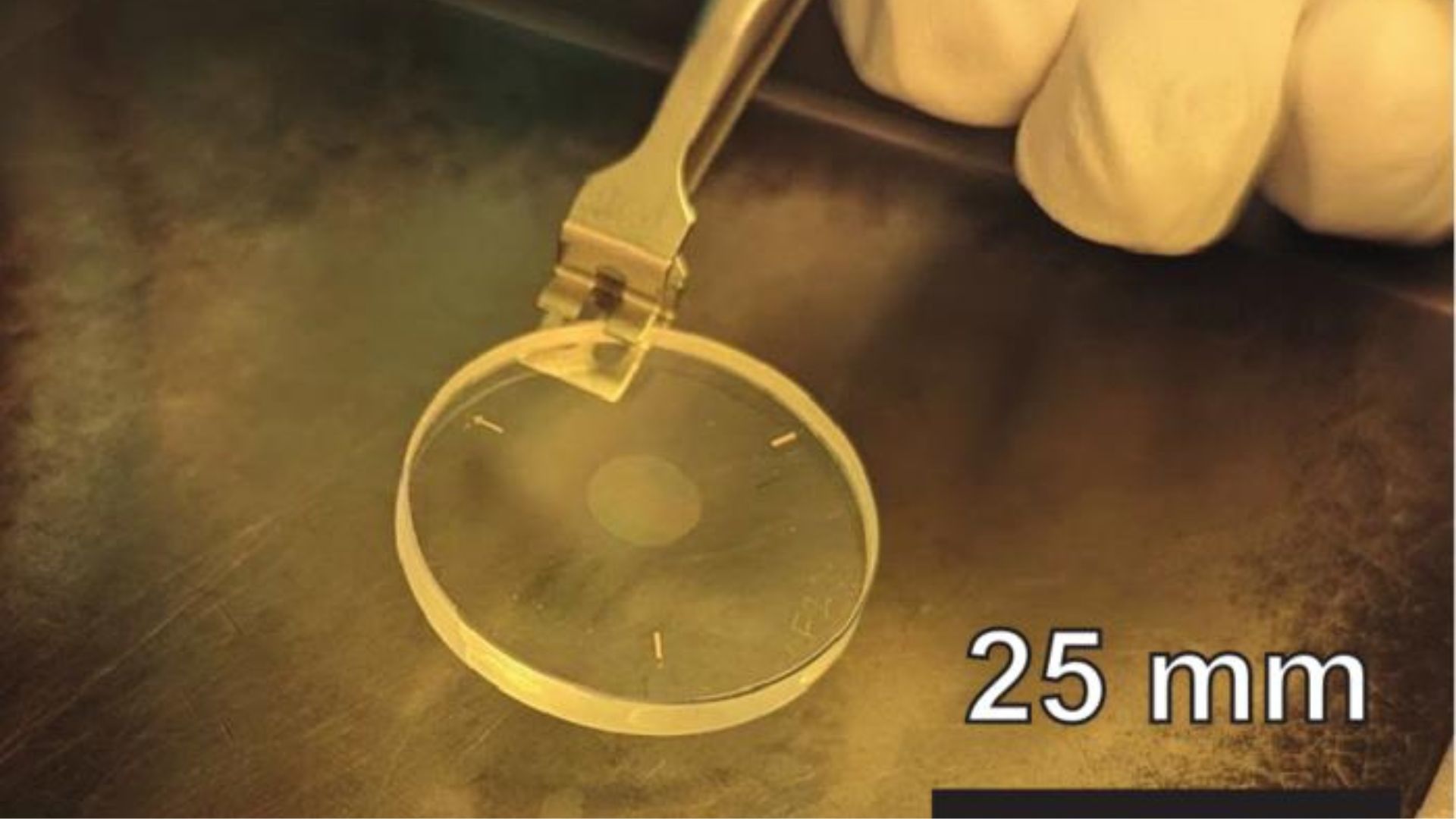
 Space-Qualified 6 mm Metasurface Lens Demonstrates Satellite-Level Solar Magnetic Field Measurements
KillBait - News highlights delivered clearly and responsibly—no clickbait, no sensationalism
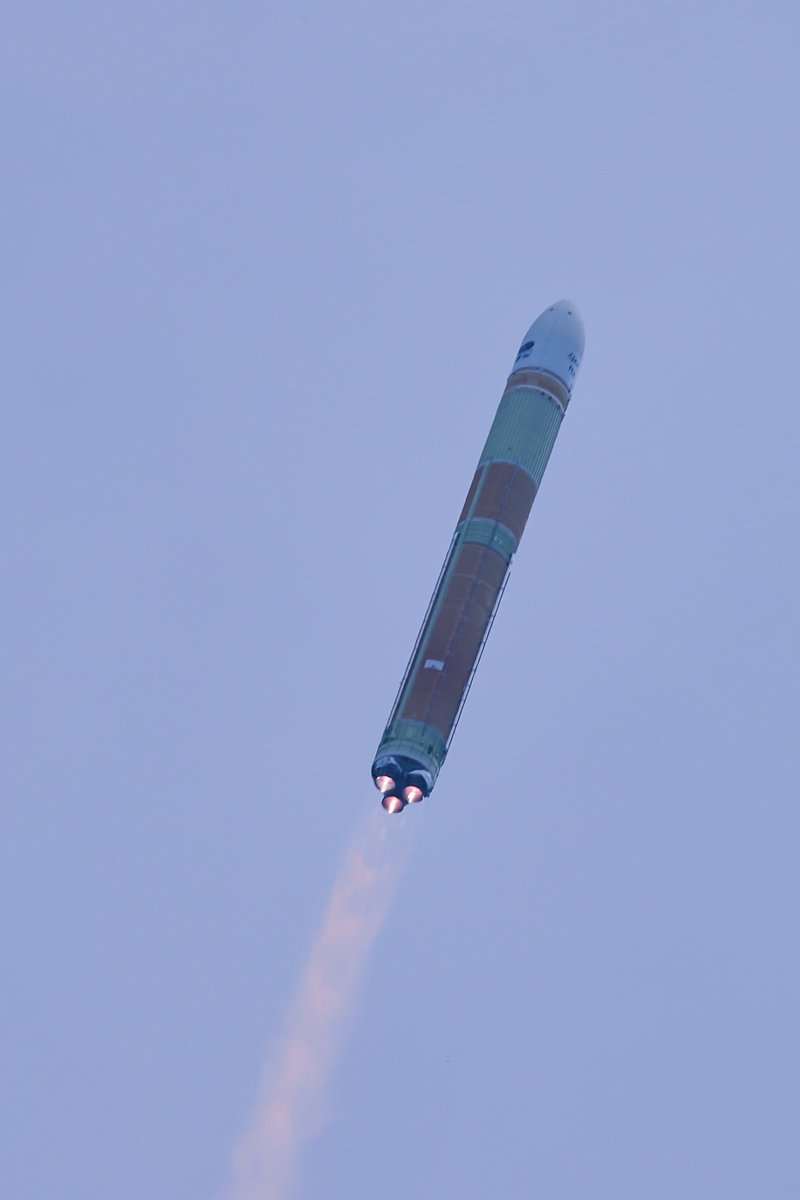
Photo: Eureka
2026-06-13 05:16 Astronomy 12 


Japan Successfully Launches the First H3-30 Rocket Variant on Test Mission Carrying Six Small Satellites
Japan’s space agency, JAXA, successfully launched the eighth H3 rocket on June 12, 2026, in the Flight 6 (F6) mission from the Yoshinobu Launch Complex at the Tanegashima Space Center.The mission was significant for two reasons.
First, it marked the return of the H3 program following the previous mission’s failure, which was caused by a structural collapse of the payload adapter that damaged the second stage hydrogen tank.
Second, it was the debut flight of the new H3-30 configuration, a version that operates without SRB-3 solid rocket boosters and instead uses three LE-9 liquid-fueled engines on its first stage.As a test flight, the rocket carried six small satellites and an experimental payload.
These included the University of Tokyo’s Earth observation satellite PETREL, the French cubesat BRO-22, the STARS-X satellite designed to deploy a one-kilometer tether in orbit, the HORN-L and HORN-R satellites intended to test drag sail technology, and VERTECS, a satellite for astronomical observations.The mission successfully inserted its payloads into a near-polar orbit of approximately 551 by 576 kilometers with a 97.7-degree inclination.
Following the retirement of the Delta IV Heavy, the H3-30 has become the only operational launch vehicle that relies exclusively on liquid hydrogen and liquid oxygen engines across all stages without solid rocket boosters.
The new variant is lighter and less powerful than other H3 configurations but is designed to place up to three metric tons into sun-synchronous orbit.JAXA plans further upgrades to the H3 family, including a larger second stage known as Block 3.
The successful mission restores confidence in Japan’s primary launch vehicle, which is expected to support future scientific missions, cargo spacecraft launches, weather satellites, and navigation systems.
2224
Original title: Primer lanzamiento del cohete japonés H3 en la versión H3-30
The AI system has determined that this news is not clickbait/sensationalist: : The original title is descriptive and factual. It accurately states the main event of the article without using sensational language, exaggeration, or misleading claims. This has coincided with the opinion of the majority of users.
You may also be interested in...
Space-Qualified 6 mm Metasurface Lens Demonstrates Satellite-Level Solar Magnetic Field Measurements
 NASA Announces Artemis III Test Mission Crew Featuring ESA Astronaut Luca Parmitano
 China Begins Infrastructure Development for the CZ-9 Super Heavy Rocket with Potential Support for Extremely Large Payload Fairings