
 Mitra Samal's Poetry Explores Memory, Desire, and Emotional Intimacy
KillBait - News highlights delivered clearly and responsibly—no clickbait, no sensationalism
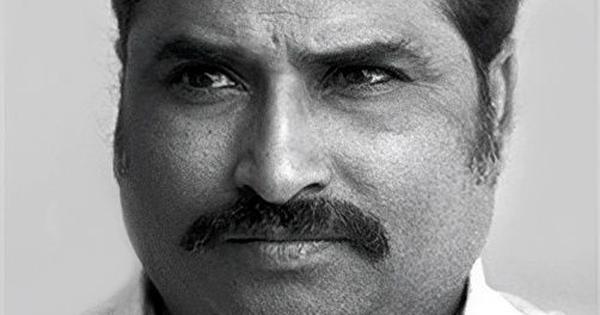
Photo: Scroll.in
2026-07-14 01:52 Literature 15


Kannada Play 'This Dying Emperor' Explores Mughal Decline and Political Intrigue
The article presents an excerpt from P Lankesh's Kannada play, translated into English, titled 'This Dying Emperor Possesses Neither Army Nor Throne.
' The play delves into the twilight of the Mughal Empire, focusing on Nizam-ul-Mulk, a Mughal Diwan grappling with political instability and personal despair.
Through dialogue between Nizam-ul-Mulk and his servant Hamid, the narrative highlights the empire's internal decay, betrayal, and the struggle for power.
Nizam-ul-Mulk fears Nadir Shah's wrath and seeks counsel from loyal servants Afzal and Pasha, who reveal the Mughal King's incapacitation and Nadir's erratic behavior.
The play critiques the corruption and fragility of imperial authority, using vivid metaphors like the burnt turkey and the vanished woman to symbolize exploitation and marginalization.It underscores themes of loyalty, fear, and the collapse of a once-mighty regime, offering a poignant commentary on historical power dynamics.The excerpt captures the tension between personal agency and systemic collapse, making it a powerful reflection on governance and human frailty.
2273
Original title: Kannada writer P Lankesh’s play in translation: This dying emperor possesses neither army nor throne
The AI system has determined that this news is not clickbait/sensationalist: : The original title is informative about the play's content rather than sensational, focusing on historical themes rather than clickbait tactics. This has coincided with the opinion of the majority of users.
You may also be interested in...
Mitra Samal's Poetry Explores Memory, Desire, and Emotional Intimacy
 John Steinbeck's 'East of Eden' and Its Enduring Literary Controversy
 Exploring Sachidanandan's Poetic Resistance Against Social Inequality