
 Opposition Questions President Ruto's Relationship with Zimbabwean Businessman Wicknell Chivayo
KillBait - News highlights delivered clearly and responsibly—no clickbait, no sensationalism
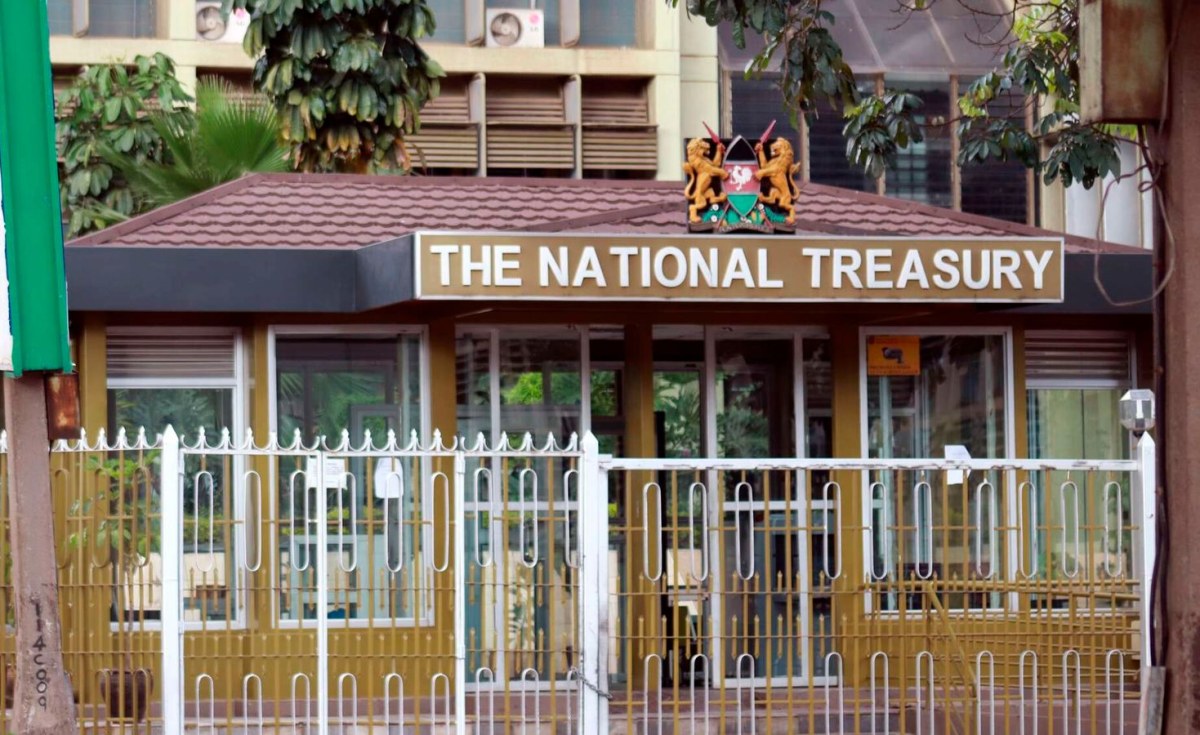
Photo: allAfrica.com
2026-06-11 15:48 Politics 10 


Kenyan Opposition Proposes Alternative 2026/27 Budget and Criticises Government Spending Plans
Kenya's opposition coalition, operating under the United Alternative Government banner, has launched an alternative economic proposal dubbed the 'People's Budget' ahead of the 2026/27 national budget presentation.
Led by Wiper Party leader Kalonzo Musyoka and supported by Rigathi Gachagua, Justin Muturi and Fred Matiang'i, the coalition argued that the government's planned KSh4.82 trillion budget places excessive pressure on taxpayers while increasing the country's debt burden.According to the opposition, projected government revenue of KSh3.63 trillion leaves a deficit exceeding KSh1 trillion, which would require further borrowing.The coalition warned that continued borrowing could create long-term financial challenges for future generations.
Opposition leaders criticised what they described as insufficient funding for education programmes, including Free Primary Education, Junior Secondary School and Free Day Secondary Education, claiming that parents are increasingly being forced to meet costs that should be covered by the State.
They also linked challenges in schools, including unrest incidents, to inadequate investment in student welfare, mental health support and safety infrastructure.
In the health sector, the coalition criticised the Social Health Authority (SHA), arguing that despite mandatory contributions, the system has not delivered efficient healthcare services and continues to face operational difficulties.
The opposition also opposed several tax measures contained in the Finance Bill 2026, including a proposed 16 percent VAT on mobile money transaction fees and a 25 percent excise duty on mobile phones upon activation.As an alternative, the coalition proposed a KSh4.
32 trillion budget focused on reducing the fiscal deficit through spending controls, improved efficiency and stronger revenue collection rather than new taxes.
Additional proposals include increased funding for education and healthcare, restoration of programmes such as Linda Mama and Edu Afya, an KSh80 billion youth employment programme, abolition of the Affordable Housing Levy, and the creation of a Single Treasury Account to improve accountability and reduce corruption.
2187
Original title: Opposition Unveils 'People's Budget', Accuses Ruto Govt of Economic Mismanagement
The AI system has determined that this news is not clickbait/sensationalist: : The original title accurately reflects the main subject of the article and does not use exaggerated, sensational or misleading language to attract clicks. This has coincided with the opinion of the majority of users.
You may also be interested in...
Opposition Questions President Ruto's Relationship with Zimbabwean Businessman Wicknell Chivayo
 IEC Outlines Special Voting Rules Ahead of South Africa's Local Elections as Court Cases and Kenya Trade Talks Continue
 Ida Odinga Talks to Maurice Ogeta During Gor Mahia Trophy Visit