
 Dwight Ramos Commends Gilas Pilipinas' Resilience After Double-Overtime Defeat to New Zealand
KillBait - News highlights delivered clearly and responsibly—no clickbait, no sensationalism
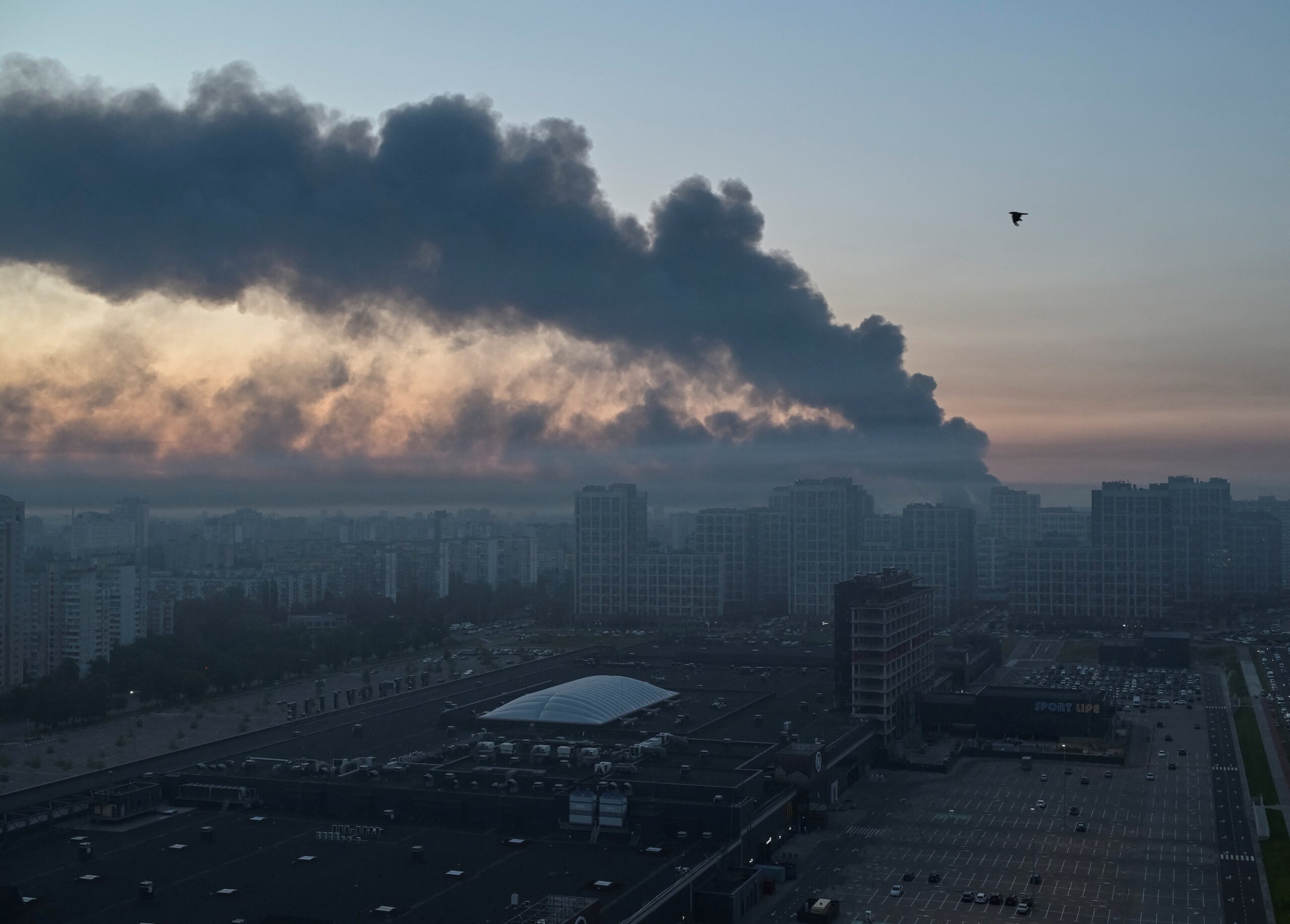
Photo: RAPPLER
2026-07-03 00:23 Conflict 21 


Large-scale Russian missile and drone attack on Kyiv leaves multiple casualties and widespread destruction
Russia launched a large-scale aerial assault on Ukraine’s capital Kyiv in the early hours of July 2, 2026, firing hundreds of drones and dozens of missiles in what officials described as one of the most destructive attacks on the city this year.
According to the Ukrainian air force, around 74 missiles and 496 drones were used in the strike, with air defences struggling to intercept a significant number of ballistic missiles.
The attack killed at least 18 people and injured more than 90 others, including children, emergency responders, and civilians caught in residential areas.
The bombardment caused extensive damage across Kyiv, hitting more than 20 sites and destroying or severely damaging multiple apartment buildings, infrastructure facilities, and a medical research institute.Fires broke out across the city as residents took shelter in metro stations and underground bunkers during continuous explosions.
Kyiv Mayor Vitali Klitschko declared July 3 a day of mourning, stating that the impact of the attack was felt across the entire city of roughly 3 million people.
Ukrainian President Volodymyr Zelenskyy condemned the strikes and highlighted urgent needs for stronger air defence systems, particularly Patriot missiles.The Russian Defence Ministry claimed the attack targeted military and energy infrastructure in response to Ukrainian strikes on Russian territory.
Meanwhile, European Union officials condemned the assault and signalled potential new sanctions on entities supporting Russia’s military capabilities.Poland briefly scrambled fighter jets, and Finland temporarily restricted airspace as precautionary measures.The incident comes amid escalating cross-border attacks between both countries, further intensifying the ongoing conflict.
2344
Original title: Russia bombards Kyiv in major strike, at least 18 people killed
The AI system has determined that this news is not clickbait/sensationalist: : The original title is factual and directly describes the event, including the location, action, and casualty count. It does not use exaggerated language or emotional framing typical of clickbait headlines. This has coincided with the opinion of the majority of users.
You may also be interested in...
Dwight Ramos Commends Gilas Pilipinas' Resilience After Double-Overtime Defeat to New Zealand
 Senate, PNP conduct security inspection ahead of Vice President Sara Duterte impeachment trial
 Star Magic artists talk about their aspirations and future goals