
 Indian Man Convicted of Murder After Stabbing Wife in Canada
KillBait - News highlights delivered clearly and responsibly—no clickbait, no sensationalism

Photo: nationalpost
2026-07-03 17:26 Justice 10 


Legal battle over refugee status for Turkish man with violent criminal history
A Turkish man with a history of violent crimes faces renewed legal challenges after a Canadian immigration tribunal ruled his initial refugee claim was denied.
The case centers on whether his 2010 conviction for causing non-life-threatening injuries to two individuals in Turkey meets the threshold for 'serious crime' under Canadian law.
The fourth panel of the Refugee Appeal Board (RAD) initially upheld the decision, citing his three-and-a-half-year prison sentence in Turkey as insufficient to meet the ten-year minimum sentencing benchmark.
However, the court's ruling was deemed legally flawed for failing to properly analyze how his actions would be assessed under Canadian sentencing guidelines.
The judge emphasized that the RAD must consider where in the applicable sentencing range his conduct would fall, rather than relying solely on aggravating factors.
This decision mandates a remand to a different RAD panel for further review, highlighting ongoing tensions in balancing humanitarian considerations with legal standards for refugee status determinations.
The case underscores complex legal interpretations of criminal severity across jurisdictions and raises questions about the fairness of applying foreign sentencing records to Canadian immigration law.
2186
Original title: Turkish man who shot two people gets another chance to stay in Canada 10 years after refugee claim first denied
The AI system has determined that this news is clickbait/sensationalist: : The original title uses emotionally charged language ('another chance', '10 years after') to sensationalize the story, which is more attention-grabbing than factual. This has coincided with the opinion of the majority of users.
You may also be interested in...
Indian Man Convicted of Murder After Stabbing Wife in Canada
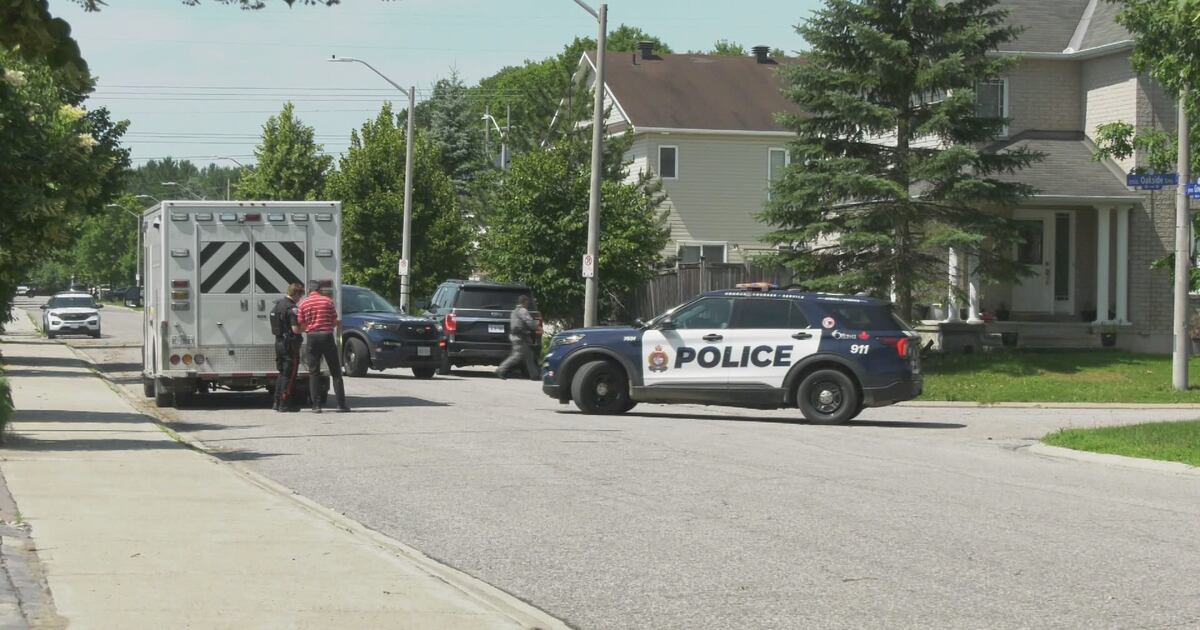 Ottawa police rescue woman after 14-hour hostage ordeal at residential home
 Montreal police investigate multiple alleged sexual assaults on metro and bus system, seek additional victims