
 Tanzania strengthens environmental protection through reforms, clean energy push, and tree-planting drive
KillBait - News highlights delivered clearly and responsibly—no clickbait, no sensationalism

Photo: Tanzania Insight
2026-06-01 09:43 Environment 10 


Lesotho expands clean energy access, reaching 147,000 people in rural electrification drive
Lesotho has made important progress in improving access to electricity through its Clean Energy Access Transformation initiative, which has now benefited more than 147,000 people across the country.
The programme is mainly focused on rural electrification, targeting communities that have historically been left behind due to difficult terrain and the high cost of extending the national grid.Much of Lesotho’s population lives in mountainous and remote areas, making traditional infrastructure expansion slow and expensive.To overcome these challenges, the initiative uses clean and renewable energy solutions such as solar power systems and other off-grid technologies.These solutions are designed to suit the country’s geography and provide faster access to electricity compared to conventional grid extension.
The programme is part of a wider effort to reduce energy poverty and support sustainable development while also contributing to climate change mitigation by relying on cleaner energy sources.The impact of this electrification drive is significant for households and communities.Families now have better access to lighting, allowing children to study at night and improving education outcomes.Small businesses are also benefiting, as electricity enables longer operating hours and improved productivity.Health services in rural clinics are improving too, with the ability to refrigerate medicines and operate essential equipment.In addition, households can now charge mobile phones, improving communication and access to information.
Before this initiative, many rural communities depended heavily on traditional biomass fuels such as wood, which often led to environmental degradation and health issues from indoor smoke.The new clean energy approach is helping reduce these negative effects while improving quality of life.
The success of the programme highlights the importance of partnerships between government, private sector actors, and international development organisations in addressing infrastructure gaps.Moving forward, maintaining the systems and expanding coverage to remaining unelectrified areas will be key for long-term sustainability.
Full reading at Tanzania Insight
2186
Original title: Lesotho Powers 147,000 People Through Clean Energy Access Initiative
The AI system has determined that this news is not clickbait/sensationalist: : The original title is factual and descriptive, clearly stating the initiative and its impact without sensational language or exaggerated claims. This has coincided with the opinion of the majority of users.
You may also be interested in...
Tanzania strengthens environmental protection through reforms, clean energy push, and tree-planting drive
 Kidunda Dam project reaches 50.3% completion as government reports major progress on water supply initiative
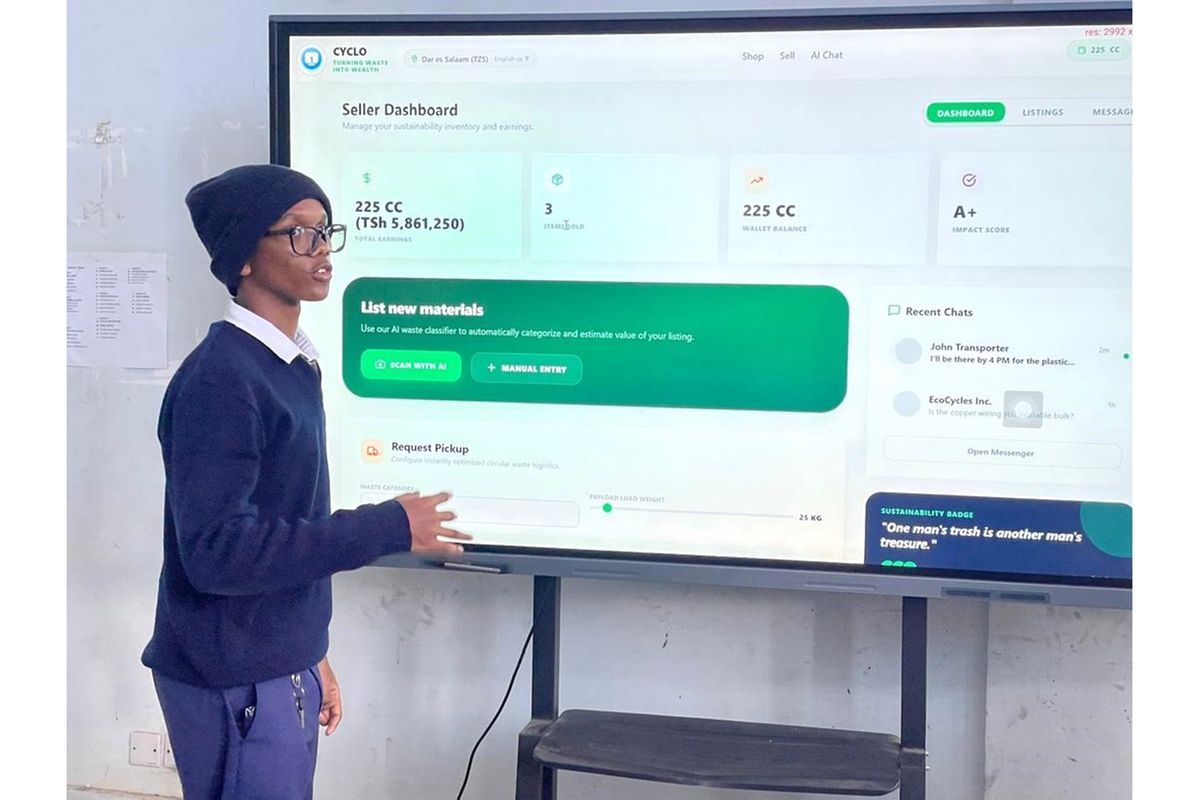 Arusha students develop digital platform to improve waste management and recycling in Tanzania