
 Islamabad High Court halts NHA's additional toll collection on non-M-Tag users
KillBait - News highlights delivered clearly and responsibly—no clickbait, no sensationalism
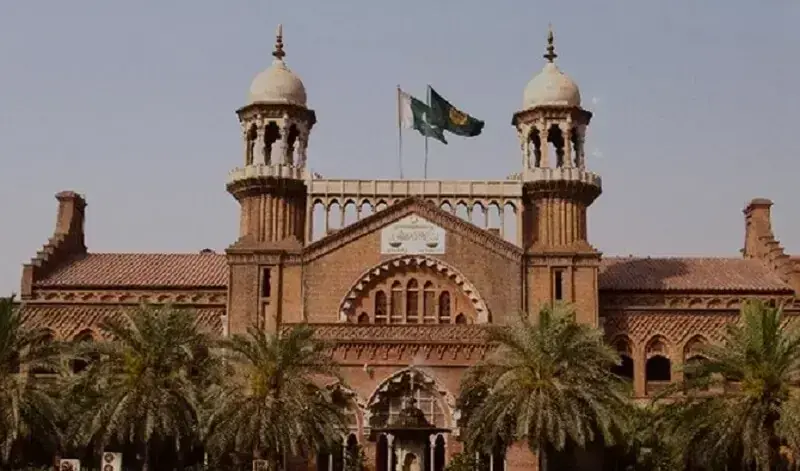
Photo: dawn.com
2026-07-04 08:48 Justice 10 


LHC rules courts must assess full context in marriage dispute cases
The Lahore High Court (LHC) has issued a landmark ruling stating that courts cannot rely solely on documentary evidence like nikahnama (marriage certificates) to resolve marriage disputes.
In a case involving allegations of abduction and forced marriage, Justice Anwaar Hussain emphasized that the entire chain of surrounding circumstances must be examined to determine the validity of a marriage.The court dismissed a petition challenging an appellate court's decision that favored a woman claiming she was forced into marriage.
The judgement highlighted that while documents like nikahnama or harassment petitions may initially support a claim, they are not conclusive if the marriage's foundation is questioned.The court stressed that the authenticity of consent must be assessed through all relevant circumstances before and after the marriage.
The ruling also noted that mere belonging to the same bradari (caste) does not legally validate a marriage, and parties must demonstrate a consensual relationship.
The decision underscores the importance of evaluating the entire context rather than relying on single pieces of evidence in complex marital disputes.
2186
Original title: Courts must not rely solely on nikahnama in marriage disputes: LHC
The AI system has determined that this news is not clickbait/sensationalist: : The original title is factual and reports a court decision without sensationalism. This has coincided with the opinion of the majority of users.
You may also be interested in...
Islamabad High Court halts NHA's additional toll collection on non-M-Tag users
 UK discusses deporting convicted Rochdale grooming gang leader to Pakistan
 lahore court grants 5-day remand for suspects in foreign nationals' assault case