
 Nepal Engages UK and China for Dialogue on Lipulekh Pass Dispute with India
KillBait - News highlights delivered clearly and responsibly—no clickbait, no sensationalism
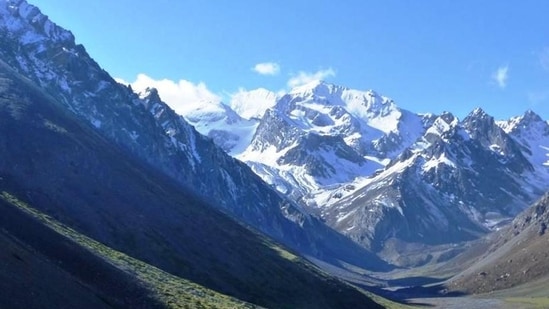
Photo: Hindustan Times
2026-06-01 01:12 Geopolitics 10 


Lipulekh Pass Dispute: India–Nepal Border Tensions Over Historic Boundary and Kailash Mansarovar Route
The Lipulekh Pass, situated in the high Himalayas at the trijunction of India, Nepal and China, has once again become a focal point of diplomatic tension between India and Nepal.
The pass, located in the Kumaon region of Uttarakhand, serves as an important route for Indo-China trade and the Kailash Mansarovar Yatra pilgrimage to Mount Kailash and Lake Mansarovar in Tibet.
The dispute between India and Nepal over this region dates back to the Sugauli Treaty of 1816, which defined the Kali River as the boundary between the two countries.
The core disagreement lies in the identification of the true source of the Kali River, which determines territorial ownership of areas including Lipulekh, Kalapani and Limpiyadhura.
India maintains that these regions are part of Uttarakhand, citing historical administrative control and developments such as infrastructure built by the Border Roads Organisation, including the road connecting Dharchula to Lipulekh inaugurated in 2020.India also refers to its governance of the area since the 1962 war with China.On the other hand, Nepal argues that these territories lie east of the Kali River and therefore fall within Nepali sovereignty.
The disagreement intensified further after India and China agreed in 2015 to use the Lipulekh route for trade and pilgrimage, which Nepal opposed, claiming it was not consulted.Tensions escalated again when Nepal updated its political map in 2020 to include the disputed areas, a move India strongly rejected.In 2026, the issue resurfaced following India and China’s renewed agreement to resume the Kailash Mansarovar Yatra using the Lipulekh route.Nepal has protested this decision, stating that its territorial claims were ignored.The dispute remains unresolved, reflecting deep-rooted historical complexities and continuing geopolitical sensitivities in the region.
Full reading at Hindustan Times
2186
Original title: All about Lipulekh: The key pass that has India and Nepal locked in a 210-year-old dispute | Explained
The AI system has determined that this news is clickbait/sensationalist: : The title uses phrases like 'All about' and 'Explained', which are commonly used in explainer-style headlines to attract clicks by implying a simplified breakdown of a complex geopolitical issue. While informative, it is slightly attention-grabbing in framing, though not highly sensational or misleading. This has coincided with the opinion of the majority of users.
You may also be interested in...
Nepal Engages UK and China for Dialogue on Lipulekh Pass Dispute with India
 Global Leaders Visit China: Visibility Grows, but Influence Remains Limited
 Myanmar President Min Aung Hlaing holds talks with NSA Ajit Doval during first visit to India