
 CTV Ottawa Broadcasts 43rd Annual CHEO Telethon to Benefit Children’s Hospital
KillBait - News highlights delivered clearly and responsibly—no clickbait, no sensationalism
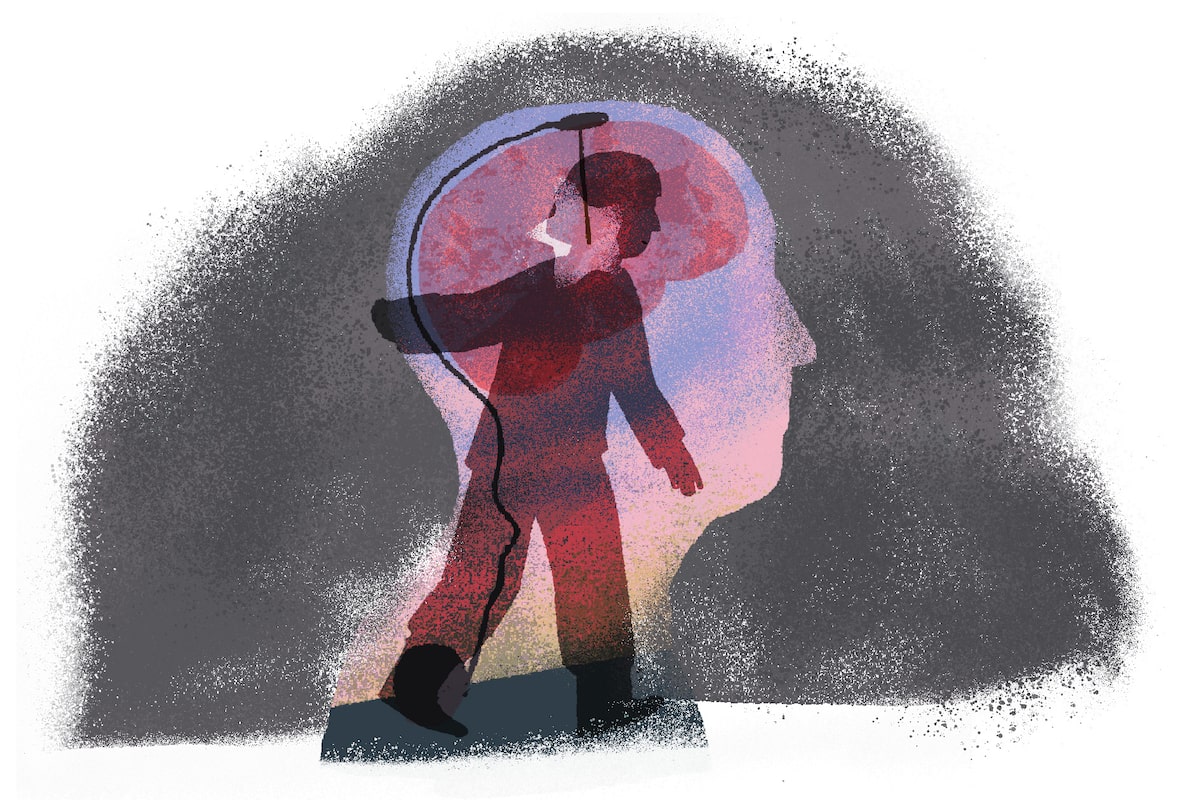
Photo: The Globe and Mail
2026-05-31 22:44 Health 13 


Living with Parkinson’s: How Deep Brain Stimulation Improved My Daily Life
Elizabeth Rigley shares her personal experience with Parkinson’s disease and the impact of deep brain stimulation (DBS) on her life.Diagnosed at 67, she faced the progressive challenges of motor symptoms like tremor, rigidity, and slow movement, which interfered with daily activities, exercise, and social interactions.DBS, a neurosurgical procedure involving the implantation of electrodes in the brain to regulate abnormal activity, offered a potential improvement.Although the idea of brain surgery was initially terrifying, Elizabeth decided to proceed at age 72.The operation, lasting 10 hours with eight hours awake, was physically and emotionally demanding.
Over time, she noticed significant improvements: tremors and rigidity were better controlled, medication requirements decreased, and she regained spontaneity in daily life.Beyond motor symptom relief, DBS also alleviated anxiety about how others perceived her, allowing her to engage more freely and confidently.
While DBS is not a cure and requires careful screening, Elizabeth emphasizes that for selected patients, it can restore agency, confidence, and a measure of freedom in a disease often defined by gradual loss.
Full reading at The Globe and Mail
2243
Original title: Hope Rewired: How deep brain stimulation changed my journey with Parkinson’s disease
The AI system has determined that this news is not clickbait/sensationalist: : The original title accurately reflects the content of the article, describing a personal journey with DBS and Parkinson’s disease without exaggeration or misleading claims. This has coincided with the opinion of the majority of users.
You may also be interested in...
CTV Ottawa Broadcasts 43rd Annual CHEO Telethon to Benefit Children’s Hospital
 Alberta introduces patient-focused funding model for selected surgeries in public hospitals
 Access barriers to assisted dying in Manitoba highlighted by 94-year-old patient’s case