
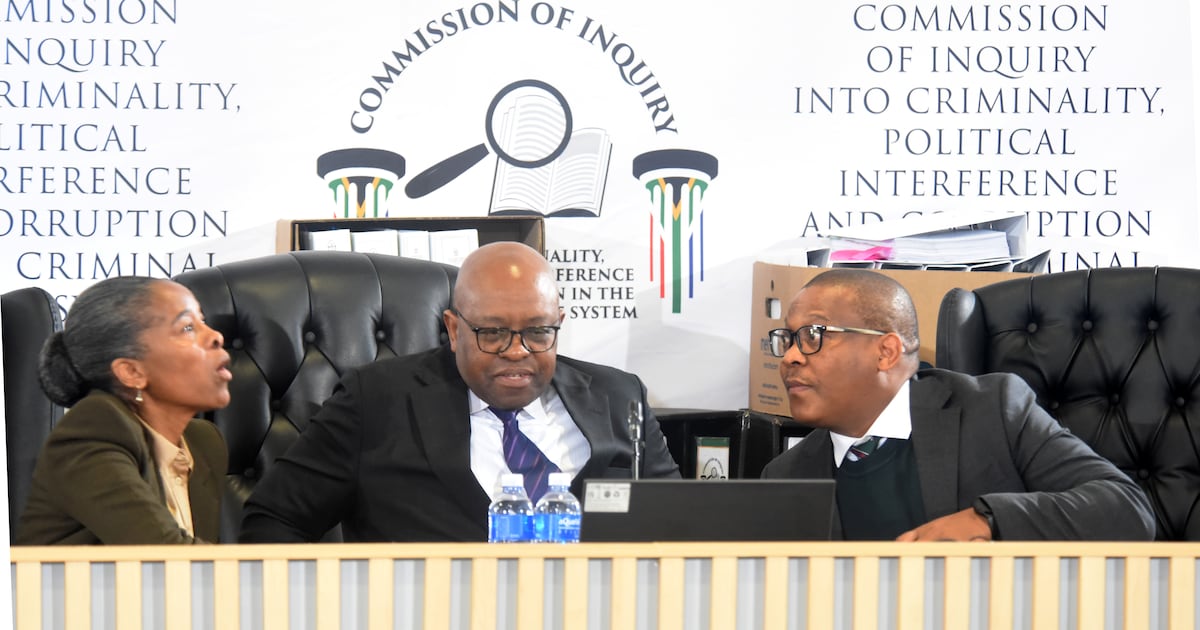
 The Flawed Comparison Between Zondo and Madlanga Commissions: A Call for Contextual Analysis
KillBait - News highlights delivered clearly and responsibly—no clickbait, no sensationalism
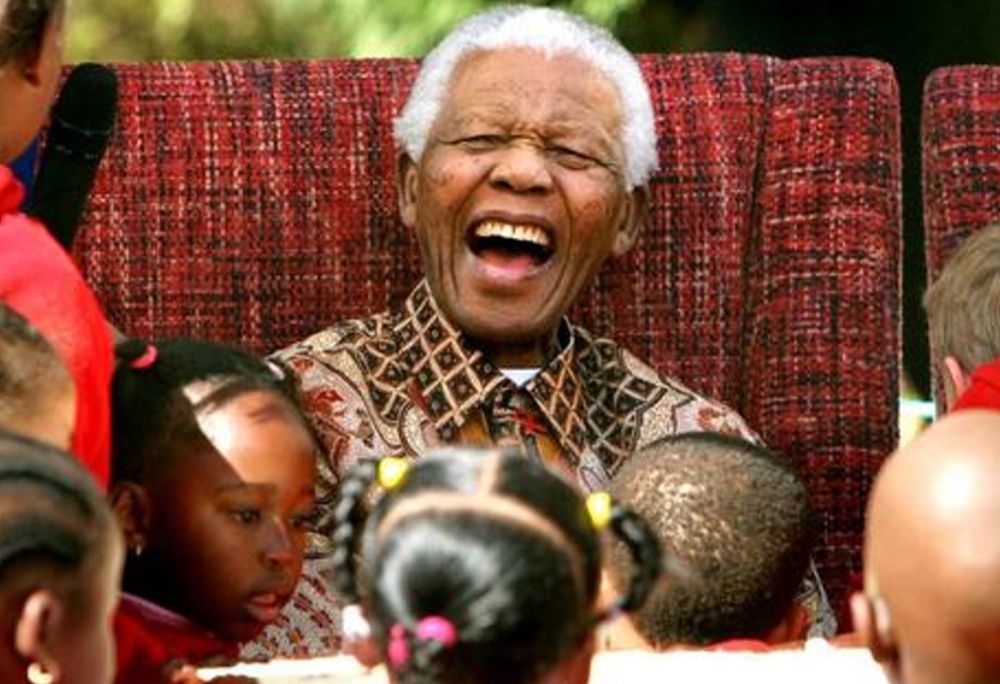
Photo: IOL
2026-07-20 04:33 Opinion 10


Mandela Day's Legacy: Reconciliation and Economic Inequality in Post-Apartheid South Africa
As South Africa commemorates Mandela Day, the article underscores the enduring relevance of Nelson Mandela's vision of reconciliation and service in a nation still grappling with deep socio-economic divides.
Mandela's leadership during the transition from apartheid is highlighted as pivotal in averting civil war, yet the article critiques the incomplete implementation of post-apartheid reforms under successive governments.
The Truth and Reconciliation Commission's recommendations were only partially enacted, leading to stalled prosecutions of apartheid-era crimes and ineffective economic transformation policies like Black Economic Empowerment.These failures have entrenched inequality, with South Africa remaining one of the world's most unequal societies.
While Mandela cannot be held accountable for the shortcomings of his successors, the article argues that Mandela Day serves as a reminder of the need for collective action, compassion, and active citizenship to address systemic issues.The spirit of Ubuntu—emphasizing community and shared humanity—is presented as essential to fostering unity despite ongoing challenges.
2186
Original title: Mandela Day remains relevant in an unequal South Africa
The AI system has determined that this news is not clickbait/sensationalist: : The original title is straightforward and reflective of the article's content, focusing on Mandela Day's relevance rather than sensationalizing events. This has coincided with the opinion of the majority of users.
You may also be interested in...
The Flawed Comparison Between Zondo and Madlanga Commissions: A Call for Contextual Analysis
 University of Venda's Convocation Election Mired in Allegations and Legal Disputes
 A tribute to Sheikh Hamad bin Khalifa Al Thani: Qatar's visionary leader and legacy