
 A Glimpse of London Life in the Early 1960s Through Vintage Photography
KillBait - News highlights delivered clearly and responsibly—no clickbait, no sensationalism
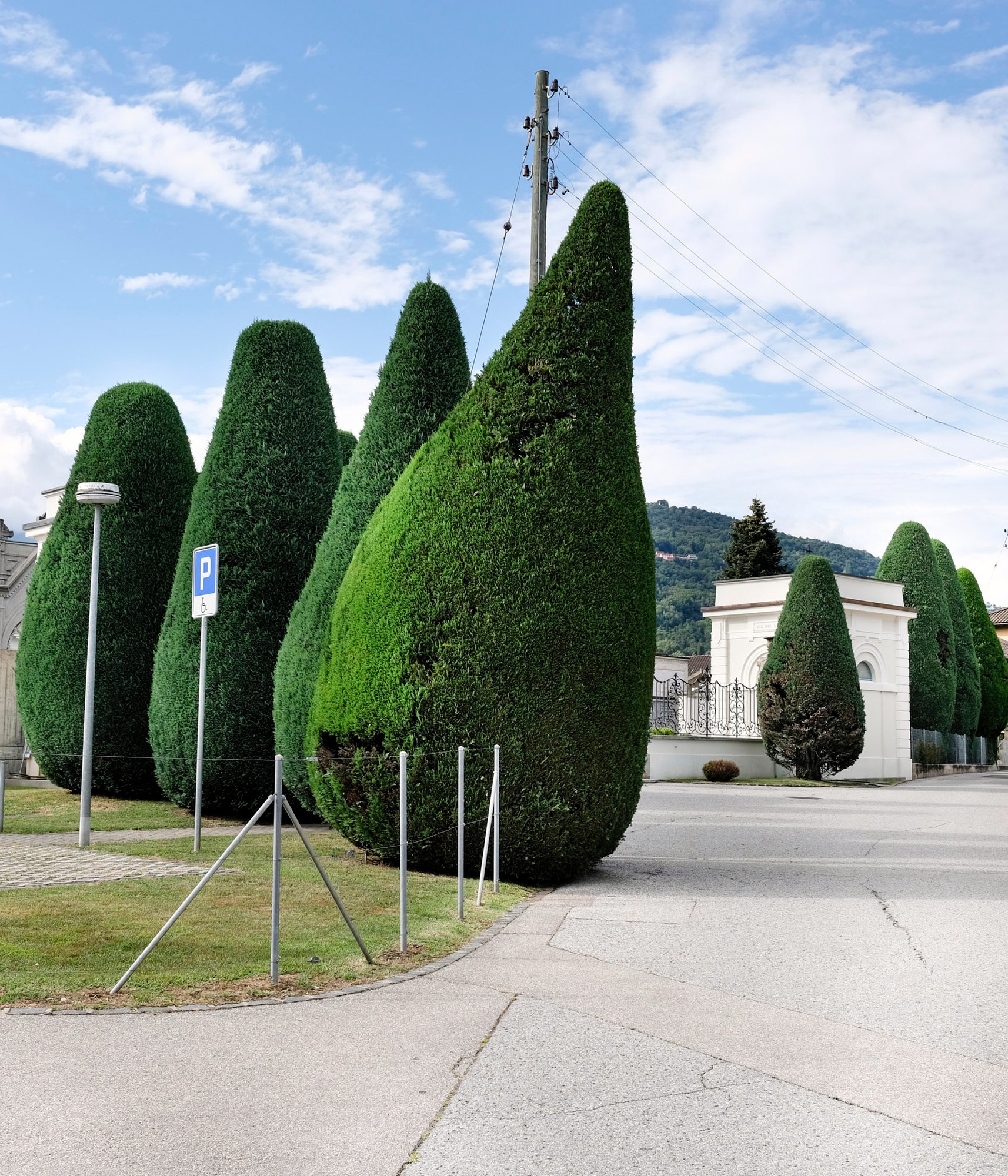
Photo: LensCulture
2026-05-28 15:19 Culture 14 


Matthias Forster’s Photographic Exploration of Human Control and Chance in Everyday Landscapes
This LensCulture feature presents the work of Swiss photographer Matthias Forster and his series titled “Homo Faber and Divine Providence,” which explores the relationship between human control and the unpredictable forces that shape everyday environments.
Through his camera, Forster observes ordinary landscapes and built environments, revealing unexpected moments of tension, humor, and visual contradiction.
The article frames his work around the philosophical idea of “homo faber,” meaning “man the maker,” which emphasizes humanity’s ability to shape the world through tools, labor, and creativity.This concept is contrasted with “divine providence,” representing forces outside human control—whether interpreted as fate, nature, or spirituality.
Forster’s photography sits at the intersection of these two ideas, showing how human ambition and planning often collide with randomness and unintended outcomes.His images capture scenes such as cell towers, nuclear reactors, suburban gardens, industrial structures, and roadside architecture.These elements of modern life are often arranged in ways that produce surprising visual humor or poetic tension.
For example, carefully maintained hedges may appear to cradle industrial facilities, or trees and construction materials may seem oddly synchronized, resembling abstract compositions found in nature.Forster describes his approach as one of wandering and attentive observation, where humor plays a subtle but important role.Rather than using overt satire, he seeks understated irony that encourages viewers to look more closely at familiar surroundings.
His background in architecture informs his eye for structure and spatial relationships, allowing him to highlight how human-built environments reflect both intention and accident.
Ultimately, the series invites viewers to reconsider the everyday world, suggesting that meaning emerges not only from human design but also from chance encounters and overlooked details that quietly shape our perception of place.
2257
Original title: Homo Faber and Divine Providence
The AI system has determined that this news is not clickbait/sensationalist: : The original title is descriptive and thematic, clearly reflecting the artistic series being discussed without sensational language or exaggerated claims. This has coincided with the opinion of the majority of users.
You may also be interested in...
A Glimpse of London Life in the Early 1960s Through Vintage Photography
 Vladimir Khorev’s Subtle Street Photography Series Captures Quiet Moments in Taipei’s Wanhua District
 Stephanie O’Connor Explores Pregnancy and Microchimerism Through Composite Photography in The Waves Came in Like Horses