
 Prime Minister Mark Carney selects Chief Justice Glenn Joyal for appointment to the Supreme Court of Canada
KillBait - News highlights delivered clearly and responsibly—no clickbait, no sensationalism
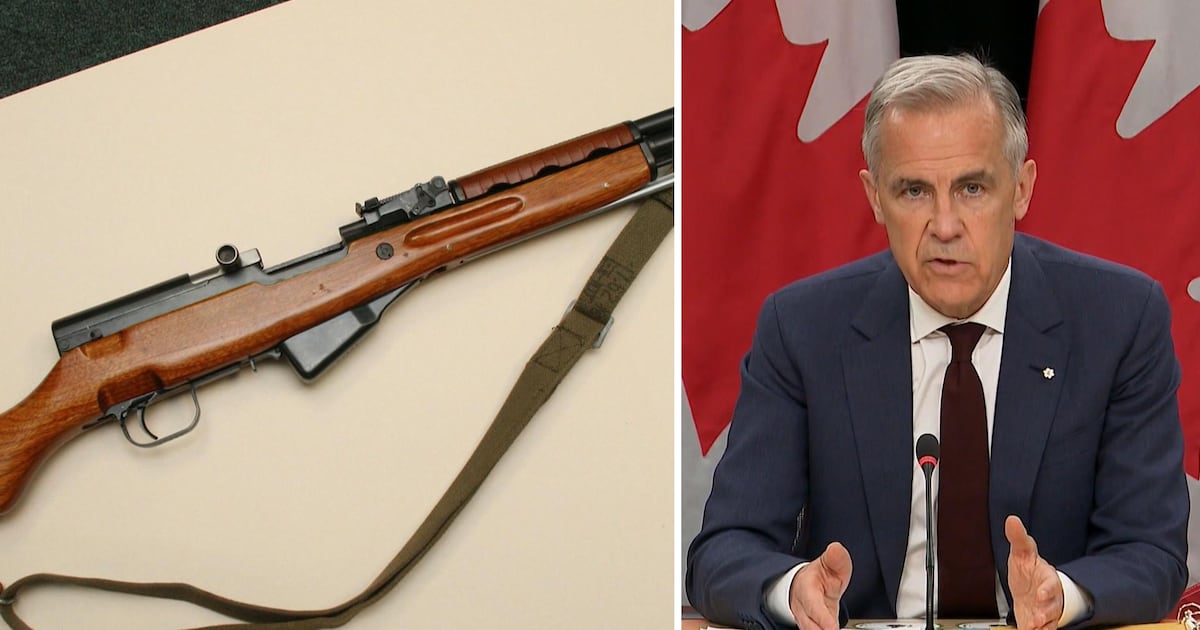
Photo: CTV News
2026-06-26 16:53 Justice 10 


Montreal shooting prompts renewed calls to ban SKS rifle amid gun control debate
A recent shooting in Montreal has reignited debate over firearms regulation in Canada, with advocacy groups once again urging the federal government to prohibit the sale of SKS rifles.
The incident, which left one person seriously injured, has drawn national attention and prompted renewed scrutiny of semi-automatic firearms that remain in circulation despite previous rounds of gun control measures.
In the aftermath, a gun control organisation reiterated its long-standing call for a full ban on SKS rifles, arguing that the weapon’s availability continues to pose a public safety risk.The group pointed to the rifle’s historical use in violent incidents and its accessibility on the civilian market as key concerns.
Authorities have also confirmed that the Montreal shooting is being examined as part of a broader national security investigation into ideological violence.
While officials have not released full details about the motive or circumstances surrounding the attack, the classification highlights growing concern about politically or ideologically motivated acts of violence in Canada.
The SKS rifle, originally designed for military use, has been widely sold in Canada for decades, often as a relatively affordable semi-automatic firearm.However, critics argue that its continued legal status represents a gap in existing firearms legislation.Supporters of stricter controls say that banning the weapon would reduce the risk of mass casualty events and improve public safety.
Opponents of further restrictions typically argue that most firearm owners use such weapons responsibly and that enforcement, rather than prohibition, should be prioritised.
The latest shooting has therefore reignited a familiar national debate over balancing public safety with gun ownership rights, as policymakers and advocacy groups revisit whether additional restrictions on SKS rifles are warranted.
2189
Original title: Montreal shooting renews calls for ban on rifle used by accused
The AI system has determined that this news is not clickbait/sensationalist: : The original title is factual and descriptive, clearly stating the event and the policy response without exaggerated language or sensational wording, so it is not considered clickbait. This has coincided with the opinion of the majority of users.
You may also be interested in...
Prime Minister Mark Carney selects Chief Justice Glenn Joyal for appointment to the Supreme Court of Canada
 Dog reacts jealously while watching another dog eat a hot dog at Miami Marlins game
 Two People Killed in Shooting at Chico, California Library; Suspect Arrested