
 Hunger Strikes in India: From Gandhi to Wangchuk, A Historical Perspective
KillBait - News highlights delivered clearly and responsibly—no clickbait, no sensationalism
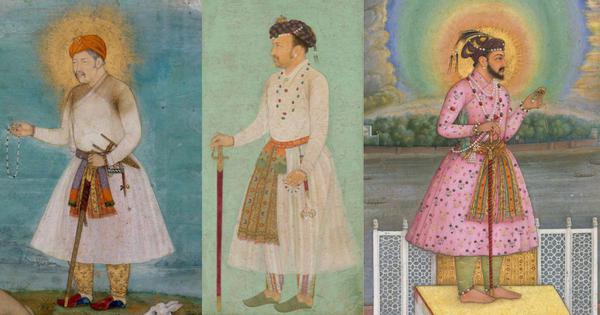
Photo: Scroll.in
2026-07-26 11:17 History 10


Mughal Emperors and the Political Significance of Textile Gifts
The article explores how Mughal emperors like Jahangir and Akbar used textiles as tools for political messaging, diplomacy, and cultural synthesis.Clothing items such as the Nadiri hunting coat, which blended Persian, Chinese, and European designs, were crafted to symbolize imperial power and exclusivity.Gifts like pashmina shawls carried dual meanings—expressing alliance while subtly enforcing loyalty.The Mughal court's textile economy thrived under Akbar, who promoted cotton-silk blends to balance Islamic modesty with regality.
Artworks like the painting of Jahangir embracing Shah Abbas highlight complex relationships with Safavid Iran, where clothing symbolized both rivalry and mutual respect.Decline under Aurangzeb led to artisans dispersing across regional hubs, spreading Mughal techniques while adapting them locally.
Today, garments like the anarkali and churidaar retain echoes of this pluralistic courtly legacy, reflecting a history of syncretism in Indian subcontinent politics.
2187
Original title: How Mughal emperors embraced a syncretic sartorial sensibility
The AI system has determined that this news is not clickbait/sensationalist: : The original title appears to be an incomplete or fragmented sentence, likely a formatting error rather than clickbait. The content's focus on historical analysis and cultural practices makes it non-sensational. This has coincided with the opinion of the majority of users.
You may also be interested in...
Hunger Strikes in India: From Gandhi to Wangchuk, A Historical Perspective
 Socrates' Unusual Habit: Standing Still for Hours in Deep Thought
 Protests over exam paper leaks escalate with police firings and legal actions across states