
 The 13th Dalai Lama's 1910 Escape to India and His Return to Tibet
KillBait - News highlights delivered clearly and responsibly—no clickbait, no sensationalism
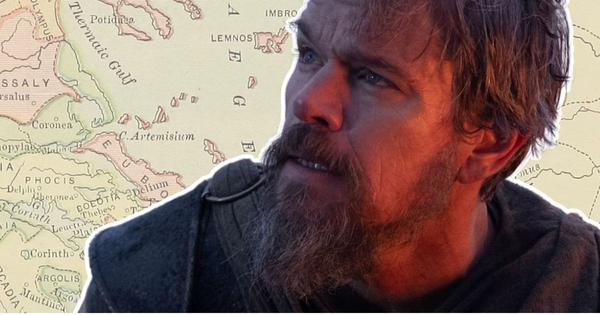
Photo: Scroll.in
2026-07-18 00:28 History 10


Myths and Real-World Locations Intersect in Ancient Maps of Odysseus's Journey
The article explores how ancient maps blended myths with real-world geography, focusing on Homer's Odyssey.It discusses how scholars have debated the locations of mythical places like Circe's island and Calypso's domain, linking them to real-world sites such as Sicily and the Mediterranean.
Ptolemy's 150BC maps included Homeric locations, while 16th-century cartographer Abraham Ortelius depicted Odysseus's journey as scientific facts.Debates over Ithaca's location highlight the tension between myth and history, with scholars proposing sites like Paliki in Greece.
The piece emphasizes that ancient maps reflected both geographical knowledge and cultural imagination, revealing how ancient Greeks perceived the world as mysterious and perilous.
The article underscores the Odyssey's role in shaping understanding of geography, identity, and belonging, framing it as a lens to explore ancient vulnerabilities and fears.
2189
Original title: Tracing Odysseus’s journey shows myths and the real world overlapped in maps of the ancient world
The AI system has determined that this news is not clickbait/sensationalist: : The original title is informative and academic, not sensationalist or clickbait. It accurately reflects the article's focus on historical analysis. This has coincided with the opinion of the majority of users.
You may also be interested in...
The 13th Dalai Lama's 1910 Escape to India and His Return to Tibet
 Adivasi identity and resistance: A historical analysis of cultural preservation in India
 CRISIL Upgrades Vedanta Group Companies, Reflecting Stronger Financial Position