
 Key Factors Donors Consider Before Funding Research Institutions
KillBait - News highlights delivered clearly and responsibly—no clickbait, no sensationalism
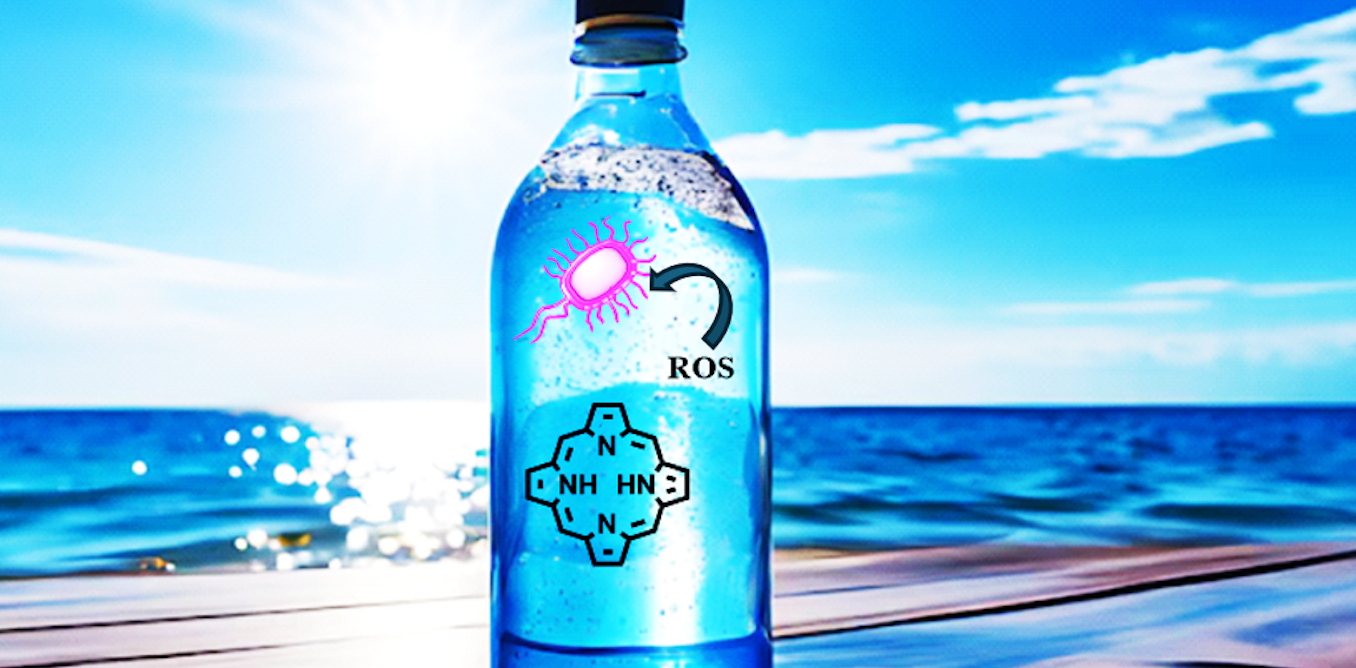
Photo: The Conversation
2026-07-07 07:44 Science 10


Nanotechnology offers solution to bacterial buildup in stored water
The article discusses how storing drinking water in containers can lead to the growth of harmful bacterial biofilms, which are difficult to eliminate with traditional disinfectants.Scientists are exploring nanotechnology as a potential solution, focusing on light-activated chemicals that can destroy microorganisms.
Researchers Lijo Mona and Muthumuni Managa highlight that nanoparticles, when exposed to sunlight, generate reactive oxygen molecules that damage bacterial cells, preventing biofilm formation.This method is particularly important in South Africa, where many rural areas face water shortages and rely on stored water from polluted sources.
The review emphasizes that while nanotechnology shows promise, challenges remain, such as effectiveness against certain bacteria and ensuring safety from toxic byproducts.Future research aims to improve these methods for real-world applications, ensuring safer water storage systems.
Full reading at The Conversation
2186
Original title: Stored water can develop slimy bacterial films: nanotechnology may be a solution
The AI system has determined that this news is not clickbait/sensationalist: : The original title is informative and not overly sensational, focusing on a scientific solution rather than exaggerating the problem. This has coincided with the opinion of the majority of users.
You may also be interested in...
Key Factors Donors Consider Before Funding Research Institutions
 Tinubu Directs FCCPC to Investigate Tech Giants and AI Platforms Over Anti-Competitive Practices
 Ali Modu Sheriff Praises Tinubu’s Policies for Nigeria’s Progress