
 Historic Venus Mission Reveals First Surface Transmission from Another Planet
KillBait - News highlights delivered clearly and responsibly—no clickbait, no sensationalism
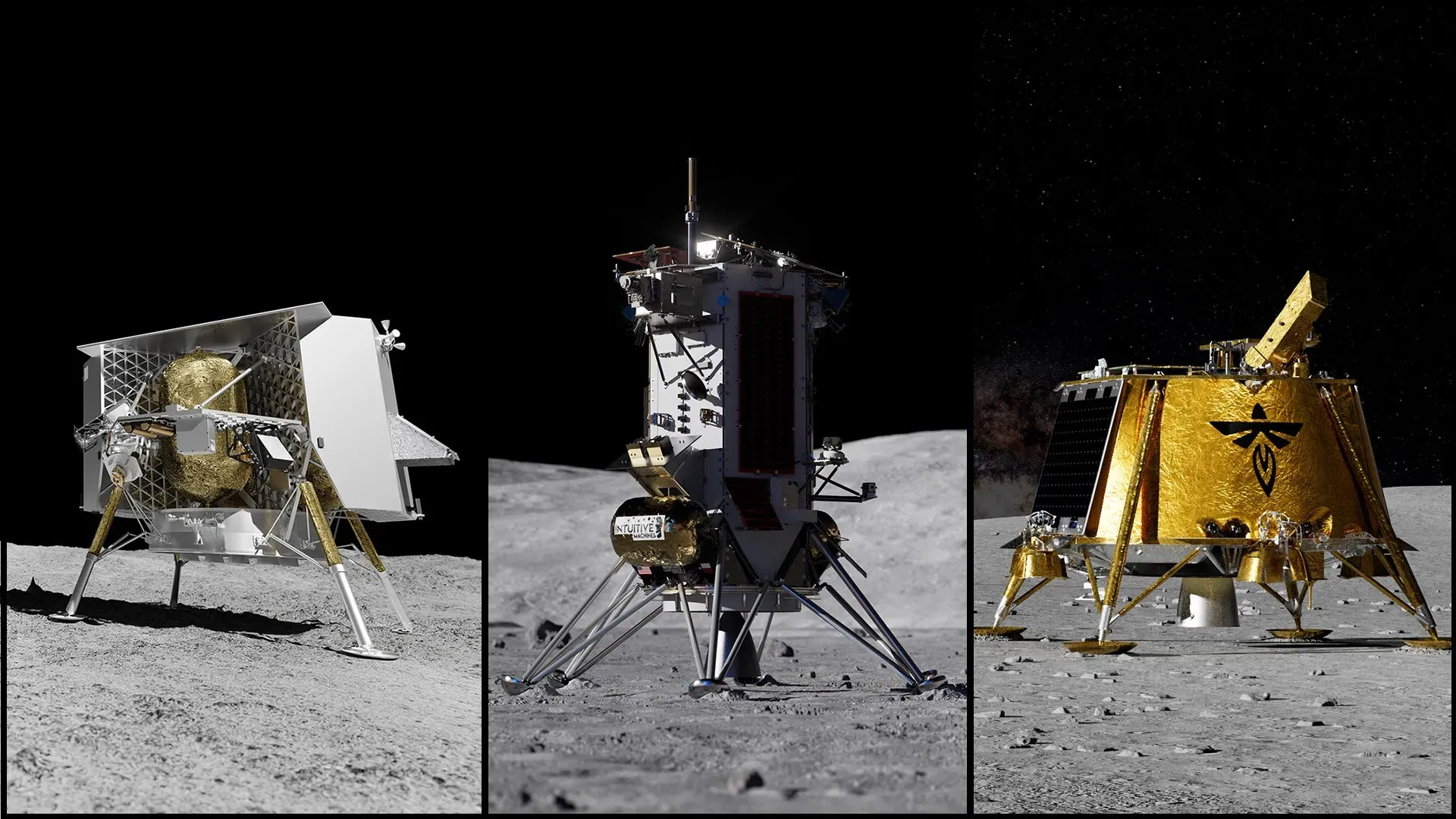
Photo: ScienceDaily
2026-07-14 18:22 Science 13


NASA Advances Lunar Exploration with Four New Missions to Support Permanent Moon Base
NASA has announced the selection of four critical lunar missions as part of its broader strategy to establish a sustainable human presence on the Moon.
These missions, funded by a $600 million investment, will focus on deploying advanced scientific instruments and infrastructure to support long-term habitation.
The projects include developing technology for navigation systems, studying lunar dust composition, mapping radiation levels, and testing new rovers and satellites.
Key partners in these efforts are Astrobotic, Firefly Aerospace, and Intuitive Machines, which will deliver payloads via the Commercial Lunar Payload Services (CLPS) initiative.
The missions aim to lay the groundwork for a permanent lunar base by 2030, with plans to conduct resource extraction experiments and test life-support systems.This initiative aligns with NASA's Artemis program goals, which seek to return humans to the Moon and establish a research outpost.
Scientists emphasize that these missions will provide crucial data on lunar conditions, enabling future exploration of Mars and other celestial bodies.
The collaboration between private companies and government agencies highlights a growing trend in space exploration, where public-private partnerships drive innovation and reduce costs.
While challenges such as radiation exposure and equipment reliability remain, the progress made by these missions represents a significant step toward humanity's long-term presence beyond Earth.
2243
Original title: NASA selects four new Moon missions to build a permanent lunar base
The AI system has determined that this news is not clickbait/sensationalist: : The original title is factual and directly reflects the article's content about NASA's lunar mission plans, without exaggerated language or sensationalism. This has coincided with the opinion of the majority of users.
You may also be interested in...
Historic Venus Mission Reveals First Surface Transmission from Another Planet
 Modern Life's Impact on Mental Health: An Evolutionary Mismatch
 Young Sauropods Could Stand Upright, Study Suggests