
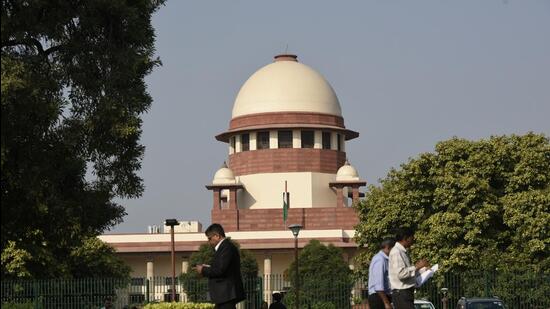
 Supreme Court Rejects Urgent Hearing on Police Action During Protests
KillBait - News highlights delivered clearly and responsibly—no clickbait, no sensationalism

Photo: The Times of India
2026-07-23 01:49 Politics 10


National Education Rights Movement Gains Momentum Following Student Protests
The article discusses the growing National Education Rights Movement in India, which has gained momentum following widespread student protests demanding better educational facilities and rights.
Students across the country have taken to the streets to highlight issues such as inadequate infrastructure, lack of resources, and the need for policy reforms.The movement has attracted support from various educational institutions, civil society organizations, and even some political leaders.
Key demands include increased funding for schools, better teacher training, and the implementation of policies that ensure equitable access to education.
The protests have also sparked debates about the role of students in shaping educational policies and the importance of grassroots movements in driving institutional change.While some view the movement as a positive step towards reform, others caution against potential disruptions to the academic calendar.
The article emphasizes the need for a balanced approach that addresses students' concerns while maintaining the integrity of the education system.Overall, the movement underscores the growing awareness among students about their rights and the power of collective action in effecting change.
Full reading at The Times of India
2189
Original title: Curbs on foreign funding not uniquely Indian, says govt, cites laws elsewhere ahead of bill to tweak FCRA
The AI system has determined that this news is not clickbait/sensationalist: : The original title is factual and directly references the movement and protests, without exaggerated language or sensationalist claims. This has coincided with the opinion of the majority of users.
You may also be interested in...
Supreme Court Rejects Urgent Hearing on Police Action During Protests
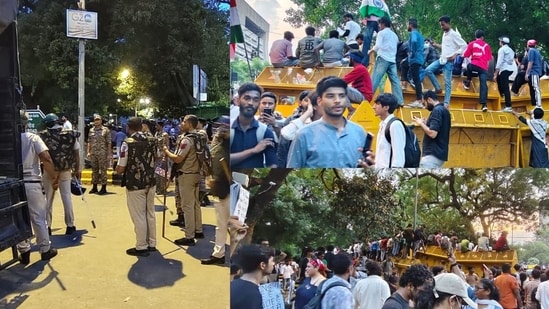 Protesters clash with police, internet suspended near Sansad Marg during CJP demonstration
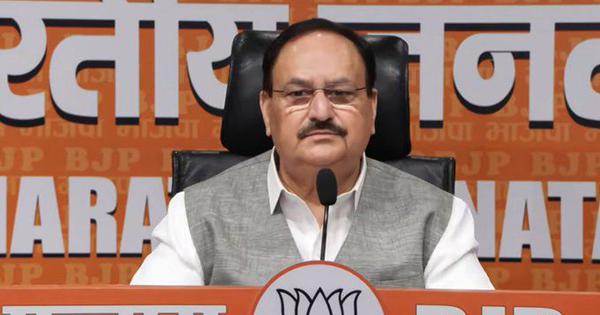 Union minister urges parliamentary debate on exam irregularities amid youth protests