
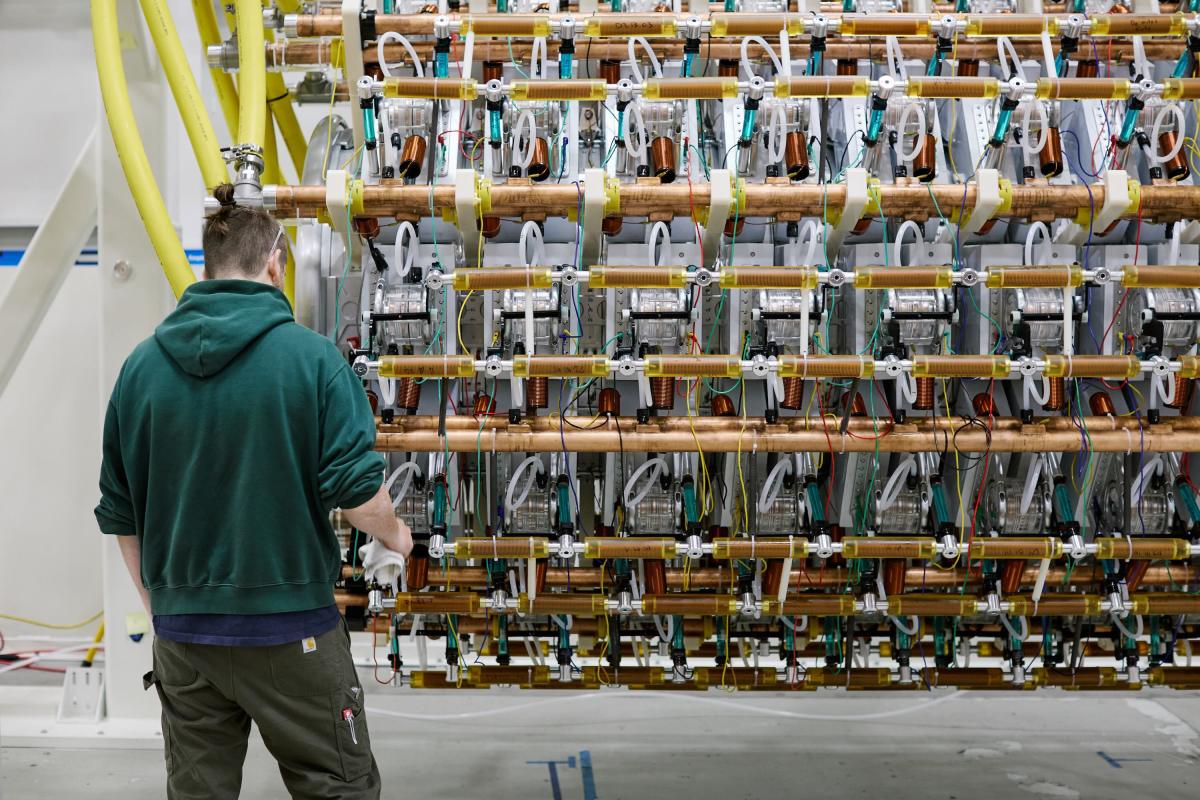
 Pacific Fusion advances pulser module prototype toward demonstration fusion power plant
KillBait - News highlights delivered clearly and responsibly—no clickbait, no sensationalism
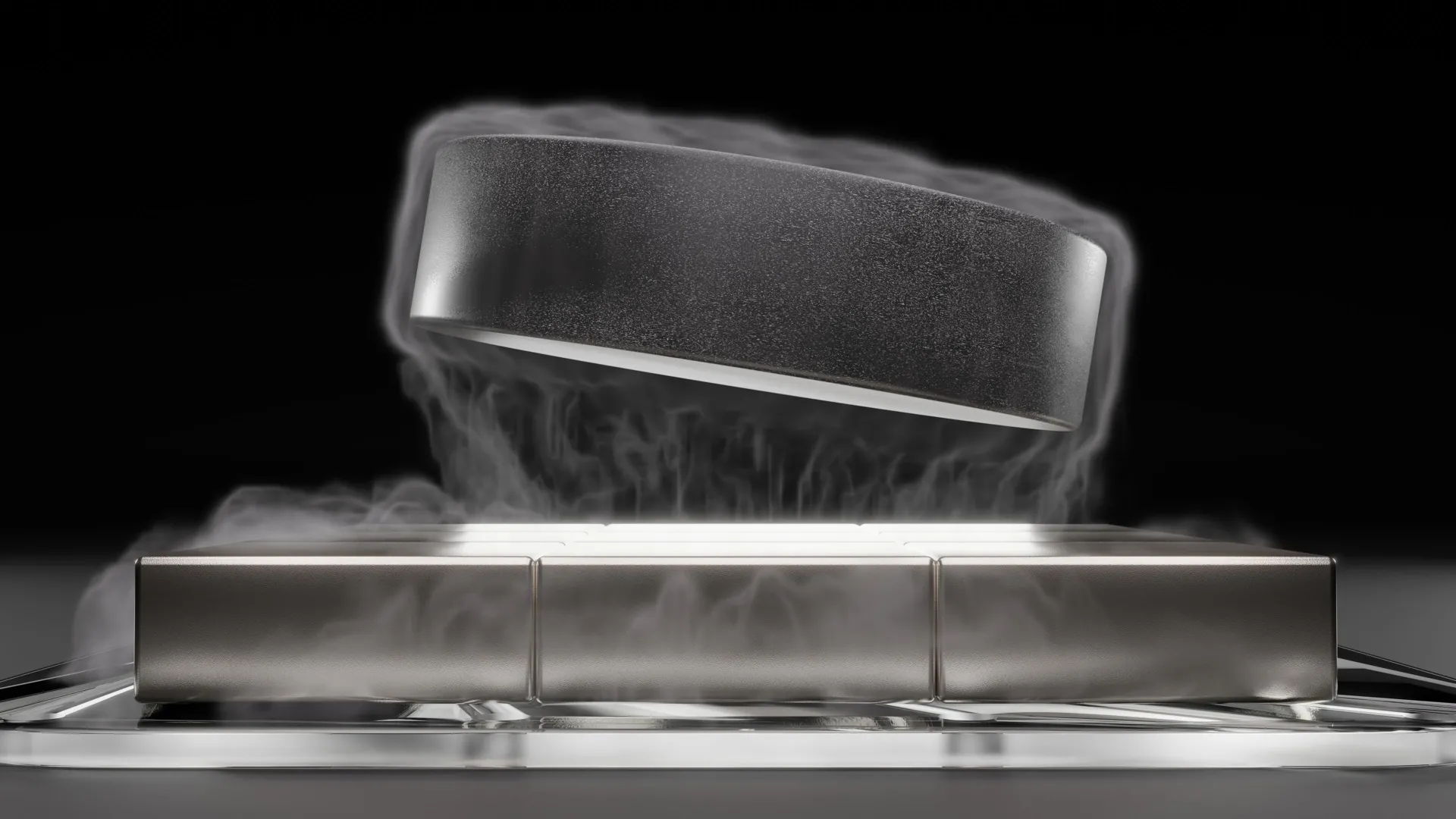
Photo: ScienceDaily
2026-05-28 14:26 Science 12 


New Superconductor Reaches 151 K at Ambient Pressure, Setting a Long-Standing Record
Researchers at the University of Houston have achieved a significant milestone in superconductivity by developing a material that operates at 151 Kelvin (−122°C) under normal atmospheric pressure.
This sets a new record for the highest superconducting transition temperature under ambient conditions, surpassing the previous benchmark of 133 K established in 1993 with a mercury-based cuprate.
Superconductors are materials that conduct electricity without resistance, eliminating energy loss as heat and offering major potential benefits for power transmission, medical imaging, quantum technologies, and advanced electronics.
The breakthrough was made by scientists from the Texas Center for Superconductivity and the university’s physics department, led by Ching-Wu Chu and Liangzi Deng.Their approach relied on a technique called pressure quenching.In this process, the material is first subjected to extremely high pressure to enhance its superconducting properties.
While still under pressure, it is cooled and then rapidly decompressed, effectively preserving the improved superconducting state even after returning to normal pressure.
This achievement is important because most high-temperature superconductors require either extremely low temperatures or high pressures, both of which limit practical applications due to cost and technical complexity.
By stabilizing superconductivity at higher temperatures without the need for sustained pressure, the new method brings researchers closer to more accessible and scalable technologies.Despite the progress, room-temperature superconductivity at ambient pressure remains a distant goal.Room temperature is approximately 300 K, meaning there is still a gap of about 140 degrees Celsius to close.
Researchers emphasize that continued collaboration across physics, chemistry, materials science, and engineering will be necessary to bridge this gap.Even so, the new record represents a meaningful step toward more efficient energy systems and advanced technological applications.
2226
Original title: Scientists break 30-year superconductivity record at normal pressure
The AI system has determined that this news is not clickbait/sensationalist: : The title is factual and accurately reflects the main achievement without exaggerated or misleading language, even though the article itself uses more dramatic phrasing. This has coincided with the opinion of the majority of users.
You may also be interested in...
Pacific Fusion advances pulser module prototype toward demonstration fusion power plant
 U.S. Air Force program advances next-generation ceramic materials for aerospace and defense applications
 Solar-Powered Desalination Produces Drinking Water and Recovers Valuable Minerals