
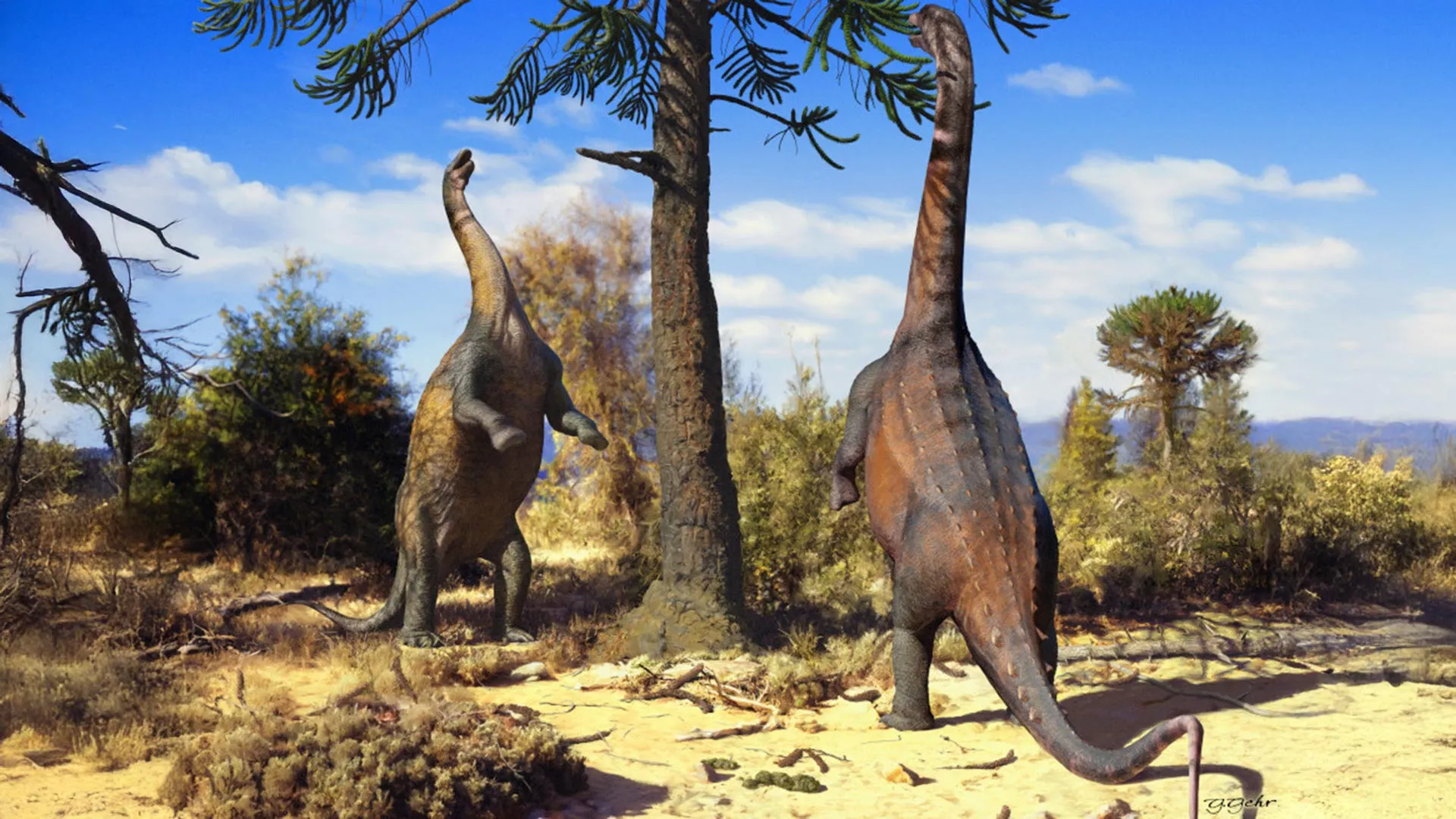
 Young Sauropods Could Stand Upright, Study Suggests
KillBait - News highlights delivered clearly and responsibly—no clickbait, no sensationalism
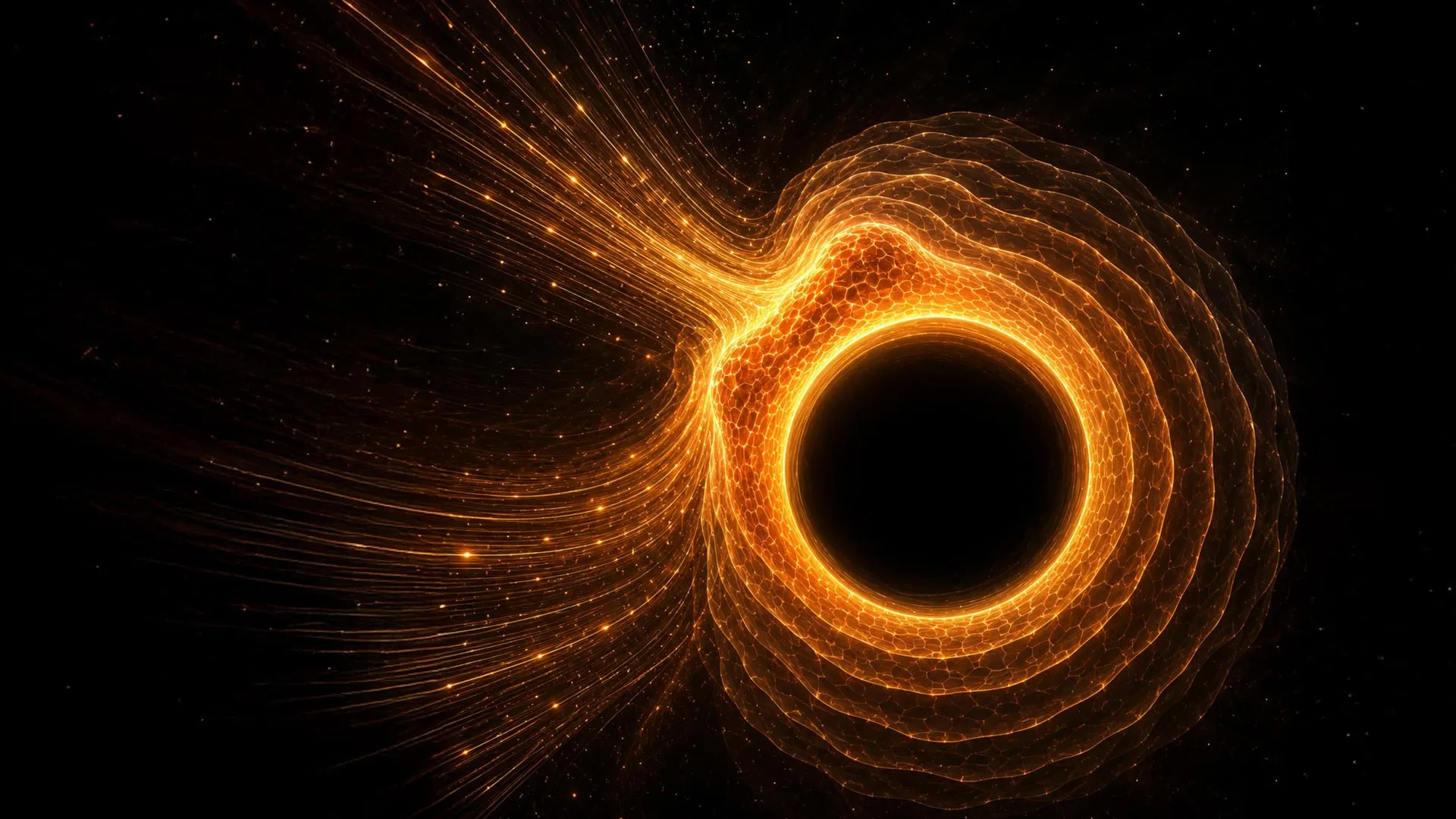
Photo: ScienceDaily
2026-07-14 06:53 Science 11


New Theory Advances Understanding of Dynamic Black Holes
Scientists have developed a groundbreaking framework that extends the laws of thermodynamics to real, evolving black holes rather than static ones.This advancement addresses limitations in Stephen Hawking's original theories by incorporating dynamic properties like spin and energy.
The research, led by Abhay Ashtekar at Penn State, introduces a new entropy measurement method tied to dynamical horizons instead of traditional event horizons.This innovation allows physicists to analyze black hole mergers, evaporation processes, and gravitational wave interactions more accurately.
By replacing static models with dynamic ones, the study opens doors for deeper insights into cosmic phenomena like dark matter detection and massive black hole collisions.
The work challenges previous assumptions about black hole behavior and could reshape astrophysical research, particularly in areas involving gravitational wave astronomy.Key collaborators include researchers from ScienceDaily, who highlighted its significance in advancing our understanding of fundamental physics.This development marks a pivotal step toward reconciling quantum mechanics with general relativity in extreme cosmic environments.
2208
Original title: Stephen Hawking's black hole laws just got a major upgrade
The AI system has determined that this news is not clickbait/sensationalist: : The original title uses 'major upgrade' to emphasize progress without hyperbole, maintaining journalistic balance while highlighting scientific breakthroughs. This has coincided with the opinion of the majority of users.
You may also be interested in...
Young Sauropods Could Stand Upright, Study Suggests
 Scientists Recreate Cosmic Dust to Study Life's Origins
 Scientists Identify Possible Causes of the Global Hum Phenomenon