
 Questions raised over allocation of Australian deportation funds within Nauru government
KillBait - News highlights delivered clearly and responsibly—no clickbait, no sensationalism
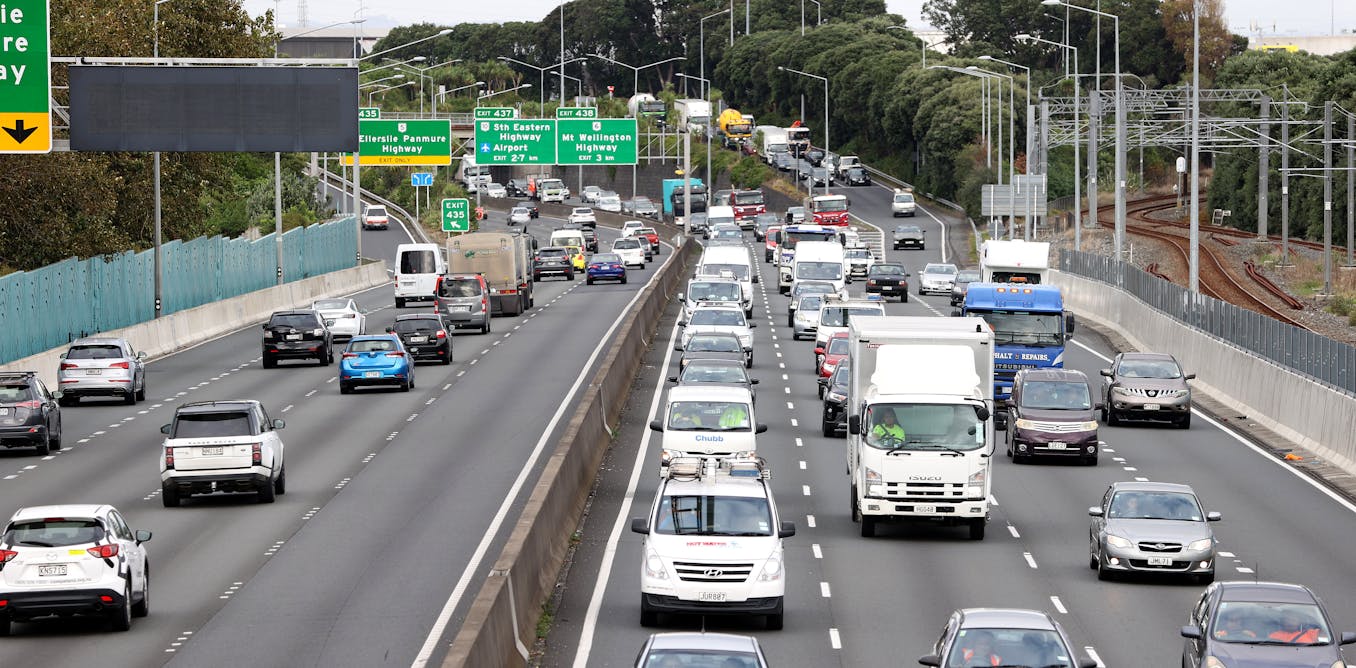
Photo: The Conversation
2026-05-29 07:07 Politics 10 


New Zealand Budget 2026 continues road-focused transport spending despite rising fuel supply risks
New Zealand’s Budget 2026 has maintained a strong emphasis on road infrastructure despite growing global fuel supply risks linked to ongoing geopolitical tensions in the Middle East.The budget allocates the bulk of new transport capital funding to highways and major road projects, including nearly NZ$1.773 billion for the Cambridge to Piarere Road of National Significance and a further NZ$400 million for state highway resilience.
Together, these commitments account for roughly three-quarters of new transport capital expenditure, reinforcing a long-standing policy focus on road expansion and maintenance.In contrast, investment in rail and active transport remains comparatively limited.
Metropolitan rail receives just over NZ$100 million for overdue renewals in Auckland and Wellington, while a larger combined allocation supports national rail freight infrastructure.However, no specific funding is directed toward walking or cycling initiatives.
Public transport users also see no fare relief or major service expansion, despite Treasury modelling suggesting fuel excise deferrals could significantly affect government revenue.
The budget also reallocates funds from existing programmes, including reductions in bus decarbonisation funding and other transport-related subsidies, redirecting money towards infrastructure reviews and other priorities.
While a modest allocation is made for fuel supply resilience, including reserves, critics argue this reflects adaptation to fossil fuel dependency rather than a transition away from it.
Broader infrastructure spending shows similar constraints, with declining forecasts for water infrastructure investment despite increasing climate-related weather damage.Treasury also flags multi-billion-dollar long-term risks associated with transport funding and infrastructure sustainability.
Overall, the budget is characterised as fiscally cautious, prioritising road networks and existing systems over structural shifts towards lower-emissions transport alternatives.
Full reading at The Conversation
2187
Original title: As global fuel risk rises, NZ Budget 2026 puts roads first -- again
The AI system has determined that this news is not clickbait/sensationalist: : The original title is factual and descriptive, summarising the main policy focus of the article without exaggerated language or sensational framing, so it does not qualify as clickbait. This has coincided with the opinion of the majority of users.
You may also be interested in...
Questions raised over allocation of Australian deportation funds within Nauru government
 Former defence minister Linda Reynolds presses ahead with AUKUS amid warnings of an 'imaginary' war
 Taxpayer-funded travel used by Hanson and Joyce to attend Gina Rinehart yacht event