
 How Shai Kaplan’s Iyengar Yoga Practice Shaped Her Recovery Journey and Inspired a Hospital Rehabilitation Program
KillBait - News highlights delivered clearly and responsibly—no clickbait, no sensationalism
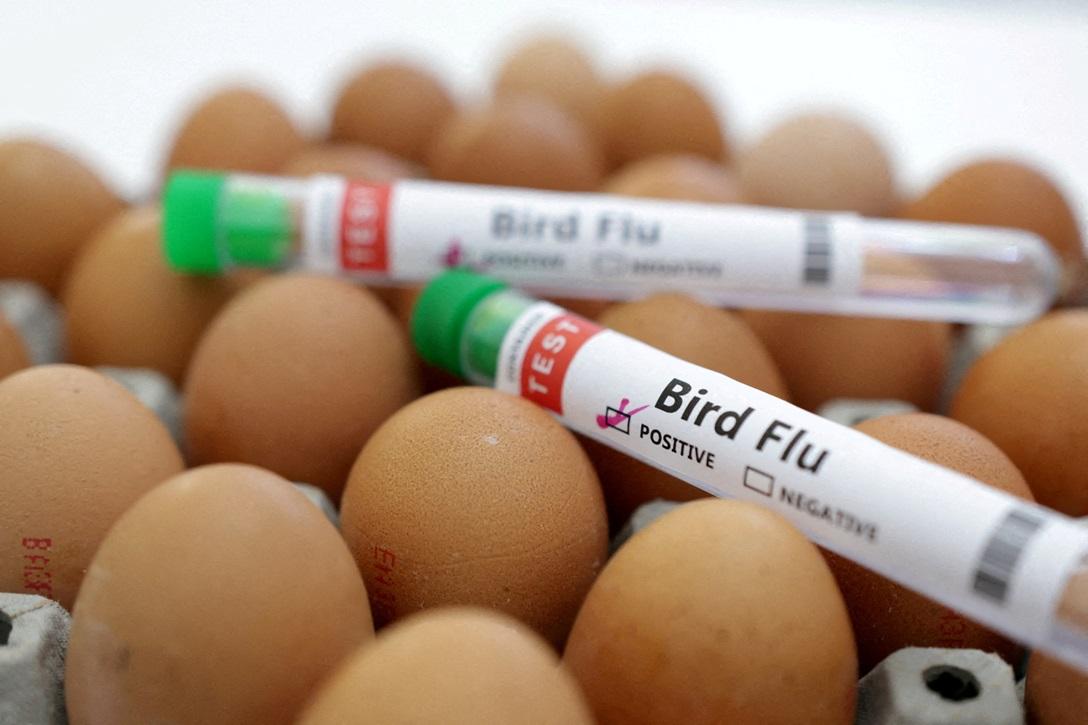
Photo: Otago Daily Times Online News
2026-06-22 18:50 Health 10 


New Zealand Poultry Industry Increases Biosecurity Measures After H5N1 Bird Flu Detected in Western Australia
New Zealand's poultry industry and government authorities are closely monitoring developments after Australia confirmed two cases of the highly pathogenic H5N1 bird flu strain in wild birds in Western Australia.The first case involved a brown skua found sick on June 14, while a second case was later identified in a northern giant petrel near the same area.No infections have been detected in Australian poultry flocks, and officials have reported no signs of widespread bird deaths.
New Zealand remains free of the H5N1 strain, although the country previously dealt with an outbreak of the H7N6 bird flu strain on an Otago chicken farm in late 2024.That outbreak resulted in the culling of an entire commercial flock and extensive testing of poultry and wild birds to prevent further spread.
Industry representatives say poultry and egg producers have spent years preparing for the possible arrival of H5N1, which has caused significant losses among poultry and wild bird populations in many countries.
The Poultry Industry Association of New Zealand and the Egg Producers Federation emphasized that farmers are maintaining strict biosecurity practices and working closely with the Ministry for Primary Industries.The poultry sector is an important part of New Zealand's economy, generating approximately NZ$1.5 billion annually from chicken meat production and NZ$500 million from eggs.Authorities are encouraging farmers, backyard bird owners, hunters, and outdoor enthusiasts to remain informed and follow biosecurity guidance.Biosecurity Minister Andrew Hoggard stated that New Zealand's geographic isolation has provided valuable time to prepare for the disease.However, officials acknowledge that migratory wild birds could eventually introduce the virus.
If H5N1 reaches New Zealand, authorities expect it could establish itself in wild bird populations, making prevention, monitoring, and rapid response measures critical.
Full reading at Otago Daily Times Online News
2191
Original title: High alert in NZ after Australia records H5N1 bird flu cases
The AI system has determined that this news is not clickbait/sensationalist: : The title accurately reflects the main event reported in the article and does not use exaggerated, misleading, or sensational language to attract clicks. This has coincided with the opinion of the majority of users.
You may also be interested in...
How Shai Kaplan’s Iyengar Yoga Practice Shaped Her Recovery Journey and Inspired a Hospital Rehabilitation Program
 Doctor Highlights Six Early Warning Signs of Diabetes and When to Seek Medical Advice
 Study suggests many people choose less effective painkillers for menstrual cramps