
 How a personal tragedy helped inspire breakthroughs in inflammation science and bioelectronic medicine
KillBait - News highlights delivered clearly and responsibly—no clickbait, no sensationalism

Photo: RNZ
2026-05-27 18:42 Health 15 


New Zealand to Introduce AI-Assisted Breast Cancer Screening in 2027
The New Zealand government has announced plans to introduce artificial intelligence technology into the national breast cancer screening program beginning in early 2027.The AI system will serve as an additional support tool for radiologists by analyzing mammograms and helping identify possible tumors.
Health Minister Simeon Brown said the technology would act as a “second set of eyes” rather than replacing medical professionals, emphasizing that all diagnoses and follow-up decisions will continue to involve qualified clinicians.The initiative follows a procurement and market assessment process carried out by Health New Zealand after a tender closed in March 2026.Officials are currently selecting a preferred AI tool for testing and validation before nationwide implementation.The technology is expected to take over one of the two independent reviews currently required in mammogram assessments.
International studies have suggested that AI-assisted screening can improve early cancer detection rates and help healthcare systems make better use of limited radiology resources.Experts have also stressed that the effectiveness of these systems depends heavily on being trained with accurate and representative medical data.
Approximately 3,400 people in New Zealand are diagnosed with breast cancer every year, while around 270,000 women aged 45 to 69 undergo screening annually through BreastScreen Aotearoa.The country is also expanding free screening eligibility up to age 74.
Brown said patient privacy would remain a top priority during the procurement process and noted that patient advocates and the Breast Cancer Foundation had been involved in discussions about data protection and access.The government believes AI could eventually support every mammogram assessment in the country to improve diagnosis speed and treatment outcomes.
2280
Original title: AI to be used in reading breast cancer scans from next year
The AI system has determined that this news is not clickbait/sensationalist: : The original title is straightforward and accurately reflects the article’s content without exaggeration, emotional language, or misleading claims. This has coincided with the opinion of the majority of users.
You may also be interested in...
How a personal tragedy helped inspire breakthroughs in inflammation science and bioelectronic medicine
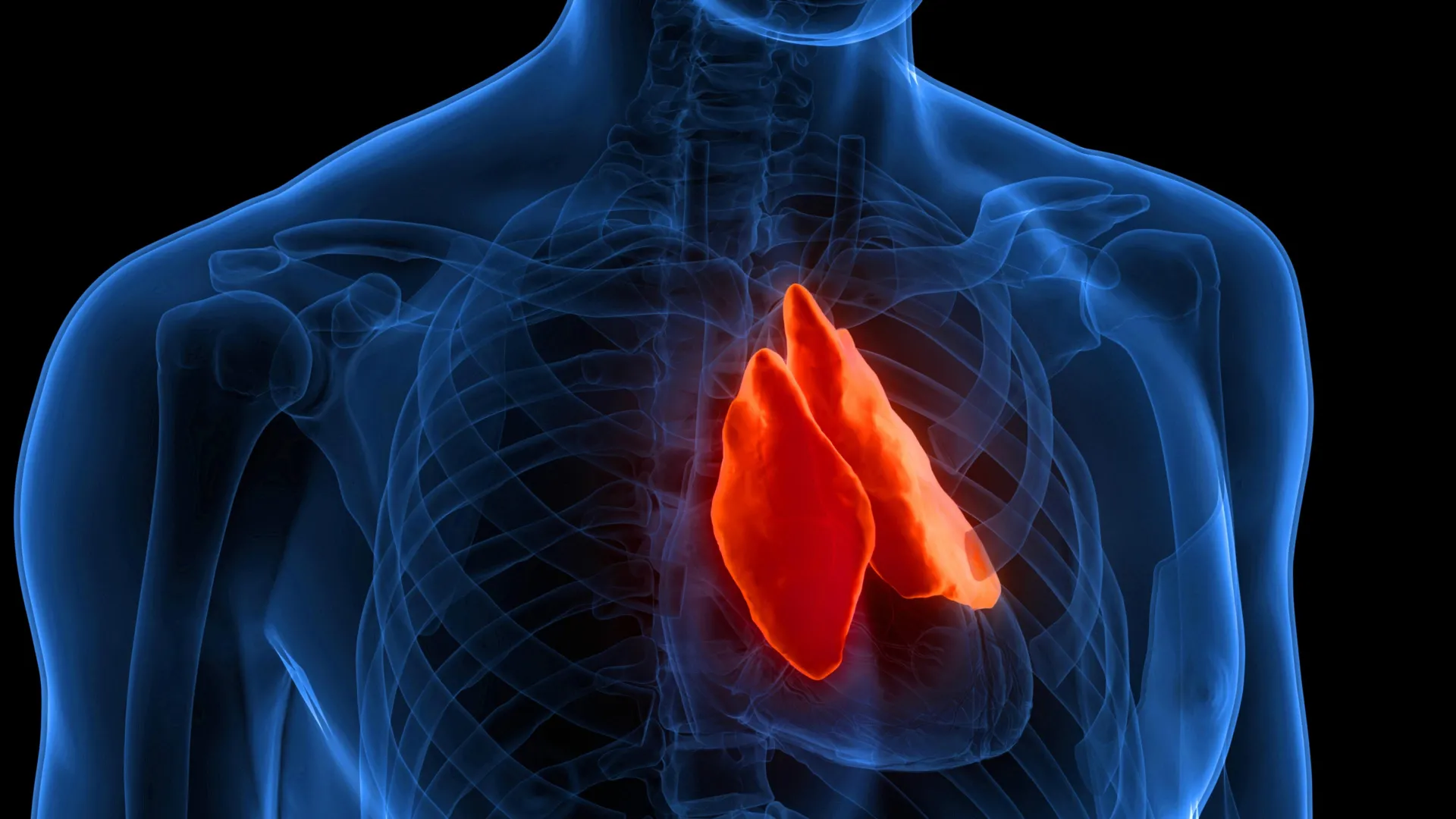 Studies Link Adult Thymus Health to Longevity, Disease Risk, and Cancer Immunotherapy Outcomes
 Study finds melanoma metastasis peaks in middle age due to immune system changes