
 Study Finds Structured Yoga Program May Improve Sleep, Fatigue, and Mood in Cancer Survivors
KillBait - News highlights delivered clearly and responsibly—no clickbait, no sensationalism

Photo: NEOS KOSMOS
2026-05-28 19:21 Health 13 


NF1 research breakthrough sparks hope for simple, affordable therapies
Zoe Petropoulos, a 25-year-old teacher’s aide from Australia, has spent years fundraising for neurofibromatosis (NF) research through the Flicker of Hope Foundation.
Her family’s efforts, totaling over $4 million across global projects, have coincided with a significant discovery at Melbourne’s The Florey Institute of Neuroscience and Mental Health.
Researchers identified notable differences in the gut microbiome of NF1-model mice, a finding that could influence cognitive and behavioral symptoms associated with NF, including autism and ADHD.
Lead researcher Sonali Reisinger and team leader Anthony Hannan stated that future therapies might be as simple as dietary adjustments or probiotic treatments, which would be inexpensive and easy to administer.The team aims to validate these observations in humans through clinical trials, hoping to replicate similar gut-brain connections in people with NF1.
The breakthrough offers a potential new avenue for non-invasive treatments that could complement existing approaches and improve quality of life for those affected by NF1-related cognitive and behavioral challenges.
2243
Original title: Zoe Petropoulos hopeful following breakthrough in neurofibromatosis research
The AI system has determined that this news is not clickbait/sensationalist: : The original headline is informative but could be perceived as hopeful and slightly sensational; the summary reframes it into a precise, non-sensational description of the discovery and its potential implications. This has coincided with the opinion of the majority of users.
You may also be interested in...
Study Finds Structured Yoga Program May Improve Sleep, Fatigue, and Mood in Cancer Survivors
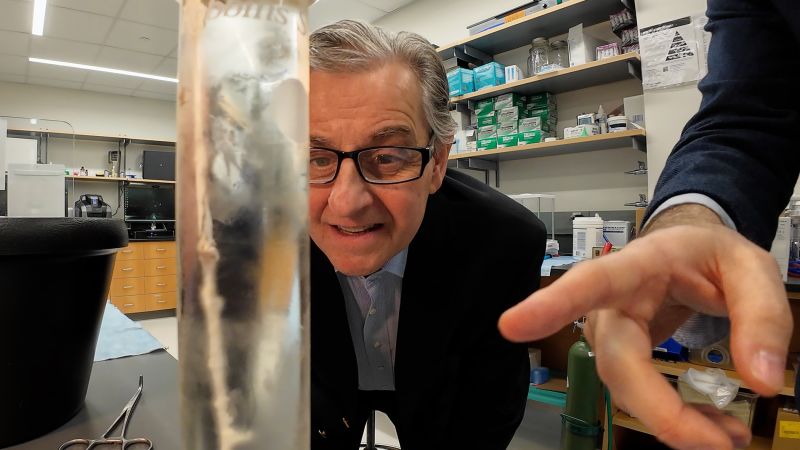 How a personal tragedy helped inspire breakthroughs in inflammation science and bioelectronic medicine
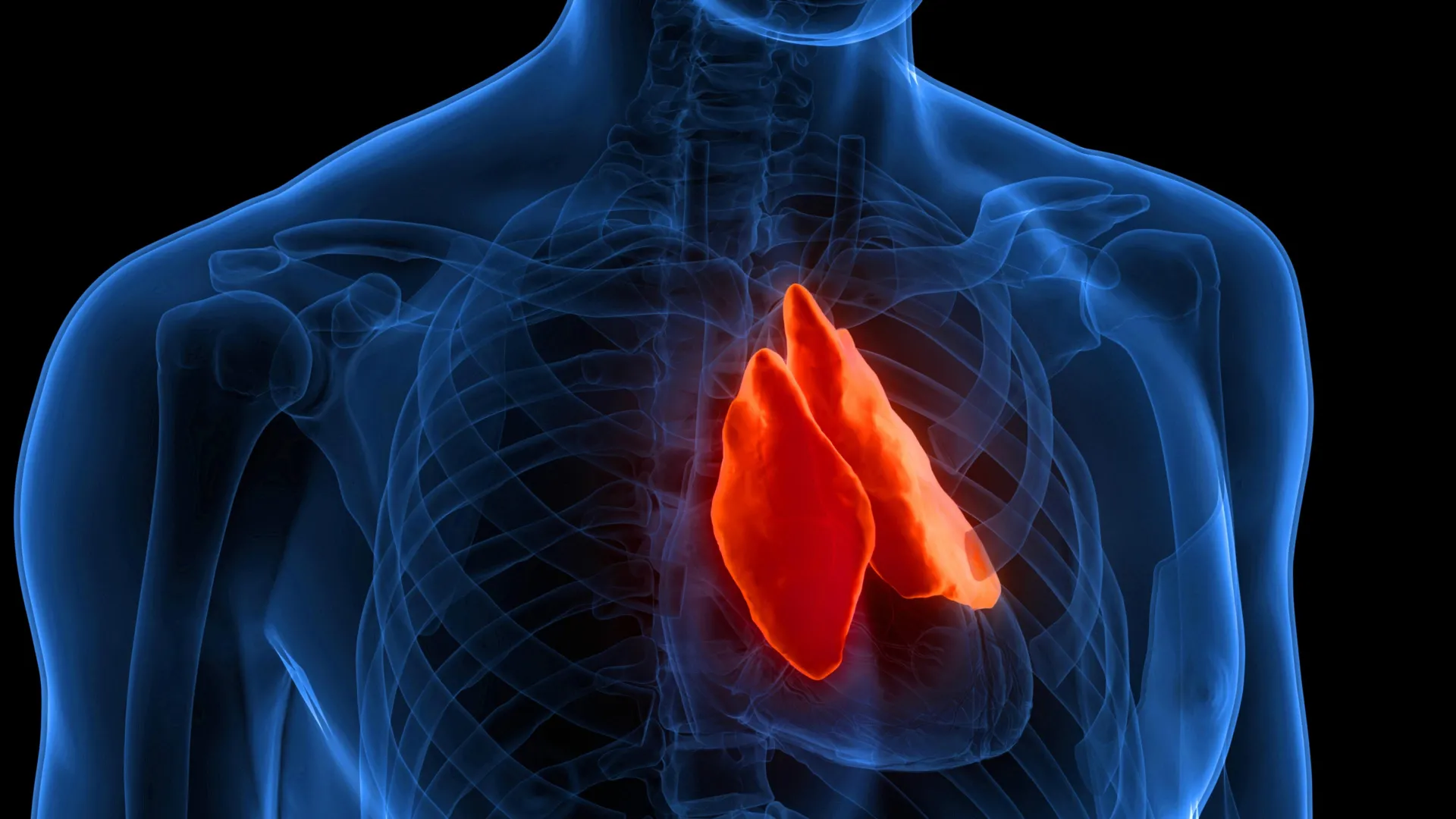 Studies Link Adult Thymus Health to Longevity, Disease Risk, and Cancer Immunotherapy Outcomes