
 Strong Institutions, Not Short-Term Fixes, Are Key to Africa's Long-Term Development
KillBait - News highlights delivered clearly and responsibly—no clickbait, no sensationalism
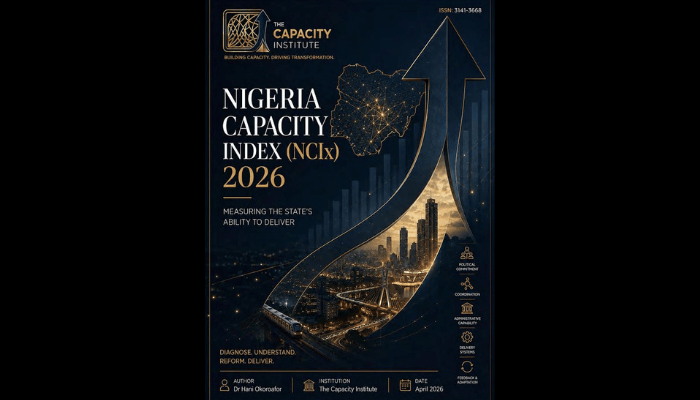
Photo: Businessday NG
2026-07-21 10:48 Opinion 10


Nigeria Capacity Index 2026 Says Stronger Institutions and Better Coordination Are Key to National Development
This opinion article argues that Nigeria's long-standing development challenges cannot be fully explained by common indicators like GDP, inflation, debt levels or oil production alone.Instead, Dr Hani Okoroafor introduces the Nigeria Capacity Index 2026, which gives the country an overall score of 54.2 and focuses on measuring the institutional capacity needed to turn policies and ambitions into real results.
According to the writer, the score should not be seen as a pass or fail mark, but as a diagnostic tool that helps identify where Nigeria's public institutions are strong and where they need improvement.
The article explains that Nigeria has enormous human talent, natural resources and economic potential, yet often struggles to translate these advantages into consistent national performance because institutions responsible for execution and coordination remain weak.
While political commitment and administrative expertise exist across different levels of government, the biggest challenge lies in poor coordination among ministries, agencies and other stakeholders during policy implementation.The writer argues that many reforms fail not because they are badly designed, but because institutions do not work together effectively.
Drawing examples from countries like Rwanda and Vietnam, the article says sustained national progress comes from building capable institutions over time rather than relying on natural advantages alone.
It further notes that stronger institutional capacity can improve public service delivery, attract more investment, strengthen policy implementation and make reforms more sustainable.
The author concludes that the Nigeria Capacity Index should serve as a baseline for continuous institutional improvement and encourage Nigeria to measure not only economic outcomes but also the strength of the systems that produce those outcomes.
Full reading at Businessday NG
2189
Original title: Measuring what matters: Why Nigeria scores 54.2
The AI system has determined that this news is not clickbait/sensationalist: : The original headline no dey sensational or misleading. E clearly reflects the main argument of the article, which na to explain the meaning of Nigeria's Capacity Index score of 54.2 and why institutional capacity matters for national development. This has coincided with the opinion of the majority of users.
You may also be interested in...
Strong Institutions, Not Short-Term Fixes, Are Key to Africa's Long-Term Development
 Decisions Shape Your Destiny
 Cassava Technologies Boosts Africa's Cloud Resilience with Microsoft Azure in Johannesburg